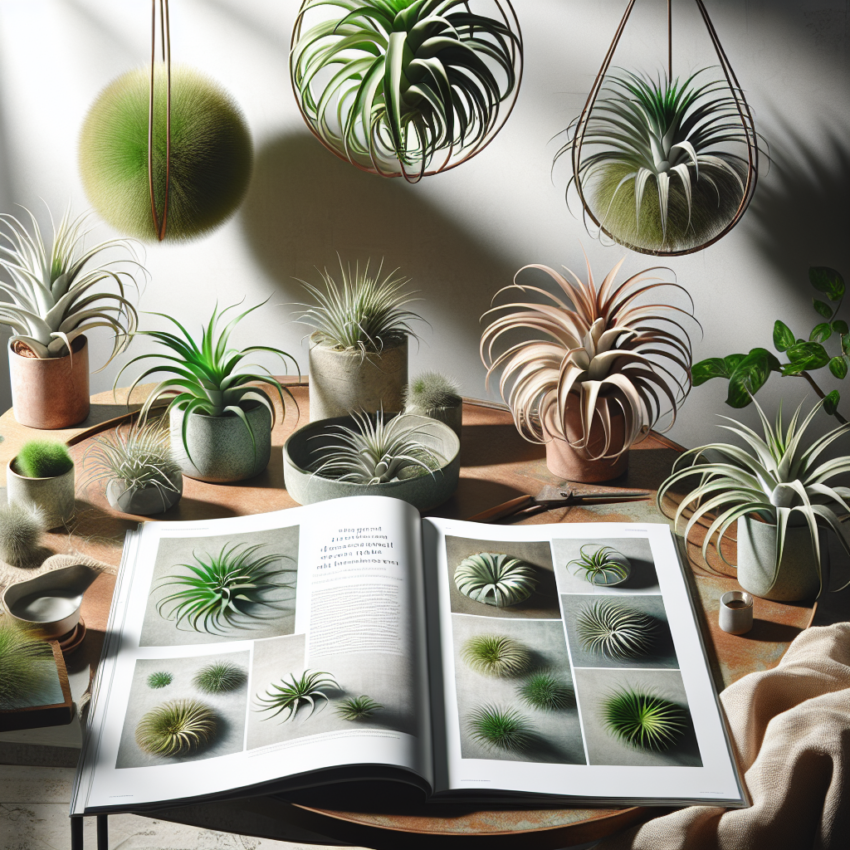
Air plants, also known as Tillandsia, are remarkable green companions that can effortlessly transform your living space with minimal effort. These unique plants do not require soil to grow, making them an ideal choice for those looking to add a touch of greenery to their home with ease. In this guide, we will explore everything you need to know about air plants, from their care and benefits to creative ways to use them in your interior design.
Understanding Air Plants
Air plants belong to the Bromeliaceae family and are native to the forest, mountain, and desert regions of Central and South America. Their ability to thrive without soil is due to their unique structure, which allows them to absorb moisture and nutrients through their leaves. This makes them versatile and adaptable, suitable for a variety of environments. Perfect for both novice and expert plant enthusiasts, air plants can be displayed in numerous creative ways, enhancing the aesthetic appeal of any space.
How to Care for Air Plants
Caring for air plants is relatively simple, as they are considered low-maintenance plants. Here are a few tips to ensure your air plants remain healthy and vibrant:
- Light: Air plants thrive in bright, indirect light. A well-lit room with filtered sunlight is ideal. Avoid direct sunlight, which can scorch their leaves.
- Water: Air plants should be watered once a week. Submersion in water for 20-30 minutes every week is recommended, with the exception of high-humidity environments where misting may suffice.
- Air Circulation: Good air circulation is vital. Ensure they dry completely within four hours of watering to prevent rot.
- Temperature: These resilient plants prefer temperatures between 50 to 90°F, making them suitable for indoor environments.
Benefits of Incorporating Air Plants in Your Home
Air plants offer numerous benefits that go beyond their aesthetic appeal. Here are some reasons why you should consider adding them to your home decor:
- Air Purification: Like other plants, air plants can help improve indoor air quality by removing pollutants and increasing oxygen levels.
- Stress Reduction: The presence of greenery has been shown to reduce stress and enhance mood.
- Versatility and Creativity: With their unique growing requirements, air plants can be displayed in various creative ways, from hanging planters to mounted displays.
Creative Ways to Decorate with Air Plants
Thanks to their versatility, air plants can be incorporated into your home decor in countless creative ways. Here are a few ideas to inspire you:
- Wall Displays: Mount air plants on pieces of driftwood or cork bark and hang them on your walls for a striking natural display.
- Terrariums: Place air plants in glass terrariums, combined with stones or shells for an eye-catching centerpiece.
- Tabletop Arrangements: Use decorative bowls or shallow dishes to create arrangements that can be placed on tables or shelves.
- Hanging Ornaments: Use clear fishing line to hang air plants around your home, creating a floating effect.
For more design inspiration, you can discover how to decorate your home with vintage maps, a complementary trend that pairs well with the organic feel of air plants.
Air Plants: Perfect for All Spaces
Whether you’re a seasoned plant lover or new to greenery, air plants are an excellent choice for transforming your living space. Their low-maintenance nature and striking appearance make them a wonderful addition to any home. To learn more about the broader context of plant benefits, check this information from the World Health Organization.
From improving air quality to enhancing your home decor, air plants prove to be a wonderful addition to any interior setting.
- Air plants are easy to care for, requiring minimal maintenance.
- Their versatility allows for creative displays in any space.
- Air plants contribute to enhanced air quality and stress reduction.
- They thrive in bright, indirect light and need regular watering.
- Perfect for adding a touch of nature to your home.
Do air plants require soil to grow?
No, air plants do not require soil. They absorb water and nutrients through their leaves.
How often should I water my air plants?
Generally, air plants should be watered once a week by submersion or misting, depending on the humidity level of your environment.
Can air plants improve the air quality in my home?
Yes, like other plants, air plants can help improve indoor air quality by filtering pollutants.
Where is the best location for air plants in my home?
Air plants thrive in bright, indirect light conditions, so placing them near windows with filtered sunlight is ideal.
Are air plants suitable for outdoor use?
Air plants can be used outdoors in mild climates but should be protected from direct sunlight, extreme temperatures, and heavy rain.