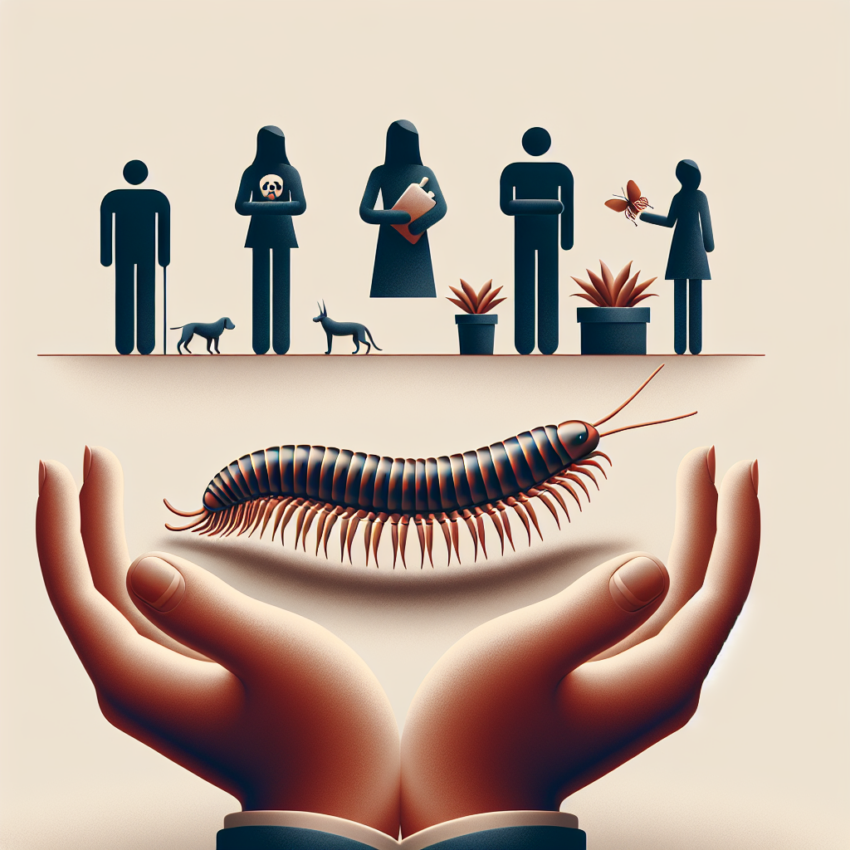
When encountering a many-legged creature like a centipede in your home or garden, it’s natural to wonder, are centipedes dangerous to humans and pets? While centipedes may appear intimidating with their elongated bodies and numerous legs, understanding their behavior and characteristics will shed light on whether they pose a risk to our health.
Are Centipedes Dangerous?
Centipedes are arthropods belonging to the class Chilopoda. They are known for their distinctive appearance, with some species possessing up to 177 pairs of legs. These creatures are primarily nocturnal and thrive in moist environments such as soil, leaf litter, or under rocks and logs.
The question of whether centipedes are dangerous largely depends on the species and the context of interaction with humans or pets. Some larger species possess venom, which they use to subdue their prey. However, the likelihood of these centipedes posing a significant threat is generally low.
Centipede Bites: What to Expect
While centipedes do possess venom capable of causing a reaction in their prey, most centipede bites result in mild symptoms for humans. Common reactions include localized pain, redness, and swelling, similar to a bee sting. These symptoms typically resolve within a few hours to a couple of days.
It is essential to note that there are certain species, like the Amazonian giant centipede, which can deliver a more potent venom. However, encounters with such species outside their natural habitats are rare.
Risks to Pets
Regarding pets, the risks are relatively minimal. A curious dog or cat might experience a localized sting if they attempt to interact with a centipede. Observing typical reactions such as swelling or irritation is the most you might expect; however, it’s always wise to monitor your pet for any unusual behavior following such encounters.
Prevention and Safe Removal
If you’re uncomfortable with centipedes in your home, several methods can reduce their presence. Keeping areas dry and well-ventilated is crucial, as centipedes prefer moist environments. Sealing cracks and ensuring that doors and windows fit well can also deter their entry.
In the spirit of responsible pest management, it’s beneficial to know more about neuroplasticity and humane approaches, which can transform our understanding of how we interact with other species.
Are Centipedes Dangerous in the Long View?
Overall, while the question are centipedes dangerous might instigate potential concerns for households with children or pets, the real-world risks they pose are minimal compared to their ecological benefits. Centipedes serve an essential role in controlling pest populations, often preying on insects that damage crops or spread disease.
- Centipede bites are typically mild and don’t pose significant danger.
- Their presence can be managed by reducing moisture and sealing entry points.
- Most risks to pets are minor and localized.
- They contribute positively to ecosystems by controlling pests.
- For further reading, check out this detailed article on Wikipedia.
FAQ
What should I do if I’m bitten by a centipede?
If bitten by a centipede, clean the bite area with soap and water. Apply a cold compress to reduce swelling. If symptoms persist or worsen, consult a healthcare provider.
Can centipedes cause allergic reactions?
Allergic reactions to centipede bites are rare. However, individuals with sensitive skin or specific allergies should monitor for any adverse reactions and seek medical advice if necessary.
How can I keep centipedes out of my home?
To deter centipedes, maintain a dry environment, seal entry points, and remove debris and clutter where they might hide. Regular pest control assessments can also help.
Are centipedes beneficial in gardens?
Yes, centipedes are beneficial in gardens as they control pest populations. They feed on soil-dwelling and plant-damaging insects, maintaining ecological balance.
Do centipedes pose more risk to children than adults?
Centipedes do not pose a significantly greater risk to children than adults. However, children may overreact due to fear, so educating them on what to expect can be helpful.