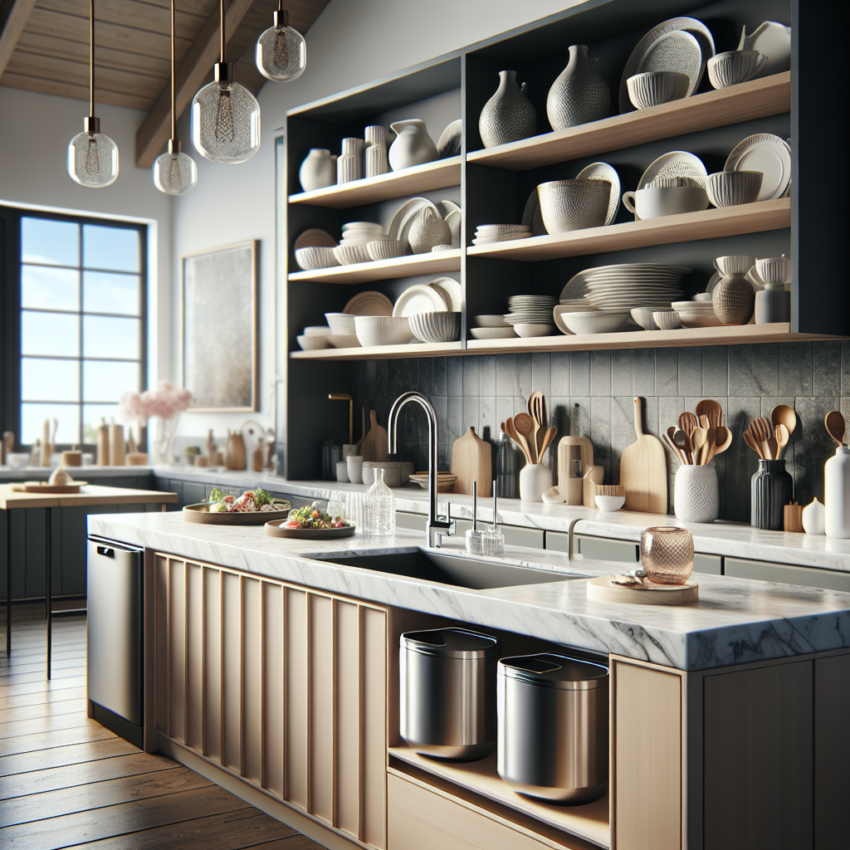
When considering kitchen improvements, many homeowners ponder whether disposal garbage disposals are worth the investment. These handy devices can make meal prep and cleanup more efficient by grinding food waste and preventing plumbing clogs. But are they truly beneficial for every kitchen? Let’s explore the pros and cons of installing a garbage disposal in your home.
Benefits of Disposal Garbage Disposals
Garbage disposals offer several advantages that may enhance the functionality of your kitchen. One primary benefit is convenience. With a garbage disposal, food scraps can be easily ground up and washed away, reducing the need for frequent trips to the trash can and minimizing unpleasant odors in the kitchen. Furthermore, by reducing the amount of organic waste that ends up in landfills, garbage disposals can be an eco-friendly option.
Another notable advantage is the potential for fewer plumbing issues. Garbage disposals help break down food particles, preventing them from forming clogs in the pipes. This can lead to fewer plumbing repairs and maintenance calls over time. For those interested in sustainable home improvements, consider exploring upcycled technologies that align with your environmental goals.
Are Disposal Garbage Disposals Cost-Effective?
While the initial cost of purchasing and installing a garbage disposal can vary, it’s essential to consider the long-term savings they might provide. Disposals can reduce plumbing repair expenses by preventing clogs and blockages. Additionally, more efficient food waste management might decrease your household’s overall garbage collection costs.
When selecting a garbage disposal, it’s crucial to weigh factors like durability, power, and noise level against cost. Higher-end models may offer enhanced features and longer lifespans, justifying a higher price tag.
Potential Drawbacks of Garbage Disposals
Despite their benefits, garbage disposals may not be suitable for every kitchen. Some households might find the humming motors slightly noisy, although newer models have made significant strides in reducing noise output. Moreover, while garbage disposals effectively handle many food scraps, they aren’t designed for fibrous foods, large bones, or grease, which can still pose plumbing risks.
Homeowners should also consider energy consumption when evaluating garbage disposals. Despite being generally energy-efficient, every appliance adds to the home’s energy footprint. For a comprehensive view on conservational practices, explore resources like the Wikipedia Health page.
Maintaining Your Garbage Disposal for Longevity
Proper maintenance is key to ensuring your garbage disposal runs smoothly for years. Regularly grinding ice cubes can help clean the blades, while occasional flushing with vinegar and baking soda can reduce odors and prevent buildup. Additionally, always run water when operating the disposal to help ensure all particles are washed away.
It’s important to refrain from putting non-food items, fibrous vegetables, or excessive amounts of starches, which can lead to stubborn clogs. Educating household members on proper disposal use can extend the appliance’s lifespan and preserve its efficiency.
Conclusion: Are Disposal Garbage Disposals Right for You?
Ultimately, the decision to install a garbage disposal depends on your kitchen needs and environmental priorities. With their convenience and potential cost savings, disposal garbage disposals can be a valuable addition to many kitchens. Considering both the benefits and limitations will help you make a well-informed choice as you evaluate this investment for your home.
- Garbage disposals provide convenience and reduce kitchen waste.
- They may lower plumbing maintenance costs.
- It’s key to consider noise, cost, and energy use.
- Proper maintenance ensures longevity.
- Evaluate your kitchen’s needs before investing.
What are the benefits of having a garbage disposal?
Garbage disposals offer convenience by reducing food waste and mitigating potential plumbing issues by preventing clogs.
Are garbage disposals expensive to install and maintain?
The cost can vary, but they often lead to savings on plumbing repairs. Routine maintenance is less demanding than frequent plumbing fixes.
What should not be put in a garbage disposal?
Avoid placing fibrous foods, large bones, and grease into the disposal to prevent potential clogs and damage.
Do garbage disposals consume a lot of energy?
Garbage disposals are generally energy-efficient, but like any appliance, they do contribute to household energy use.
Can a garbage disposal help the environment?
By processing food waste to reduce landfill contributions, garbage disposals can be part of an environmentally conscious household strategy.