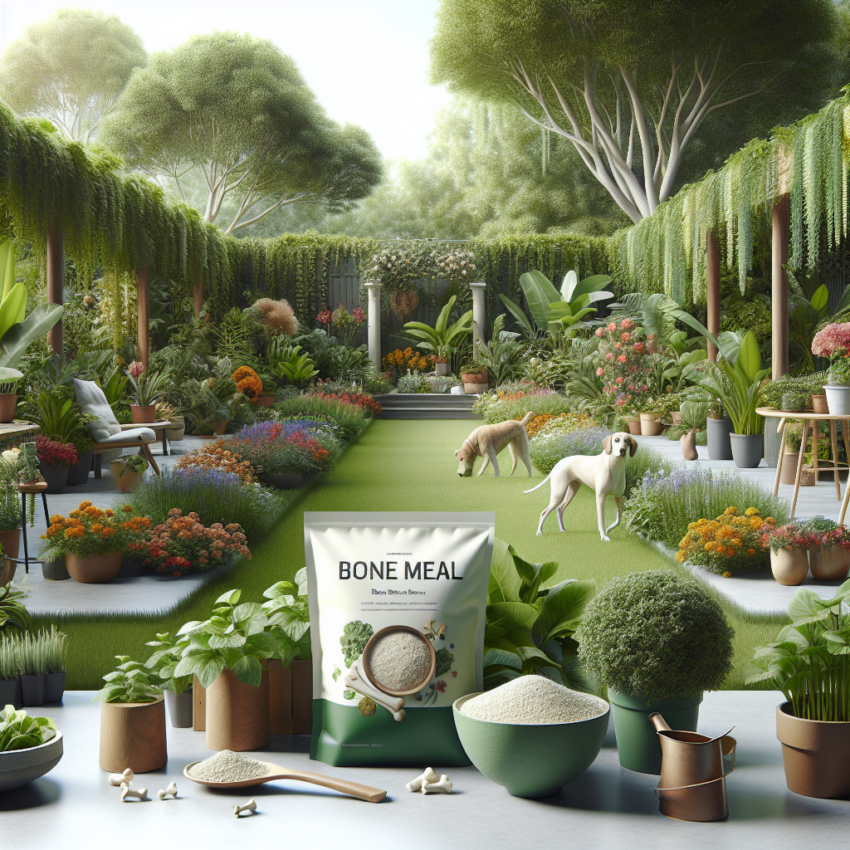
Bone meal is a fantastic organic fertilizer composed of ground animal bones high in phosphorus and calcium. Gardeners often use bone meal to support vigorous plant growth and abundant blooms. If you’re aiming to boost your garden’s health naturally, understanding the benefits of bone meal can be your first step towards achieving vibrant results. In this article, we will explore its uses, advantages, and how you can incorporate it into your gardening routine for optimal results.
What is Bone Meal?
Bone meal is an organic fertilizer providing essential nutrients such as phosphorus and calcium. These nutrients are crucial for root health and promoting strong, healthy flowers and fruits. By adding bone meal to your soil, you ensure your plants receive the necessary support for robust growth.
Benefits of Using Bone Meal
There are several benefits of incorporating bone meal into your garden:
- Improves Root Development: The phosphorus found in bone meal encourages strong root growth. This is essential for young plants that need to establish themselves in new soil.
- Boosts Flowering: Plants with ample phosphorus produce more colorful and larger blooms, making bone meal an excellent choice for flowering plants.
- Enhances Fruit Production: Phosphorus is crucial for fruiting plants, helping them bear more fruit and improve yields.
- Enriches Soil with Calcium: Calcium supports cell wall development in plants, contributing to overall strength and vitality. It is also vital for nutrient uptake and preventing common plant disorders such as blossom end rot in tomatoes.
Application of Bone Meal
Using bone meal is simple and can be done during the planting phase. It’s most effective when mixed into the soil at the base of bulbs, seedlings, or established plants. This allows the nutrients to be readily available as the plants grow.
The application rate depends on the type of plants and existing soil fertility. Generally, a tablespoon mixed into the planting hole or side-dressed around existing plants is sufficient. For potted plants, bone meal can be added to the potting mix to provide a steady release of nutrients.
How Often Should You Apply Bone Meal?
Bone meal is a slow-release fertilizer, meaning it breaks down gradually over time. This slow release provides a steady supply of nutrients without the risk of over-fertilization. For most plants, applying bone meal once a year is sufficient. It may take several months for bone meal to break down entirely, so patience is key when using this natural fertilizer.
Considerations When Using Bone Meal
Before using bone meal, it’s essential to test your soil. This will help you determine the current nutrient levels and adjust your application accordingly to avoid excess phosphorus, which can lead to nutrient imbalances.
Bone meal works best in soils with a pH below 7, as alkaline soils can hinder phosphorus absorption. If your soil is alkaline, consider using sulfur or other acidifying agents to lower the pH for better nutrient uptake.
Maximizing Bone Meal Benefits in Your Garden
Integrating bone meal into your gardening routine can be done in conjunction with other organic fertilizers to provide a balanced nutrient profile. Pairing bone meal with compost or blood meal can enhance its benefits and cater to various plant requirements.
Experiment with different combinations and observe how your plants respond. For more ideas on enhancing growth in your garden, check out this article on the benefits of peptides.
Environmental Impact and Sustainability
Bone meal is a byproduct of the meat industry, making it a sustainable option for those looking to minimize waste. By using bone meal in your garden, you’re contributing to resource conservation and supporting environmentally friendly practices.
Moreover, because bone meal releases nutrients slowly, there is minimal risk of nutrient leaching into waterways, making it a cleaner alternative to synthetic fertilizers.
Bone meal remains a favorite among gardeners for its natural ability to fortify soil and encourage plant growth. Whether you’re nurturing roses, tomatoes, or tulips, bone meal offers an organic solution to help you achieve a lush, productive garden. Explore further to understand how this fertilizer fits into your gardening goals and long-term sustainability efforts. For more in-depth information on health-related topics and further gardening insights, visit this external source.
- Bone meal is an effective organic fertilizer rich in phosphorus and calcium.
- It supports root growth, flowering, and fruit production.
- Application is best during planting and should be tailored based on soil needs.
- Bone meal is a sustainable gardening choice, minimizing environmental impacts.
FAQs
What plants benefit the most from bone meal?
Flowering plants, fruiting plants, and bulbs benefit significantly from the added phosphorus and calcium provided by bone meal, leading to stronger blooms and fruit production.
Can bone meal be used for all soil types?
Bone meal works best in acidic to neutral soils. Alkaline soils can hinder phosphorus absorption, so it may require a pH adjustment for optimal results.
How do I apply bone meal correctly?
Mix bone meal into the soil at planting time or apply it as a side dressing around existing plants. Follow package instructions for specific dosage recommendations based on plant type and soil fertility.
Is bone meal safe for pets?
While bone meal is generally safe for gardens, it can be harmful if ingested in large quantities by pets. It’s best to keep pets away from areas where bone meal has been applied or thoroughly mix it into the soil.
How can I determine if my soil needs bone meal?
A soil test is recommended before applying bone meal to assess current nutrient levels and avoid over-application, especially since excess phosphorus can disrupt nutrient balances.