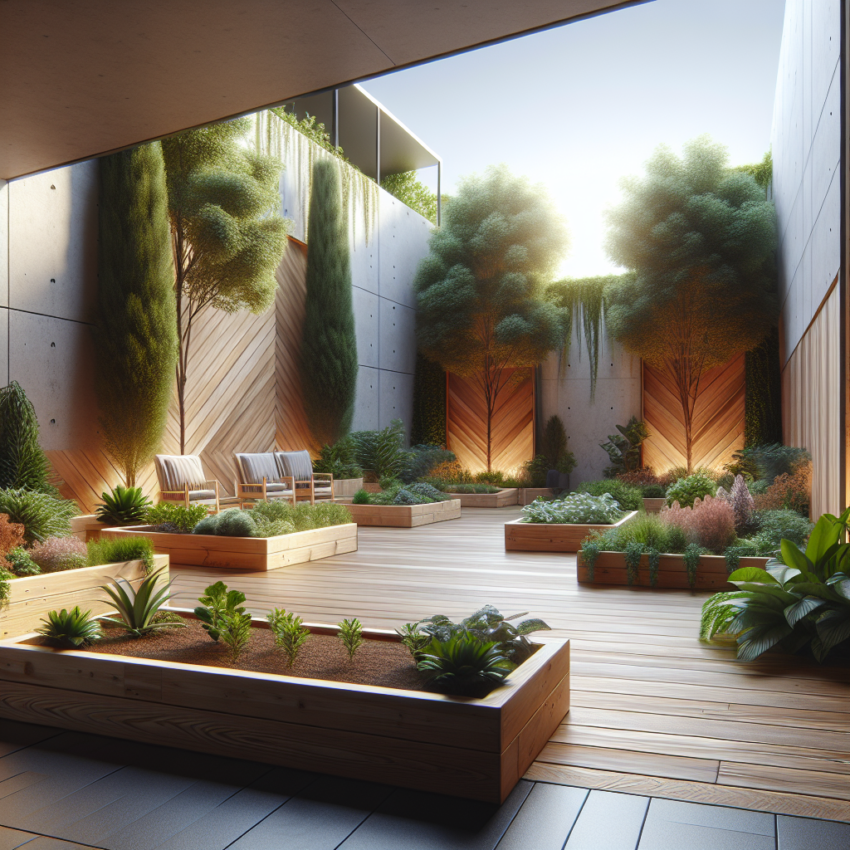
Are you searching for creative and practical ideas for raised bed gardening? Raised beds are a popular choice for gardeners seeking to maximize space, improve soil quality, and add visual interest to their outdoor area. This article explores various innovative solutions to enhance your garden with raised beds, catering to different styles and needs.
Innovative Ideas for Raised Bed Gardening
Raised bed gardening offers numerous advantages, including improved soil drainage, easier weed control, and extended growing seasons. Here are some creative solutions to consider for your raised bed garden.
1. Vertical Raised Beds
Maximize your planting area with vertical raised beds. These structures allow you to grow plants upwards, making it ideal for small spaces or urban gardening. Use trellises, stacked planters, or wall-mounted planters to save space while creating an eye-catching garden feature.
2. Keyhole Gardens
Incorporate a keyhole garden design to optimize space and efficiency. This circular raised bed has a central composting basket, allowing nutrients to diffuse into the soil. It’s particularly effective in dry climates, as the design retains moisture and conserves water.
3. Hugelkultur Beds
Hugelkultur is a sustainable gardening technique that utilizes decaying wood and organic material to create raised beds that are rich in nutrients. This approach enhances soil fertility and reduces the need for supplemental fertilizers, making it a popular choice among eco-conscious gardeners.
4. Herb Spirals
Build a raised herb spiral to add a charming architectural element to your garden. This spiral-shaped bed increases planting area while offering microclimates for different herbs. The top of the spiral is ideal for herbs that prefer drier conditions, while the bottom retains more moisture.
5. Raised Bed Wicking System
A raised bed with a wicking system is an efficient water-saving method. This self-watering system uses a reservoir at the base of the bed, allowing plants to draw water as needed. It’s a perfect solution for those who may not have time for daily watering.
For more on irrigation systems to complement your raised bed garden, check out our complete guide to irrigation installation systems.
Materials and Design: Personalizing Your Raised Bed
When designing a raised bed, consider the materials and aesthetics that best suit your garden style and needs. Explore these options for personalizing your raised bed design.
1. Wooden Raised Beds
Wood is the most traditional material for raised beds, offering a natural look that blends seamlessly into any garden space. Cedar and redwood are popular choices due to their natural resistance to rot and insects.
2. Metal Raised Beds
For a sleek and modern look, consider metal raised beds. Materials like galvanized steel or corten steel provide durability and a contemporary aesthetic. They also offer excellent heat retention for promoting plant growth.
3. Upcycled Containers
Embrace sustainability by using upcycled containers for your raised beds. Old bathtubs, shipping crates, and wine barrels can be repurposed into unique planting beds, adding character and reducing waste.
Benefits of Raised Bed Gardening
Understanding the benefits of raised bed gardening can help you make informed decisions about your garden setup. This method offers numerous advantages beyond aesthetics.
Improved Soil Quality
Raised beds provide control over soil quality, allowing you to create the optimal growing medium for your plants. By layering compost, peat, and other amendments, you can ensure rich, well-draining soil.
Reduced Weed and Pest Issues
Elevating your garden beds helps reduce weed invasion and minimizes pest problems. With defined boundaries, raised beds make it easier to apply organic mulches and other weed-suppressing techniques.
Extended Growing Season
Raised beds warm up faster in the spring, allowing you to plant earlier and enjoy an extended growing season. Additionally, protective coverings can be more easily attached to raised beds, extending the season further into the colder months.
Raised bed gardens are not only functional but also enhance the overall aesthetics of your outdoor space. Whether you’re using them for vegetables, herbs, or flowers, the benefits extend to both novice and experienced gardeners alike. Discover the full potential of ideas for raised bed gardening by experimenting with different designs and materials.
- Maximize space with vertical or spiral designs.
- Use eco-friendly materials, such as upcycled containers.
- Enhance soil quality with compost and natural fertilizers.
- Consider watering solutions like wicking systems for efficiency.
- Personalize designs to improve aesthetics and functionality.
FAQs
What are some benefits of using raised beds in a garden?
Raised beds offer improved soil quality, easier weed control, fewer pest issues, and an extended growing season, making them a highly efficient gardening solution.
Which materials are best for raised beds?
Popular materials include wood for its natural aesthetic, metal for durability, and upcycled containers for environmental sustainability.
What plants grow well in raised beds?
Most plants, including vegetables, herbs, and flowers, thrive in raised beds due to the ideal soil conditions and controlled environment.
Can raised beds be used in small spaces?
Yes, vertical raised beds or tiered designs are excellent solutions for maximizing space in small garden areas or urban settings.
How can I improve water efficiency in my raised bed garden?
Consider integrating a wicking system or using drip irrigation to conserve water and reduce the need for frequent manual watering. For detailed guidance, refer to credible sources like additional resources on water-efficient gardening.