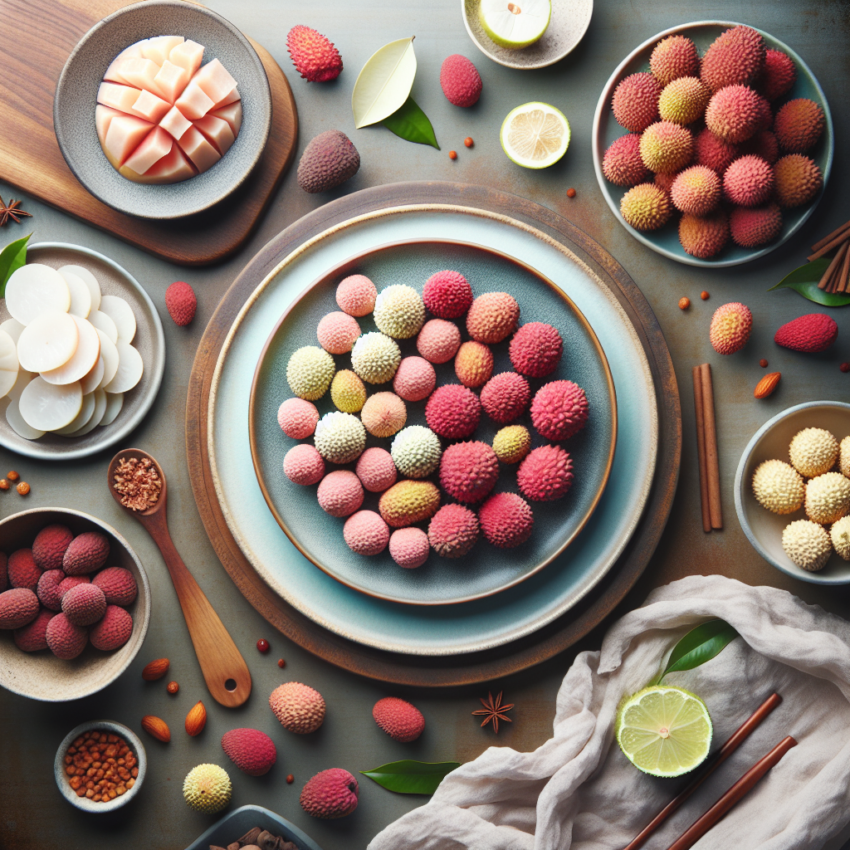
When it comes to tropical fruits, many people wonder about the versatility and benefits of litchi and lychee. Both names refer to the same exotic fruit known for its sweet flavor and succulent texture. Native to Southeast Asia, this fruit is not only a delight for the tastebuds but also offers a host of nutritional benefits that can easily be integrated into your daily meals. Let’s explore how you can enjoy litchi and lychee in various delicious ways.
Understanding the Litchi and Lychee Phenomenon
Litchi, also spelled as lychee, is a small, round fruit covered in a rough, reddish shell. Once you peel away this outer layer, you find a translucent, juicy fruit that is both sweet and slightly acidic. Not only is this fruit refreshing, but it is also rich in vitamins, particularly vitamin C, and offers a good dose of antioxidants.
Given these attributes, litchi and lychee can be used in a variety of culinary applications. Whether you’re incorporating them into desserts, beverages, or savory dishes, these fruits offer a unique blend of flavors that can enhance your dining experiences.
Incorporating Litchi and Lychee into Your Diet
- Smoothies and Juices: Start your day with a refreshing blend of litchi and lychee in a smoothie. Combine them with other fruits such as bananas and strawberries for a nutritious breakfast option.
- Fruit Salads: Add peeled and deseeded litchi into a fruit salad. Its sweet flavor complements citrus fruits like oranges and works well with berries.
- Desserts: Litchi can be integrated into desserts like panna cotta or sorbet, providing a delicate, floral note to your sweet treats.
- Savory Dishes: Try using litchi in savory recipes. They can be diced and mixed into a salsa or even paired with meats like chicken or pork to create a sweet and savory glaze.
- Beverages: You can muddle fresh litchi in cocktails or make a simple syrup for use in iced teas and lemonades.
Creative use of litchi and lychee in the kitchen can transform ordinary dishes into gourmet experiences. Even in DIY projects around your home, incorporating themes of these exotic elements can evoke a sense of adventure and style. For decor ideas inspired by exotic fruits and other world elements, explore how to decorate your home with vintage maps.
Nutritional Benefits of Litchi and Lychee
The health benefits of litchi and lychee are numerous, making them an excellent addition to your diet. They are low in calories yet packed with vitamin C, which is crucial for maintaining a healthy immune system. A source of polyphenols, litchi provides antioxidants that may help combat oxidative stress in the body.
Additionally, litchi contains oligonol, which is being studied for its potential health benefits, including improving circulation and reducing fatigue. While litchi is a nutritious option, it’s important to consume them in moderation due to their naturally high sugar content.
For more detailed nutritional information, you can visit the lychee page on Wikipedia.
- Litchi and lychee are essentially the same fruit, known for their sweet, juicy interior.
- Incorporating them into your diet can enhance both sweet and savory dishes.
- They are rich in vitamin C and antioxidants, which support overall health.
- It’s important to enjoy them in moderation due to their natural sugar content.
- Explore creatively themed home decor for added exotic flair in your living space.
What are the primary health benefits of litchi and lychee?
Litchi and lychee are rich in vitamin C and antioxidants, supporting immune function and helping reduce oxidative stress. They may also improve circulation and reduce fatigue.
How can litchi be used in savory dishes?
Litchi can be used in savory recipes such as salsas or glazes for meats like chicken or pork, adding a sweet and unique flavor to these dishes.
Is there a difference between litchi and lychee?
There is no difference between litchi and lychee; they are two spellings of the same fruit, which is native to Southeast Asia.
Can litchi be consumed daily?
While litchi is nutritious, it should be consumed in moderation owing to its high sugar content. Incorporating them a few times a week is generally fine.
How to choose ripe litchi in the market?
Look for litchi with bright, red shells and a firm texture. Avoid those with bruises or a brownish shell, which indicates overripeness.