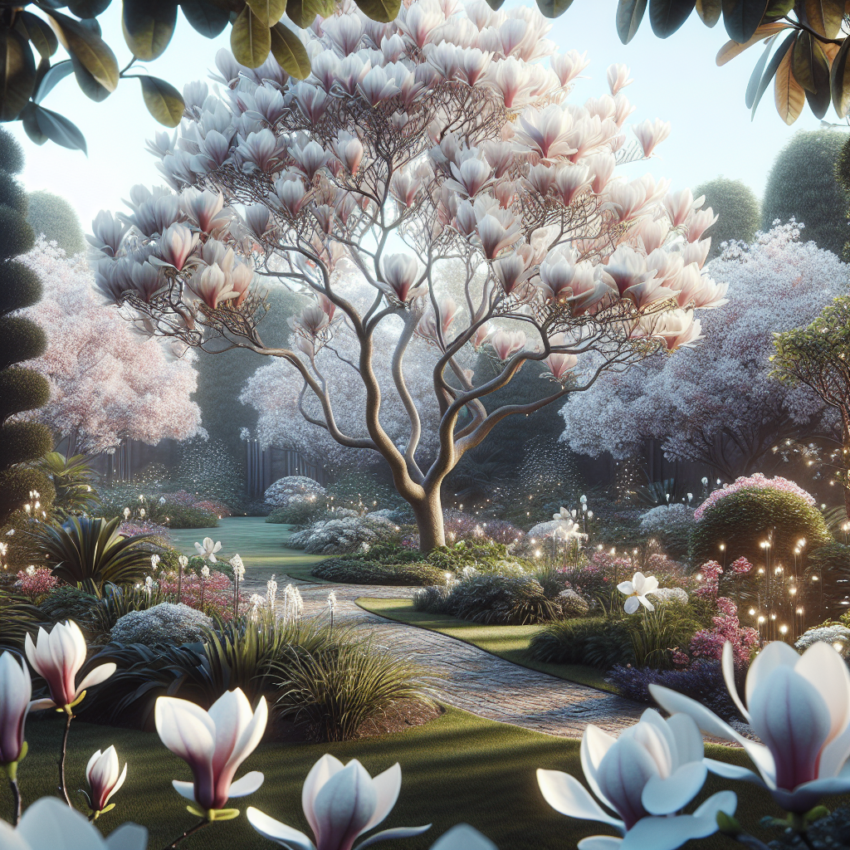
Imagine walking through your garden, surrounded by the captivating scent and beauty of magnolia magnolia magnolia. Known for their stunning blooms, these trees and shrubs are a delightful addition to any outdoor space. In this article, we’ll explore the many benefits of including magnolias in your garden and how they can enhance your landscape.
The Allure of Magnolia Magnolia Magnolia
Magnolia trees are renowned for their magnificent flowers, which vary in color from pure white to rich pinks and purples. Each variety of magnolia magnolia magnolia offers a unique aesthetic, making them versatile for various garden styles. Their flowers bloom in early spring, offering one of the first signs of the season’s renewal and creating a striking contrast against the often still-dormant backdrop of other trees.
Benefits of Planting Magnolias
Beyond their beauty, magnolias provide practical benefits. These trees are relatively low-maintenance, requiring minimal pruning and thriving in a variety of soil conditions, from acidic to neutral pH levels. They can also be used to create privacy in your yard due to their dense foliage during the growing months.
Another benefit of growing magnolias is their attraction for pollinators, such as bees and butterflies. These essential creatures are drawn to the flowers’ nectar, thus supporting a healthy ecosystem in your garden.
Types of Magnolias to Consider
When selecting a magnolia tree for your garden, consider the size and climate suitability. Popular varieties include the Southern Magnolia, with its large, fragrant white blossoms, and the Star Magnolia, known for its smaller stature and early spring bloom.
Gardeners in colder climates might opt for Magnolia kobus, which is more resilient to frost, or Magnolia stellata, which thrives in more compact garden spaces.
Creating a Magnificent Magnolia Garden
Designing a garden around magnolias allows you to create a serene and inviting outdoor environment. When planning, consider the growth patterns and mature size of the chosen varieties to ensure adequate space and optimal sunlight exposure.
Pairing magnolias with complementary plants such as azaleas and ferns can enhance the beauty of your garden by providing contrast and texture. These plants thrive in similar conditions, making them perfect companions for your magnolias.
Maintenance Tips for Healthy Magnolias
Once established, magnolias require minimal care. Regular watering during dry spells and mulching can go a long way to maintain their health. It’s also a good practice to monitor for pests and diseases, although magnolias are generally resilient.
Using slow-release fertilizers in the spring can support their nutrient needs without the risk of over-fertilization.
Additional Inspiration for Your Garden
Incorporating vintage elements into your garden design can add an extra layer of charm and historical interest. To learn more about these timeless trends, visit our article on decorating your home with vintage maps.
Explore More About Magnolia Magnolia Magnolia
In summary, magnolia magnolia magnolia trees can offer unrivaled beauty and numerous benefits when appropriately integrated into your garden. Their stunning flowers and ease of care make them a popular choice for gardeners seeking both aesthetics and functionality.
For further reading on gardening and plant benefits, you might find this resource on Wikipedia insightful.
- Magnolias offer beautiful, seasonal blossoms.
- They attract beneficial pollinators like bees and butterflies.
- The trees require low maintenance once established.
- Diverse varieties support various climates and garden styles.
- Companion planting with suitable species enhances garden aesthetics.
What conditions do magnolias prefer?
Magnolias thrive in well-drained, slightly acidic to neutral soil and prefer a position with full sun or part shade.
How often should I water my magnolia tree?
Water new magnolia trees weekly to establish roots. Mature magnolias need watering mainly during dry periods, especially when newly planted.
Are magnolias prone to any diseases?
While generally resilient, magnolias can face challenges like leaf spots and root rot, especially if not planted in well-drained soil.
Which magnolias bloom the earliest in the year?
Star Magnolias and some varieties of Magnolia Kobus typically bloom very early in spring, often even before their leaves appear.
Is it possible to grow magnolias in containers?
Yes, certain smaller varieties of magnolias can be successfully grown in containers, as long as they are provided with ample space for root growth and regular care.