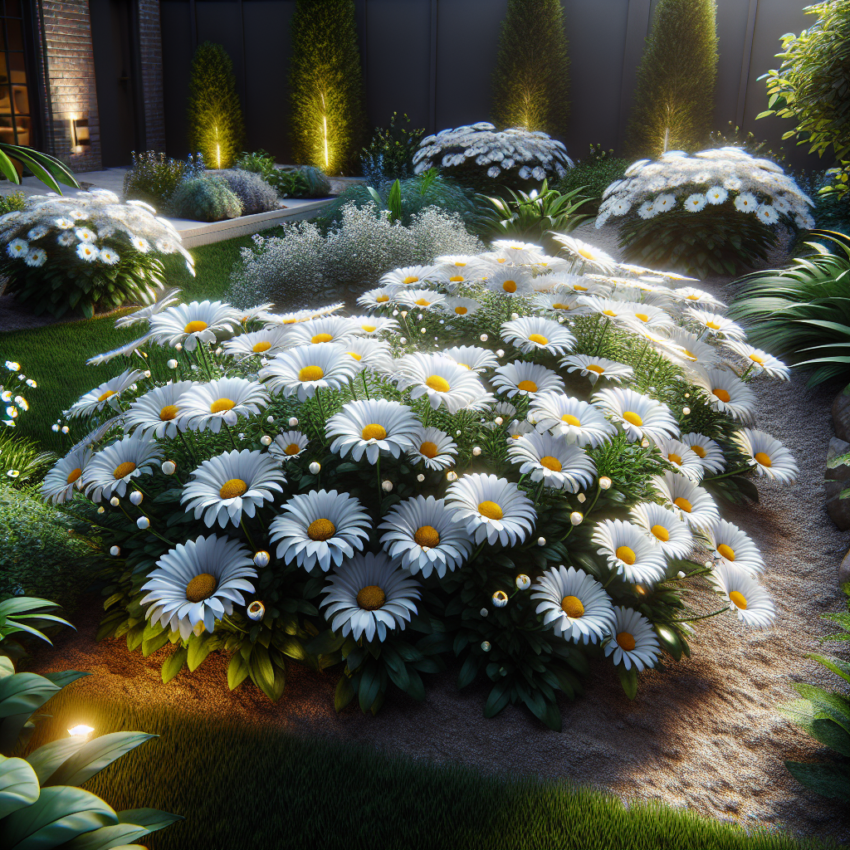
The delightful Shasta daisy is a favorite among gardeners for its classic beauty and versatility. With its vibrant white petals and cheerful yellow centers, the shasta daisy brings a fresh, clean look to any garden space. Whether you’re a seasoned gardener or a beginner, incorporating shasta daisies into your landscape can offer numerous benefits, including low maintenance and the ability to attract pollinators. Let’s explore why these blooms are worth considering for your outdoor oasis.
Understanding the Shasta Daisy
The shasta daisy, scientifically known as Leucanthemum × superbum, is a hybrid species derived from several wild daisies. It thrives in full sun and well-drained soil, making it an excellent choice for flower beds and borders. Known for its hardiness, the shasta daisy can withstand various weather conditions and enjoys a long blooming period from early summer to fall.
This perennially popular flower is not only admired for its aesthetic appeal but also for its ability to attract beneficial insects, such as bees and butterflies, which help with garden pollination. The shasta daisy’s easy-going nature makes it ideal for gardeners who appreciate beauty without extensive upkeep.
Benefits of Planting Shasta Daisies
There are numerous benefits to planting shasta daisies in your garden. Here are some compelling reasons:
- Attract Pollinators: Shasta daisies are excellent for attracting bees, butterflies, and other pollinators, which can improve the overall health of your garden.
- Long Blooming Season: With a flowering period that extends from early summer through to fall, shasta daisies provide long-lasting beauty.
- Low Maintenance: These daisies are relatively easy to care for. Once established, they require minimal watering and can thrive in a range of soil types.
- Versatility: Shasta daisies work well in garden borders, containers, or as part of a wildflower meadow.
Planting and Caring for Shasta Daisies
When planting shasta daisies, select a sunny spot with well-draining soil. These plants prefer slightly acidic to neutral soil but are generally tolerant of various soil conditions. Prior to planting, improve soil drainage by working in some organic matter, such as compost or peat moss.
Adequate watering is crucial during the initial stages. Once the plants are established, they are drought-tolerant and only need occasional watering. Deadheading, or removing spent blooms, encourages further blooming and prevents the plants from becoming leggy. In regions with harsh winters, mulch around the base of the plants to provide insulation.
Design Ideas for Shasta Daisies
Shasta daisies are versatile in garden design. Consider these ideas for incorporating them into your landscape:
- Mixed Borders: Pair shasta daisies with other perennials like lavender or echinacea for a varied look.
- Container Gardening: Use them as the centerpiece in large pots or containers for patios and decks.
- Cutting Gardens: Their long stems make shasta daisies perfect for cut flower arrangements.
Companion Plants for Shasta Daisies
Shasta daisies combine beautifully with many other plants. Their simple beauty makes them excellent companions for more colorful flowers.
- Lavender: The silvery foliage and purple blooms provide a soft contrast to the daisy’s bright whites.
- Daylilies: Their bold colors complement the simplicity of the shasta daisy.
- Coreopsis: The bright yellows enhance the daisy’s center, creating a sunny, cohesive display.
Common Challenges and Solutions
Although generally easy to grow, gardeners may encounter a few challenges with shasta daisies.
- Pests: While resistant to most pests, they can sometimes fall prey to aphids or leaf miners. Regularly inspect plants and use organic pest control methods if needed.
- Diseases: Powdery mildew and leaf spot can occur. Ensure good air circulation and avoid overhead watering to minimize fungal issues.
Adding shasta daisies to your garden not only enhances its beauty but also contributes to a healthier environment by attracting pollinators. With proper care and consideration of companion planting, these delightful blooms will reward you with a stunning display season after season. Embrace the timeless elegance and ecological benefits of the shasta daisy in your yard today. For more in-depth information about plant care, visit the Wikipedia Health page.
Takeaways
- Shasta daisies are easy-to-grow perennials with long blooming periods.
- They are excellent for attracting pollinators like bees and butterflies.
- Shasta daisies require full sun and well-drained soil for optimal growth.
- Pair with lavender, daylilies, or coreopsis for stunning garden displays.
- Consider companion planting and proper care to mitigate common challenges.
FAQs
What soil type is best for shasta daisies?
Shasta daisies thrive in well-drained, slightly acidic to neutral soil. They are adaptable but prefer not to sit in water-logged conditions.
How often should I fertilize shasta daisies?
Fertilize shasta daisies in the spring with a balanced fertilizer to encourage blooming. Avoid excessive fertilization to prevent leggy growth.
When should I divide my shasta daisies?
Divide shasta daisies every 2-3 years in early spring or fall. This helps rejuvenate the plants and improve blooming.
Do shasta daisies need full sun?
Yes, shasta daisies perform best in full sun, receiving at least 6 hours of direct sunlight a day. They can tolerate some partial shade, but it may affect blooming.
Are shasta daisies deer resistant?
While no plant is entirely deer-proof, shasta daisies are somewhat deer-resistant due to their tougher foliage. However, hungry deer may still sample them.