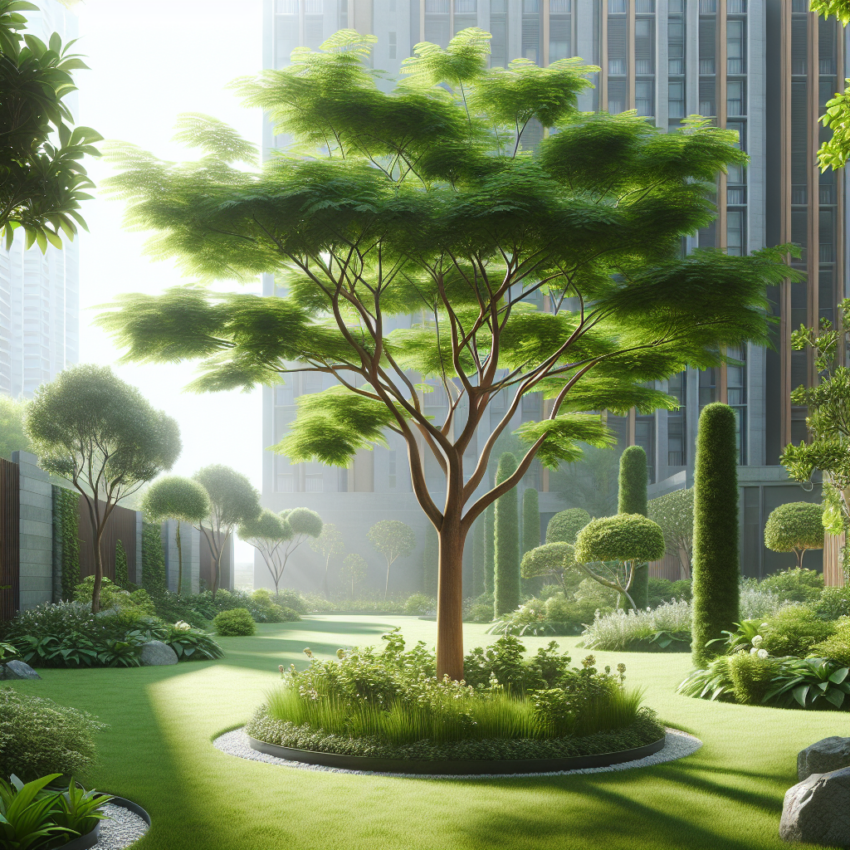
The Chinese pistache is a remarkable tree that has captured the attention of garden enthusiasts and landscapers alike. Known for its vibrant fall foliage, this tree offers both aesthetic appeal and practical benefits. In this article, we will explore the key aspects of the Chinese pistache tree, including its growth habits, environmental benefits, and care guidelines. Whether you’re considering adding it to your landscape or simply curious about its attributes, the following insights will enlighten your understanding of this exceptional tree.
What Makes the Chinese Pistache Special?
The Chinese pistache tree, scientifically known as Pistacia chinensis, is cherished for its stunning seasonal changes. During autumn, its leaves turn brilliant red and orange, providing a breathtaking display. This tree is not only favored for its beauty but also for its adaptability to various climates and soil types, making it an excellent choice for a wide range of landscaping projects.
Another reason for the popularity of the Chinese pistache is its role in sustainable landscaping. It is drought-tolerant once established, reducing the need for excessive watering. Its ability to thrive in urban environments also makes it a preferred choice for city planners and homeowners seeking a low-maintenance yet visually appealing tree.
Caring for the Chinese Pistache
One of the appealing features of the Chinese pistache is its relatively easy care requirements. It’s essential, however, to follow a few guidelines to ensure it thrives:
- Sunlight: The tree thrives in full sun, requiring at least six hours of direct sunlight per day.
- Soil: It adapts well to various soil types, though well-drained soils enriched with organic matter are ideal.
- Watering: Regular watering is necessary during the first few years, transitioning to drought resistance as it matures.
- Pruning: Annual pruning helps maintain a healthy structure and encourages robust growth.
When planted and maintained correctly, the Chinese pistache tree can become a resilient and attractive component of any landscape project. Its vibrant fall color will create a focal point in parks, gardens, and streetscapes, much like the appeal of beautifying your driveway.
Environmental Impact of the Chinese Pistache
Beyond its beautiful appearance, the Chinese pistache tree plays a pivotal role in promoting environmental health. It is known for its capacity to improve air quality by absorbing carbon dioxide and releasing oxygen, akin to other hardwoods. Moreover, it serves as a habitat for various birds and small animals, contributing to biodiversity in urban and suburban settings.
Additionally, the tree’s drought tolerance is particularly beneficial in areas experiencing water scarcity. By incorporating the Chinese pistache into urban landscapes, cities can reduce their reliance on water-intensive plants, aiding in the conservation of this vital resource.
The Chinese Pistache and Urban Landscaping
As an urban landscaping choice, the Chinese pistache stands out for several reasons. Its moderate size and resistance to pests make it suitable for planting along streets and in civic landscapes. The robustness of the Chinese pistache enables it to withstand urban pollution, a critical factor for trees situated in city environments.
Furthermore, its aesthetic appeal enhances property values and public spaces, offering residents a slice of nature amidst concrete structures. This beautiful transformation can parallel projects such as driveway resurfacing, which can also elevate the curb appeal of properties.
Conclusion: The Versatile Chinese Pistache
Incorporating the Chinese pistache into your garden or landscape can offer year-round benefits and enjoyment. Its striking appearance, coupled with its environmental contributions, makes it an excellent choice for anyone looking to enhance their outdoor space. By understanding its care requirements and environmental advantages, you can fully appreciate why the Chinese pistache is a popular choice among landscapers and gardeners.
- Chinese pistache trees are renowned for their vibrant fall colors.
- They offer environmental benefits such as improving air quality and supporting biodiversity.
- These trees are drought-tolerant and adapt well to urban environments.
- Proper care involves adequate sunlight, regular watering, and occasional pruning.
- They are suitable for enhancing both residential and public urban landscapes.
What are the growth habits of the Chinese pistache tree?
The Chinese pistache grows to a height of 25-35 feet with a similar spread. It has a round canopy and dense foliage, making it a great shade tree.
Is the Chinese pistache tree suitable for small gardens?
Yes, its moderate size and adaptability make it an excellent choice for small gardens and limited spaces.
How do I maintain the health of a Chinese pistache?
Ensure the tree receives full sunlight, well-drained soil, regular watering in its initial years, and annual pruning to maintain its shape and vigor.
What makes Chinese pistache an environmentally friendly choice?
Its ability to survive in various climates, improve air quality, and provide habitat and food for wildlife contributes to its environmental benefits.
Where can I learn more about sustainable landscaping?
You can read more about sustainable landscaping practices on this Wikipedia page to expand your understanding of eco-friendly gardening techniques.