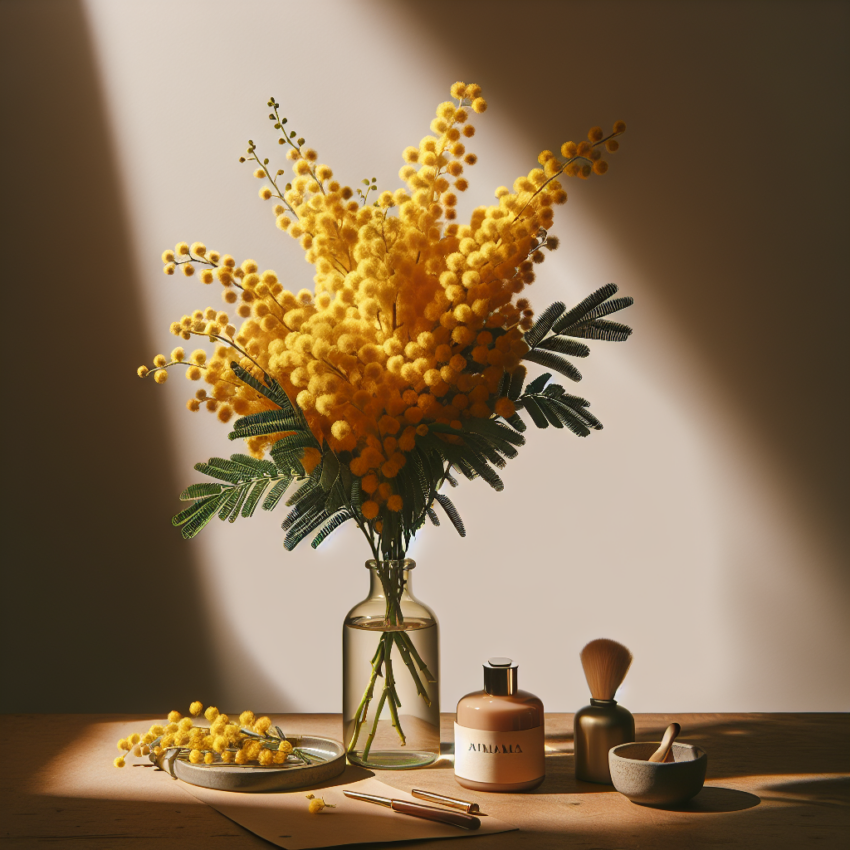
The mimosa flower, a delicate and beautiful bloom, captures the attention of not only garden enthusiasts but also those interested in natural beauty products. Known for its fluffy, pastel-hued blossoms, the mimosa flower is more than just a pretty face. It holds numerous benefits that have been cherished and utilized in cosmetics and wellness products. This article delves into the versatility of the mimosa flower, exploring its appearance, uses, and the potential benefits it offers.
What Makes the Mimosa Flower Unique?
The mimosa flower is renowned for its feathery pink and yellow blooms, which make it a popular choice in ornamental gardening. However, its appeal extends beyond aesthetic beauty. The flower stems from the Acacia family and is generally recognized for its swift responses to touch—an intriguing characteristic that makes it a subject of fascination.
In the realm of beauty and health, the mimosa flower extract is celebrated for its soothing and calming properties. It is often incorporated into skincare formulations, where it helps to support skin health. The flower’s extracts contain antioxidant properties that may offer gentle and natural support for skin conditions.
Benefits of Mimosa Flower in Skincare
The beauty industry has long revered the mimosa flower for its potential benefits in cosmetic formulations. Notably, the flower is rich in polyphenols and flavonoids, which have antioxidant qualities that can help protect the skin from environmental stressors.
Mimosa flower extracts are used in moisturizers and creams to soothe the skin. Its gentle nature makes it suitable for sensitive skin types, where it can help reduce redness and calm irritation. Additionally, its subtle, natural fragrance adds an enticing aroma to beauty products.
Mimosa Flower and Emotional Wellbeing
Beyond its physical benefits, the mimosa flower is also prized for its mood-lifting properties. The flower is known in aromatherapy for its capacity to promote relaxation and wellbeing. The essential oils derived from mimosa flowers can be used in diffusers to create a calming atmosphere that may enhance mood and reduce stress.
Incorporating mimosa flower essential oil into your bedtime routine or bathing rituals can potentially help in winding down and alleviating tension, promoting a peaceful night’s sleep.
Culinary Uses and Health Benefits
While not as commonly known for its culinary uses, the mimosa flower is sometimes used to garnish dishes and has been studied for its potential health-supporting properties. The extracts from the mimosa flower have been explored for their potential role in supporting the immune system.
It’s important to note that while mimosa flowers provide several benefits, they are most effectively used in conjunction with other healthy lifestyle practices. For those navigating changes like menopause and seeking natural supports, considering other options for natural remedies and supplements can be helpful.
The Role of Mimosa Flower in History and Culture
The mimosa flower holds cultural significance in various parts of the world. Traditionally, it has been used in ceremonies and folk medicine. Its presence in literature and art highlights its longstanding allure and cultural resonance, symbolizing sensitivity and beauty.
While its historical uses might differ from modern applications, the enduring appeal of the mimosa flower across various cultures reflects its versatility and depth.
Incorporating Mimosa Flowers in Your Routine
To experience the benefits of the mimosa flower, consider using products that contain mimosa extract or essential oil. These can range from skincare lines to aromatherapy oils, which provide a direct way to reap the soothing and antioxidant benefits.
Ensure to source products from reputable providers to maintain the integrity and potency of the flower’s benefits. As always, when introducing new natural products into your routine, it’s wise to monitor how your body responds, and consult with healthcare providers, particularly if you have specific health concerns.
Ultimately, the mimosa flower combines beauty with function, providing numerous ways to enhance well-being. Whether through skincare, aromatherapy, or body care, the gentle yet beneficial properties of the mimosa flower can offer a lovely addition to your health and beauty regime.
Final Thoughts on the Mimosa Flower
The mimosa flower continues to captivate with its delicate beauty and multifaceted benefits. As an essential component in various cosmetic and wellness products, it provides support that is both soothing and rejuvenating. Whether incorporated into skincare or used as a natural aromatic, the mimosa flower remains a timeless choice for those seeking elegance and tranquility.
- The mimosa flower is prized for its beauty and versatile benefits.
- Rich in antioxidants, it supports skin health and soothes irritation.
- Its aromatic properties may promote relaxation and mood enhancement.
- Used historically in cultural practices and folk medicine.
- Incorporate mimosa in routines through reputable products for best results.
FAQs about Mimosa Flower
What are the main benefits of the mimosa flower in cosmetics?
Mimosa flower is valued for its antioxidant and soothing properties, making it a beneficial ingredient in skincare products aimed at calming and protecting the skin.
How does the mimosa flower affect emotional wellbeing?
The essential oils derived from mimosa flowers are known in aromatherapy for promoting relaxation, potentially enhancing mood, and reducing stress levels.
Can mimosa flowers be used in cooking?
While not commonly used in everyday cooking, mimosa flowers can be used as a decorative garnish and are studied for potential immune-supporting benefits.
Is the mimosa flower safe for sensitive skin?
Yes, the mimosa flower is often included in formulations for sensitive skin due to its gentle and calming nature. However, it’s always wise to perform a patch test or consult with a skin specialist if concerns arise.
Where can I find more information on the benefits of botanical flowers?
For additional details about botanical flowers and their benefits, consider visiting thorough resources like Wikipedia’s health section where comprehensive background information is available.