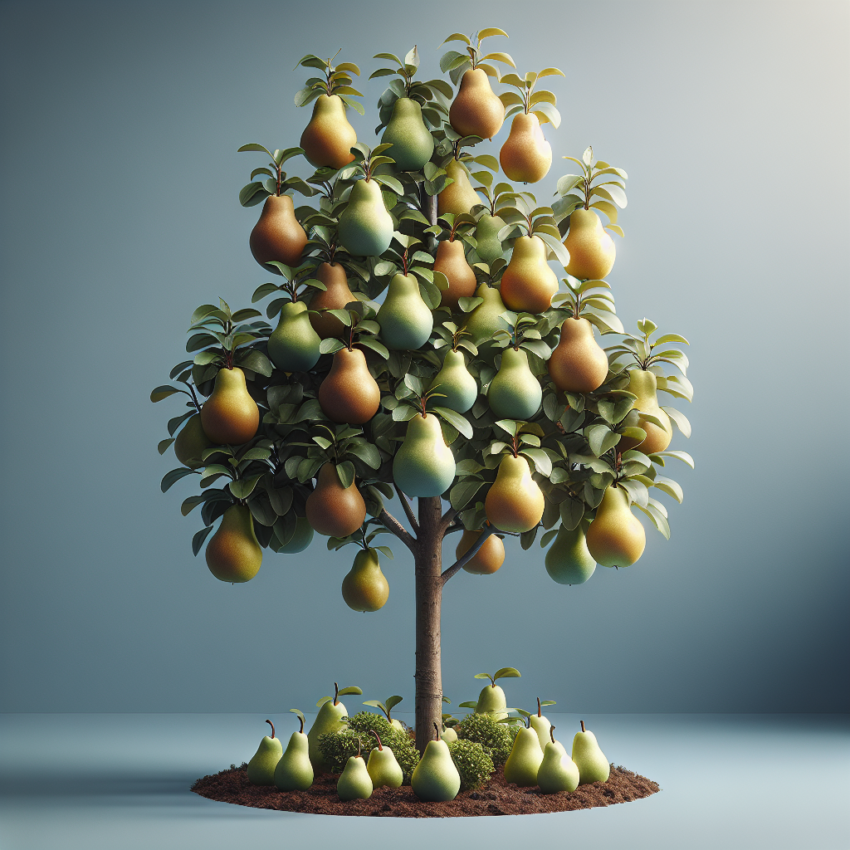
Pear lovers and home gardeners alike often seek out the best pear varieties to cultivate in their own yards. Whether for fresh eating, baking, or canning, different pear types offer unique flavors, textures, and growing conditions. In this article, we’ll explore some of the most popular and delightful pear varieties you can consider planting in your home garden.
Popular Pear Varieties to Grow at Home
Choosing the right pear varieties can significantly impact your gardening success. Let’s delve into some of the most sought-after options.
Bartlett Pear
The Bartlett pear, known for its sweet and juicy flesh, is perhaps the most recognized pear type worldwide. It’s ideal for fresh consumption and canning, making it a versatile choice for home gardeners. This variety thrives in areas with cooler winters and warm summers.
Anjou Pear
Anjou pears, commonly found in green or red varieties, offer a smooth texture and are perfect for baking or slicing into salads. This type is popular for its storage capabilities, as it can last for weeks without losing its flavor or quality.
Bosc Pear
With its distinctive brown skin and honey-sweet flavor, the Bosc pear is a favorite for dessert use and roasting. These pears hold their shape well when cooked, leading to stunning presentations in both savory and sweet dishes.
Comice Pear
Often hailed as the sweetest of all pear varieties, the Comice pear is a gourmet delight. Its rich, buttery flavor makes it ideal for pairing with cheeses and wines. Comice pears require specific conditions, often thriving best in temperate climates.
Asian Pear
Unlike traditional European pears, Asian pear varieties have a crisp texture similar to an apple. They’re perfect for eating fresh and make a refreshing addition to fruit salads. These pears generally thrive in sunny, well-drained locations.
Tips for Successfully Growing Pear Varieties
Growing pears can be rewarding if you consider a few critical factors. Here are some tips to ensure your pear trees flourish.
Selecting the Right Location
Pear trees require plenty of sunlight and good air circulation to prevent diseases. Make sure to plant your trees in a spot that receives at least six hours of direct sunlight daily.
Knowledge of Pollination
Most pear types require cross-pollination to produce fruit. Planting different pear varieties close together can increase your chances of successful pollination and greater fruit production.
Soil Preparation and Maintenance
Pear trees perform best in well-drained, loamy soil. Testing the soil pH and amending it with organic matter can also enhance your trees’ growth and fruiting capabilities.
Health Benefits of Pears
Aside from their delightful taste, pears offer numerous health benefits. They are an excellent source of dietary fiber, vitamin C, and antioxidants. Regular consumption of pears may help support healthy digestion and boost your immune system. For more information on the nutritional profile of pears, you can visit this comprehensive source.
To explore more on how to effectively communicate the benefits of growing pears as part of a larger public relations effort, feel free to check out our public relations content.
Choosing the Right Pear Varieties for Your Garden
Selecting the best pear varieties for your garden depends on your taste preferences, climate, and intended use of the pears. Whether you lean towards the classic Bartlett or prefer the exotic appeal of the Asian pear, there’s a pear variety suited for every gardener and palate.
- Bartlett pears are ideal for fresh eating and canning.
- Anjou pears are versatile and store well.
- Bosc pears are excellent for cooked dishes.
- Comice pears offer gourmet appeal with their sweet flavor.
- Asian pears provide a crisp, apple-like texture.
What is the sweetest pear variety?
The Comice pear is generally considered the sweetest and is often used in gourmet dishes.
Can you grow pear trees in containers?
Yes, some pear varieties can be grown in containers, but they may require regular pruning to manage their size.
How long does it take a pear tree to produce fruit?
Most pear trees will start to produce fruit within 3 to 5 years after planting, depending on the species and growing conditions.
Do all pear varieties require cross-pollination?
While many pear types benefit from cross-pollination, some are self-pollinating. However, cross-pollination often results in better yields.
Are there pear varieties that are resistant to diseases?
Yes, some modern hybrid pear varieties are developed to resist common diseases such as fire blight. Consulting with a local nursery can help identify suitable disease-resistant varieties for your region.