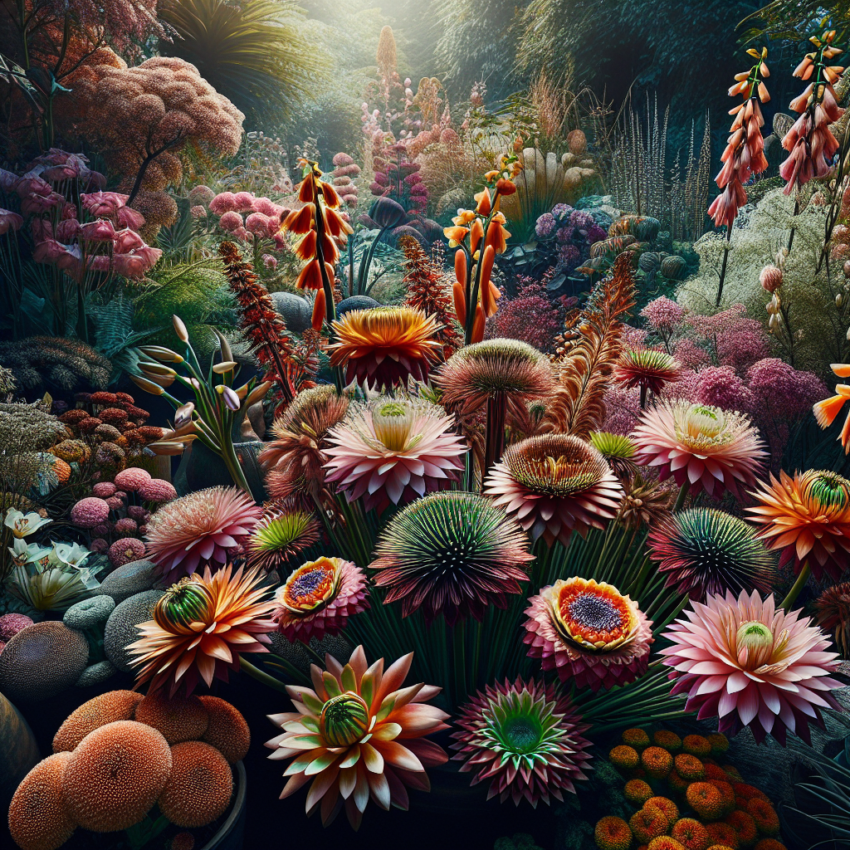
If you’re a gardening enthusiast looking to transform your outdoor space with an exotic touch, incorporating rare flowers could be the enchanting solution you need. These unique and exquisite blooms not only add visual interest but also offer a chance to engage with plant species that are less common in traditional gardens.
The Allure of Rare Flowers
Rare flowers possess characteristics that set them apart from the everyday blooms most commonly found in gardens. These plants often feature unusual shapes, captivating colors, and rich fragrances that can take your garden from ordinary to extraordinary. Moreover, growing rare flowers gives you the opportunity to contribute to the conservation of plant species that might be endangered or at risk.
Some Stunning Varieties to Consider
When deciding which rare flowers to introduce to your garden, you have an impressive array of choices:
- Ghost Orchid: Known for its ethereal appearance, the ghost orchid is a captivating species found in Florida and Cuba.
- Middlemist Red: This stunning camellia, originally from China, is one of the rarest flowering plants in the world.
- African Violet: While more common in indoor settings, certain African violet subspecies are a rare treat for any collection.
- Cape Sundew: A carnivorous plant that both ensnares and digests insects, adding an exotic touch to your garden.
Challenges and Rewards of Cultivating Rare Flowers
Gardening with rare flowers comes with its own set of challenges and rewards. These plants often require specific conditions to thrive, such as precise soil composition, humidity levels, and sunlight exposure. For example, the ghost orchid prefers the warm, swampy conditions of south Florida, making it a challenge for gardeners in other climates.
Nevertheless, the effort invested in growing these plants can be truly rewarding. Successfully cultivating rare flowers not only allows you to enjoy their unique beauty but also offers educational insights into plant biodiversity and ecology. In fact, incorporating unusual plants into a garden is a practical example of how gardening can support broader environmental conservation efforts.
Conservation Concerns
When cultivating rare flowers, it is essential to consider their conservation status. Some rare species are vulnerable due to overharvesting and habitat destruction. By carefully sourcing these plants from reputable nurseries or participating in plant swaps, gardeners can enjoy the splendor of rare flowers without contributing to ecological harm.
For more information on supporting plant diversity and sustainability in your garden, check out our resources on sustainable gardening practices.
Bringing Exotic Blooms to Your Garden
To successfully introduce rare flowers into your garden, start by researching the specific needs of each species. Understanding factors like soil pH, water requirements, and sunlight exposure will help create a balanced environment for your plants to flourish. Additionally, pairing rare flowers with complementary flora can create a harmonious garden atmosphere.
Engaging with gardening communities and utilizing online resources can provide additional tips and insights. Organizations such as botanical gardens and conservation groups can also be valuable sources of information. For further reading, consider visiting this article on biodiversity and conservation.
Conclusion
Expanding your flora with rare flowers can bring a captivating transformation to any garden space. With careful planning and dedication to sustainable gardening practices, these unique plants can provide not just aesthetic beauty but a deeper understanding and appreciation for the diverse world of botany.
- Rare flowers bring unique beauty to any garden.
- Successful cultivation requires specific growing conditions.
- Gardening with rare species supports conservation.
- Research and community engagement are key to success.
- Contribute positively to biodiversity through informed practices.
What are some of the rarest flowers in the world?
Some of the rarest flowers include the Middlemist Red, Ghost Orchid, and Jade Vine, known for their unique beauty and conservation importance.
Why is it important to consider conservation when planting rare flowers?
Conservation considerations ensure that planting rare species does not contribute to their endangerment, supporting global biodiversity efforts.
How can I find rare flowers for my garden?
Seek out reputable nurseries, online plant catalogs, or plant swaps focusing on sustainable and ethical sourcing.
What conditions do rare flowers typically require?
Conditions vary by species, but often include specific soil types, humidity levels, and light exposure tailored to their native habitats.
Do rare flowers attract specific types of wildlife?
Yes, many rare flowers have evolved to attract specific pollinators, such as certain birds or insects, contributing to ecosystem dynamics.