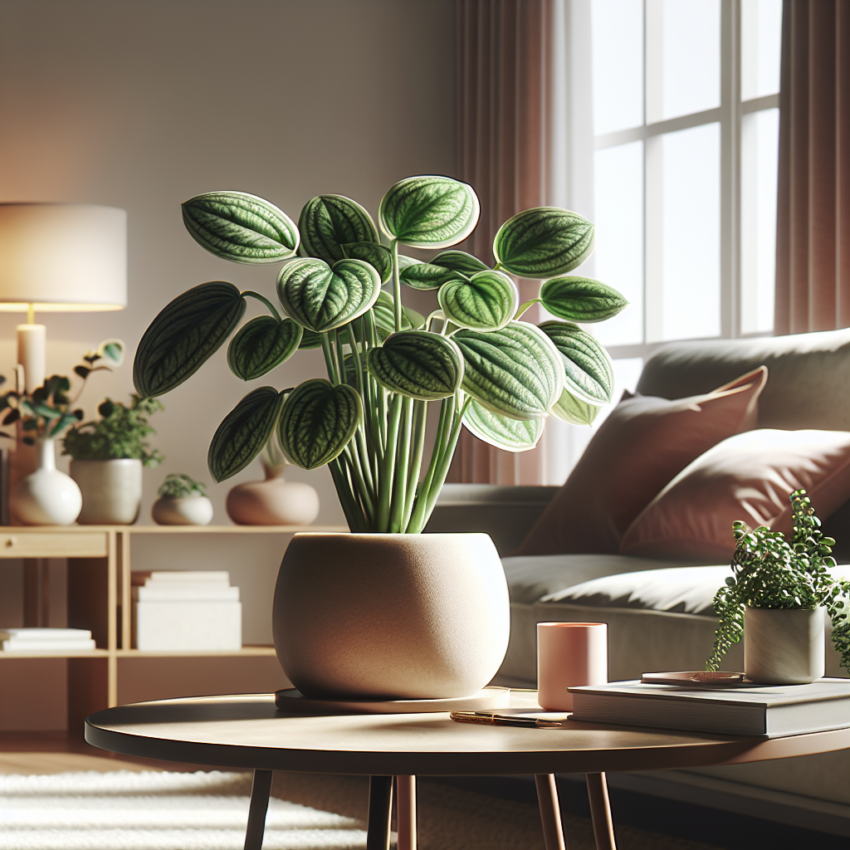
Peperomia, a delightful and diverse group of plants, has captured the hearts of plant enthusiasts around the world. Originating from South America, these charming houseplants are known for their unique foliage and adaptability to various indoor environments. Whether you’re a seasoned gardener or new to plant care, peperomia offers an exciting opportunity to enhance your home with its vibrant leaves and easy maintenance requirements.
Caring for Your Peperomia
When it comes to peperomia care, these plants are relatively low-maintenance, making them perfect for both beginners and busy gardeners. One of the best aspects of peperomia is its ability to thrive in low-light conditions, although bright, indirect light is ideal for promoting healthy growth and vibrant color. Ensure that your peperomia is placed in a well-draining pot with soil that retains some moisture but does not become waterlogged.
Watering peperomia is straightforward. Water your plant when the top inch of soil feels dry to the touch. Overwatering can lead to root rot, so it’s crucial to allow the soil to dry out between waterings. Many peperomia varieties have thick, succulent-like leaves that store water, making them somewhat drought-tolerant.
Temperature and Humidity
These plants thrive in average home temperatures ranging from 65°F to 75°F. However, they do not fare well in temperatures below 50°F. Peperomia also prefers a humid environment, but it can adapt to less humid conditions common in many homes. To boost humidity, consider grouping your plants together or using a pebble tray with water.
Fertilization and Pruning
Feed your peperomia with a balanced, water-soluble fertilizer every month during the growing season, from spring to fall. This will help maintain its lush appearance and promote healthy growth. Avoid over-fertilizing, as this can damage the roots and foliage.
Pruning is usually minimal with peperomia. Remove dead or yellowing leaves to keep your plant looking its best, and pinch back the stems to encourage bushier growth.
The Diversity of Peperomia Species
With over 1,000 species, peperomia offers a wide range of sizes, shapes, and colors to suit any indoor garden. From the popular Watermelon Peperomia, with its striking leaf pattern, to the charming Peperomia Obtusifolia, with its thick, oval leaves, there’s a peperomia for everyone.
Each species boasts its own unique characteristics, but all share a similar care routine. Experimenting with different pepperomia varieties can introduce new textures and looks to your plant collection, enhancing your home decor with lush greenery.
The Benefits of Having Peperomia in Your Home
Not only does peperomia add a touch of nature to your living space, but it may also offer some benefits to your well-being. Like many indoor plants, peperomia can improve indoor air quality by filtering out common toxins. Its presence can also create a calming atmosphere and promote relaxation.
Furthermore, tending to houseplants like peperomia can be a therapeutic activity, reducing stress and enhancing mental clarity. For more insights on integrating decor elements that promote relaxation, read about decorating your home with vintage maps.
Overall, peperomia may be the perfect choice for indoor gardening enthusiasts looking to cultivate a beautiful and manageable plant collection.
Common Challenges and Solutions
Like any plant, peperomia can face several challenges. One common issue is leaf drop, which can occur due to sudden changes in temperature or overwatering. Ensure your plant is in a stable environment and adjust your watering habits as needed.
Pest infestations, such as spider mites or mealybugs, can also affect peperomia. Regularly inspect your plant, and if pests are found, treat with insecticidal soap or neem oil.
Propagating Your Peperomia
Propagating peperomia is a straightforward process that can expand your plant collection or allow you to share with friends. The most common method involves leaf cuttings. Simply snip a healthy leaf with a small part of the stem attached, and place it in a pot with well-draining soil. Keep the soil moist and in a warm, bright area until new growth appears.
By propagating peperomia, you can enjoy the thrill of nurturing a new plant from a single leaf, a rewarding experience for any plant lover.
Final Thoughts on Peperomia
Incorporating peperomia into your home can bring both aesthetic pleasure and potential health benefits. This versatile and delightful group of plants is sure to become a treasured part of your indoor garden. By understanding their care requirements and variety, you can keep your peperomia thriving and vibrant.
Whether you’re interested in improving air quality or simply want a decorative touch, peperomia offers an excellent option with its low-maintenance nature and stunning appearance.
- Peperomia is easy to care for and ideal for beginners.
- These plants thrive in indirect light and require minimal watering.
- A diverse range of species offers varied textures and colors.
- Peperomia can improve air quality and create a calming environment.
- Propagation is simple, allowing for easy expansion of your plant collection.
What is the ideal lighting for peperomia?
Peperomia thrives best in bright, indirect light but can also tolerate low-light conditions. Avoid direct sunlight, which can scorch the leaves.
How often should I water my peperomia?
Water your peperomia when the top inch of soil feels dry. Overwatering can lead to root rot, so it’s essential to let the soil dry between waterings.
Can peperomia survive in low humidity?
Yes, while peperomia prefers a humid environment, it is adaptable and can survive in average home humidity levels. However, grouping plants or using a pebble tray can improve humidity.
Are there any specific pests that commonly affect peperomia?
Peperomia can be affected by pests such as spider mites and mealybugs. Regular inspections and prompt treatment with insecticidal soap or neem oil can help manage these pests.
How can I propagate my peperomia?
Peperomia is easily propagated with leaf cuttings. Place a healthy leaf in well-draining soil, keep it moist, and wait for new growth to appear.
Discover more about the fascinating world of peperomia by exploring an additional resource on Wikipedia for general health information and benefits related to plants.