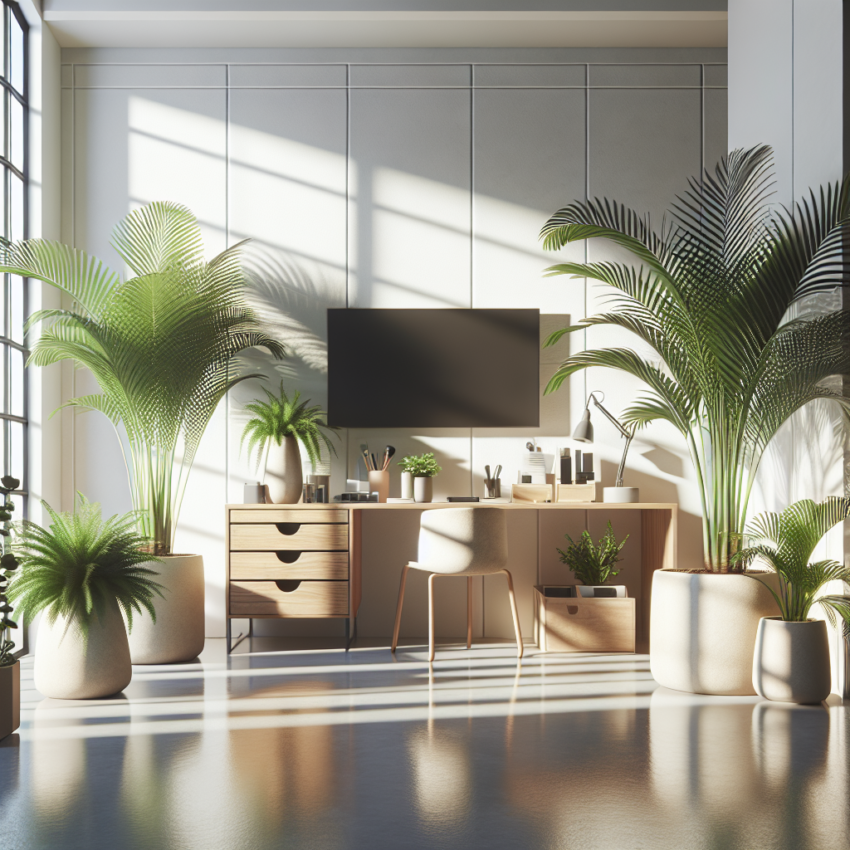
When it comes to enhancing the aesthetics within your home, the rivularis palm, commonly known as the majesty palm, stands out as a popular choice. This elegant palm not only thrives indoors but also adds an exotic flair to any space. Understanding how to care for this plant is key to ensuring its longevity and beauty. Below, we explore vital tips for nurturing your rivularis palm and making it a staple in your indoor garden.
Rivularis Palm: Care and Maintenance
The rivularis palm is characterized by its graceful, arching fronds and can grow significantly when given the proper care. Unlike some other houseplants, this palm requires a bit of attention to detail to flourish. Ensure it receives indirect light, as direct sunlight can scorch its leaves. Placing your majesty palm tree near a window, shielded by a curtain, often provides the ideal lighting conditions.
Watering is crucial; the rivularis palm prefers a moist environment. However, be cautious of overwatering, which can lead to root rot. A consistent schedule of watering once the top inch of soil is dry is recommended. Additionally, maintaining high humidity levels will mimic its natural habitat more closely. Consider misting the leaves regularly or placing a humidity tray beneath the plant.
Soil and Potting Needs
For optimum growth, use a well-draining potting mix rich in organic material. This allows for adequate moisture retention without risking waterlogging. Repotting the majesty palm tree every couple of years encourages healthier growth by refreshing the soil and providing new space for roots to expand. Choose a pot with drainage holes to prevent excess water from accumulating.
Nutrient Requirements
Your rivularis palm benefits from regular fertilization during the growing season, typically from spring through summer. A balanced, water-soluble fertilizer applied monthly can help sustain its vibrant green color and robust growth. During the fall and winter months, reduce fertilization as the plant’s growth naturally slows.
It’s important to monitor mineral accumulation, as over-fertilization can lead to leaf burn. Symptoms such as browning tips may indicate nutrient issues or improper watering habits.
Pest Management and Common Issues
Like any indoor plant, the majesty palm may encounter pests such as spider mites and mealybugs. Regularly inspecting the plant and wiping down leaves with a damp cloth can mitigate these infestations. In case of a severe infestation, insecticidal soap or neem oil can be effective if used as directed.
Yellowing leaves or stunted growth may indicate lighting or watering issues. Adjust the environmental conditions as needed, ensuring that the plant receives the necessary light and moisture levels. Regularly pruning dead or yellowed fronds not only tidies up the appearance but also encourages the growth of new, healthy fronds.
Creating an Ideal Indoor Environment
Ensuring your majesty palm thrives involves creating a suitable indoor climate. Maintaining temperatures between 65°F and 85°F is optimal, as this mimics their native tropical conditions. Avoid placing the plant in drafty areas or near heat sources, as extreme temperature fluctuations can be detrimental.
For plant enthusiasts looking to explore the intersection of plant care and health, this link to a related article offers further insights into how plants can enrich indoor environments and contribute to a serene living space.
The Rivularis Palm’s Role in Indoor Air Quality
Not only is the rivularis palm aesthetically pleasing, but it also contributes to improved indoor air quality. Plants such as the majesty palm can filter toxins from the air, enhancing the purity of your indoor environment. This makes them an excellent choice for homes and offices seeking a natural way to breathe cleaner air.
This role as a natural air purifier is supported by numerous studies examining how houseplants can impact overall health and well-being. For a deeper understanding of the rivularis palm’s benefits, explore additional resources like this informative page on health.
Where to Position Your Majesty Palm
The location of your palm can significantly affect its health and aesthetic impact. Consider placing it in a spacious room where its fronds can gracefully arch without restriction. Ideal locations include living rooms, offices, or any area that could benefit from a touch of nature and elegance.
Strategically placing multiple palms can create an inviting indoor oasis. Ensure that each plant has adequate room for light exposure and air circulation.
In conclusion, cultivating a rivularis palm indoors requires attentive care but can yield a stunning and serene addition to your home’s decor. With proper lighting, watering, and maintenance, your majesty palm tree will flourish, providing visual and health-enhancing benefits.
- The rivularis palm thrives with indirect light and regular watering.
- Use well-draining soil and fertilize monthly during growing seasons.
- Regular pruning and pest inspection are essential for plant health.
- Maintain warm, humid conditions to mimic tropical climates.
- Enhances air quality as a natural purifier, adding aesthetic appeal.
FAQ
What is the ideal light condition for a majesty palm?
Majesty palms thrive in bright, indirect sunlight. Avoid direct exposure to the sun’s rays, which could scorch the leaves.
How often should I water my rivularis palm?
Water your rivularis palm when the top inch of soil feels dry. Typically, this means watering every 7-10 days while ensuring proper drainage.
Can a majesty palm survive in low humidity?
While they can tolerate lower humidity, majesty palms prefer higher humidity levels. Consider misting the plant or using a humidifier to keep your palm healthy.
What common pests affect the majesty palm?
Common pests include spider mites and mealybugs. Regular inspection and cleaning, along with the use of insecticidal soaps, can control these pests.
How can I improve the air quality in my home with plants?
Indoor plants like majesty palms can filter toxins and improve air quality by naturally purifying the air. They are an excellent choice for enhancing health and well-being indoors.