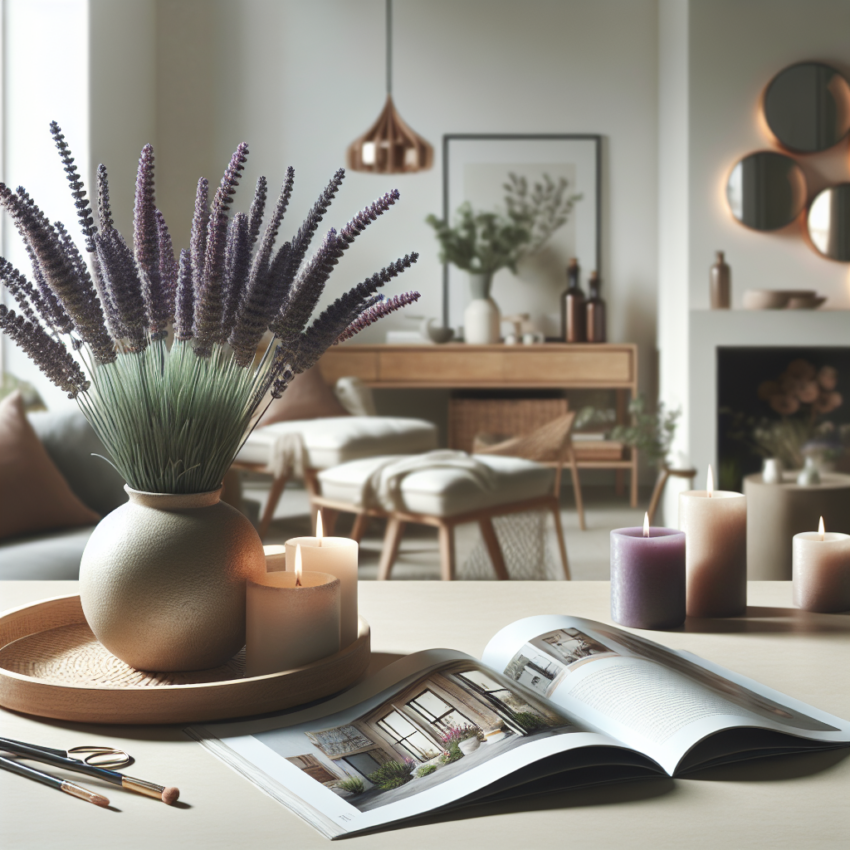
Lavender, known for its calming fragrance and delicate purple blooms, is more than just an ornamental plant for gardens. The lavender plant has been celebrated throughout history for its wide range of benefits, from health and wellness applications to home care solutions. Whether you’re interested in enhancing your wellbeing or seeking natural alternatives for home use, lavender offers diverse advantages worth exploring.
Understanding the Lavender Plant
The lavender plant belongs to the mint family, known for its distinctive fragrance and versatile applications. It’s native to the Mediterranean region and thrives in sunny, well-drained environments. Beyond its aesthetic appeal in gardens, the plant’s flowers and leaves can be utilized for essential oils, culinary recipes, and therapeutic remedies. As a symbol of purity and calm, lavender is integral to many cultures, offering both beauty and utility.
Health Benefits of the Lavender Plant
Lavender is perhaps best known for its potential health benefits. The plant’s essential oil is often used in aromatherapy practices, where its scent may help reduce stress and promote relaxation. Research suggests that lavender may support sleep quality, aid stress management, and even offer comfort to those experiencing mild pain. The plant’s anti-inflammatory and antiseptic properties are also valued in skin care, helping to soothe irritated skin and promote healing.
Aside from its calming effects, lavender is sometimes included in herbal remedies for those seeking natural support during menopause or times of hormonal change. Consult a healthcare provider before using lavender for specific medical purposes, as individuals may respond differently to herbal treatments.
Incorporating Lavender into Your Home
Beyond its health benefits, the lavender plant can transform your home environment. Lavender sachets placed in closets or drawers can naturally repel moths while imparting a pleasant scent. Essential oils derived from lavender can be diffused to refresh and deodorize rooms, creating a welcoming ambiance. Some people also use lavender in homemade cleaning products for its natural antibacterial properties.
Lavender’s culinary uses are equally noteworthy. Dried lavender flowers can enhance the flavor profile of desserts, syrups, and beverages. It’s essential to use culinary-grade lavender when cooking to ensure safety and optimal flavor.
Gardening with Lavender
For those with a green thumb, growing lavender can be a rewarding endeavor. This hardy plant thrives in well-drained, sandy soils and requires minimal watering once established. Gardeners appreciate lavender not only for its beauty but also for its ability to attract pollinators like bees and butterflies. Additionally, the plant is deer-resistant, making it an ideal choice for gardens where wildlife browsing is a concern.
Exploring the Versatility of Lavender
The lavender plant’s versatility has led to its inclusion in a multitude of products, ranging from skincare and home care to culinary and therapeutic items. Its ability to adapt to various uses makes it a favorite among those who value natural, eco-friendly solutions.
For more insights into how plants can support wellness, check out resources like the Wikipedia Health page for general health information.
Conclusion
The lavender plant is a multifaceted ally in promoting relaxation, supporting health, enhancing home environments, and beautifying gardens. By understanding how to utilize its full range of benefits, you can incorporate this timeless plant into various aspects of your life.
From the fragrant blooms to the versatile essential oils, lavender offers natural solutions for those seeking tranquility and elegance. Whether you’re using it in aromatherapy, culinary arts, or as a decorative garden plant, exploring the many uses of lavender can lead to surprising and delightful discoveries.
- Lavender is a versatile plant known for its calming fragrance and uses in health and home care.
- It may support relaxation, stress relief, and skin health.
- Incorporate lavender into your home as a natural deodorizer and culinary ingredient.
- Lavender thrives in sunny, well-drained environments, making it a durable garden plant.
- Consult experts if using lavender for specific medical or hormonal conditions.
What are the main uses of lavender?
Lavender is commonly used for its aromatic properties, in aromatherapy, and for making essential oils. It also finds application in culinary dishes, home care, and skin care products due to its calming and antibacterial properties.
Can lavender help with sleep?
Yes, lavender is often used in aromatherapy to promote relaxation and improve sleep quality. Its calming scent is believed to aid in reducing stress and facilitating restful sleep.
Is culinary lavender different from garden lavender?
Culinary lavender refers to specific varieties that are safe for consumption and have a palatable flavor. Not all lavender is suitable for cooking, so it’s important to use culinary-grade lavender to avoid bitterness or harmful compounds.
How should lavender be cared for in the garden?
Lavender grows best in well-drained soil and sunny locations. It’s a drought-tolerant plant once established, requiring minimal watering. Pruning the plant after flowering can encourage more robust growth and fuller blooms in the following season.
Are there any risks associated with using lavender oil?
While lavender oil is generally considered safe for topical use and inhalation, some individuals may experience allergic reactions or skin irritation. It’s important to do a patch test before widespread application and consult with a healthcare provider for personalized advice when using lavender for health conditions.