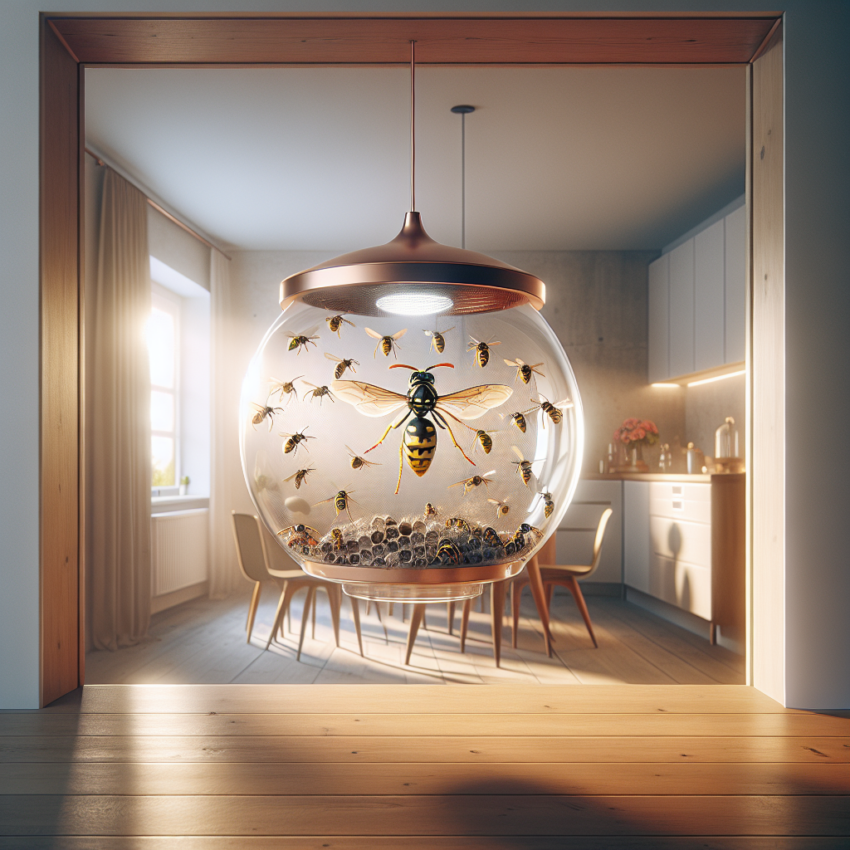
Managing an invasion of wasps around your home can be a challenging task. Whether you’re trying to enjoy a sunny afternoon in the garden or simply ensuring your family feels safe indoors, finding effective wasp traps is crucial. These traps can significantly reduce the number of wasps in your area, providing a safer environment for both humans and pets. In this guide, we’ll explore the best strategies for using wasp traps effectively, helping you maintain a pest-free home and outdoor space.
How Do Wasp Traps Work?
Wasp traps are designed to lure wasps inside through an irresistible bait, which often consists of sweet liquids or protein-rich substances. Once attracted, the wasps enter the trap through a narrow opening and are unable to find their way out. This simple yet effective mechanism keeps your space free of these sometimes-aggressive insects.
It’s important to understand that different traps are available, each suited for various scenarios. Whether you’re going the DIY route or opting for commercial products, having a solid understanding of your needs will ensure you’re using the best possible solutions.
Different Types of Wasp Traps
There are several types of wasp traps available, each with distinct advantages. Here are a few popular options:
- Disposable traps: These are convenient, single-use traps that require minimal maintenance. They typically come pre-filled with bait and are perfect for short-term use.
- Reusable traps: These eco-friendly traps can be used multiple times and refilled with bait as needed. They are cost-effective and sustainable.
- Electric traps: These traps use an electric grid to kill wasps. While effective, they should be used with caution and not positioned in high-traffic areas.
- DIY traps: Using simple household items like plastic bottles, you can create your own traps. These are great for those who love a hands-on approach and have some extra time to experiment.
Setting Up Your Wasp Traps
Where and how you set up your wasp traps can greatly influence their effectiveness. Here are some key guidelines to follow:
- Location: Place traps away from areas frequented by people and pets. Ideal spots include perimeter fences, near compost bins, or close to nesting sites if you can safely identify them.
- Timing: Set traps in early spring before wasp colonies reach their peak population. This timing helps control the queen wasps, reducing future populations.
- Bait choice: Use baits that appeal specifically to the type of wasp you’re dealing with. Sweet baits work well for European wasps, while protein-based baits might attract yellow jackets better.
Maintaining Your Wasp Traps
Regular maintenance ensures the longevity and effectiveness of your traps. Remember to check and empty reusable traps frequently, dispose of the trapped wasps properly, and replace baits as needed. For more information on maintaining a pest-free environment, check this guide to gutter cleaning.
Natural Alternatives to Wasp Traps
For those seeking a more natural approach, consider incorporating certain plants and deterrents that wasps tend to avoid. Plants like mint, eucalyptus, and wormwood can naturally repel wasps. Additionally, wasps are less likely to visit areas surrounding essential oils or sprays made from these plant extracts.
Safety Considerations
When using wasp traps, or any pest control method, safety should always be a top priority. Avoid placing traps in high-traffic areas where children and pets play. It’s also important to wear protective gear when handling and emptying traps to avoid accidental stings.
Furthermore, consult resources like this comprehensive guide on wasps for more detailed information on wasp behavior and safety measures.
In conclusion, effectively managing wasps with well-placed wasp traps can significantly enhance your comfort and safety. Stay diligent about trap placement and maintenance to keep your home and outdoor spaces wasp-free.
- Choose the right type of wasp trap for your particular needs and settings.
- Place traps strategically and maintain them regularly for best results.
- Consider natural wasp deterrents as complementary strategies.
- Safety is crucial—handle traps and wasps cautiously to prevent stings.
FAQs
What is the best bait for trapping wasps?
The most effective baits are typically sweet or protein-based, such as sugar water, fruit juice, or pieces of meat, depending on the wasp species you are targeting.
How often should I check my wasp trap?
Check traps every few days to ensure they remain effective and the bait is fresh. Frequent checks help you dispose of captured wasps and replace baits as needed.
Are wasp traps safe for use around children and pets?
When set up properly in out-of-the-way locations, wasp traps can be safe. Always ensure traps are away from the reach of children and pets, and take precautions during setup and maintenance.
Can wasp traps be used indoors?
Typically, it’s best to use wasp traps outdoors, especially near nesting areas. If you have an indoor wasp issue, consult a pest control professional for safe and effective solutions.
What should I do if I’m stung by a wasp?
If stung, promptly clean the area with soap and water. Apply ice to reduce swelling and take an antihistamine for itching or swelling. Seek medical attention if you experience severe reactions such as difficulty breathing.