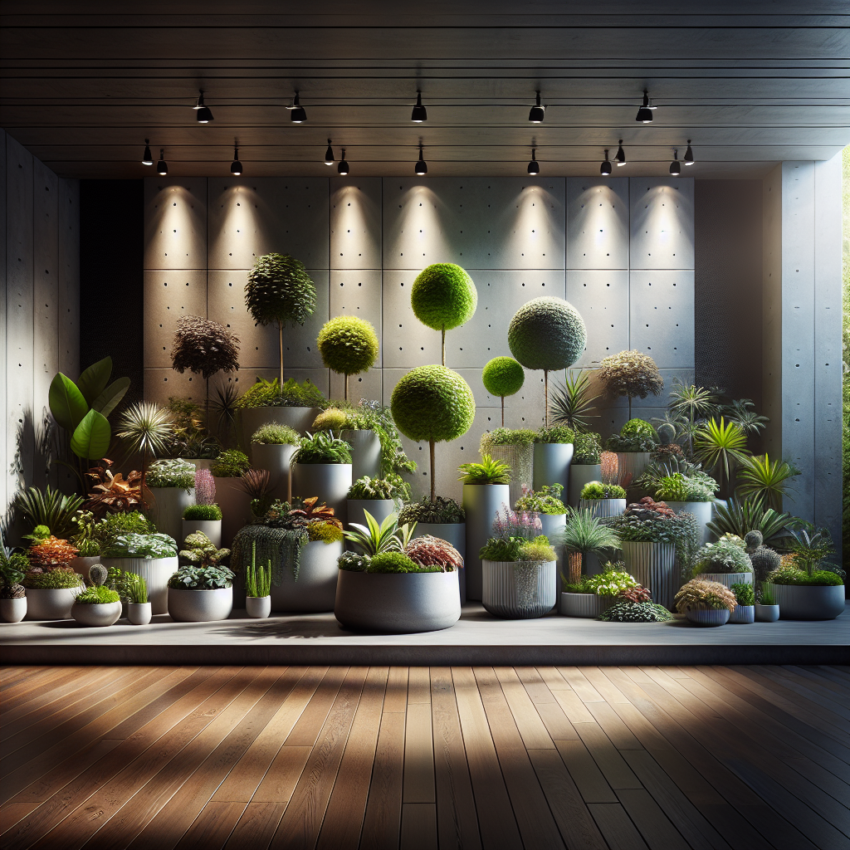
Gardening enthusiasts, both new and seasoned, are increasingly seeking efficient ways to care for their plants. One innovation that stands out is self watering pots, which are designed to help plants thrive with minimal effort. These pots are particularly useful for busy individuals who want to enjoy the benefits of gardening without the constant need for watering.
How Self Watering Pots Work
Self watering pots function by using a reservoir system placed at the bottom of the pot. This reservoir holds water, which is slowly absorbed by the plant through a wick. This method ensures plants receive the right amount of moisture over time, reducing the risk of over or under-watering.
Additionally, self watering pots are ideal for various types of plants, including indoor houseplants and outdoor garden plants. The design is particularly beneficial for those who travel frequently or have a busy schedule, ensuring that their plants remain hydrated in their absence.
Benefits of Self Watering Plant Pots
One of the significant benefits of self watering plant pots is their ability to promote healthier plant growth. By providing a consistent water supply, these pots help in maintaining optimal soil moisture levels, which is crucial for plant health.
These pots can also conserve water, as they minimize evaporation and runoff. For those interested in sustainable gardening practices, using self watering plant pots can be an excellent step towards reducing water waste and maintaining a lush garden.
Types of Self Watering Pots
There are several varieties of self watering pots available on the market, each catering to different gardening needs. From small pots for windowsill herbs to larger containers for outdoor use, the choices are vast.
Indoor Self Watering Pots
Indoor options are often compact and stylish, designed to blend seamlessly with home décor. They are perfect for busy households where frequent watering might be overlooked.
Outdoor Self Watering Pots
These are generally larger and more robust, built to withstand varying weather conditions. Outdoor self watering pots are excellent for patios or small gardens where access to water might be limited.
Considerations When Using Self Watering Plant Pots
While self watering pots provide numerous advantages, it’s crucial to understand their limitations. For instance, not all plants thrive in consistently moist soil, so it’s essential to select the right species for this type of potting system.
Additionally, proper maintenance of the reservoir is important to prevent any issues such as mold or stagnant water, which could affect plant health.
For more detailed irrigation tips, consider reading this guide on irrigation installation systems to complement your self watering pot setup.
Environmental Impact and Sustainability
The environmental benefits of self watering pots extend beyond just conserving water. These systems often reduce the need for chemical fertilizers and pesticides since they promote healthier soil and plant growth.
This aspect aligns well with current trends in sustainable living, where reducing one’s ecological footprint is as vital as maintaining a beautiful garden.
Final Thoughts
Self watering pots offer a practical and efficient solution for those looking to maintain vibrant, healthy plants without the continuous labor that traditional gardening methods require. Whether you are just starting or are a seasoned garden enthusiast, integrating these pots into your routine can greatly enhance the gardening experience.
The promise of effortlessly thriving plants is no small feat, and with the right self watering pots, your garden can indeed flourish with ease.
For a deeper understanding of plant care and sustainability, visit Wikipedia’s article on sustainability.
- Self watering pots use a reservoir to provide consistent moisture.
- They are beneficial for both indoor and outdoor plants, promoting healthy growth.
- These pots are particularly useful for those with busy schedules.
- Choosing the right plants is essential for optimal results.
- Maintenance is minimal but necessary to prevent issues like mold.
Are self watering pots suitable for all plant types?
Not all plants are suited for self watering pots, especially those that prefer drier soil conditions. It’s important to choose plants that thrive with consistent moisture.
Do self watering pots require any maintenance?
Yes, the reservoir in self watering pots needs occasional refilling, cleaning, and monitoring to prevent water stagnation and ensure optimal plant health.
How often should I fill the reservoir of a self watering plant pot?
The frequency depends on the pot size, plant type, and environment, but generally, checking and refilling every one to two weeks is recommended.
Can self watering pots reduce water usage?
Yes, they can be more water-efficient than traditional pots because they reduce evaporation and water runoff, helping to conserve water.
Where can I use self watering pots?
Self watering pots can be used both indoors and outdoors, making them versatile options for a variety of settings, including homes, offices, and gardens.