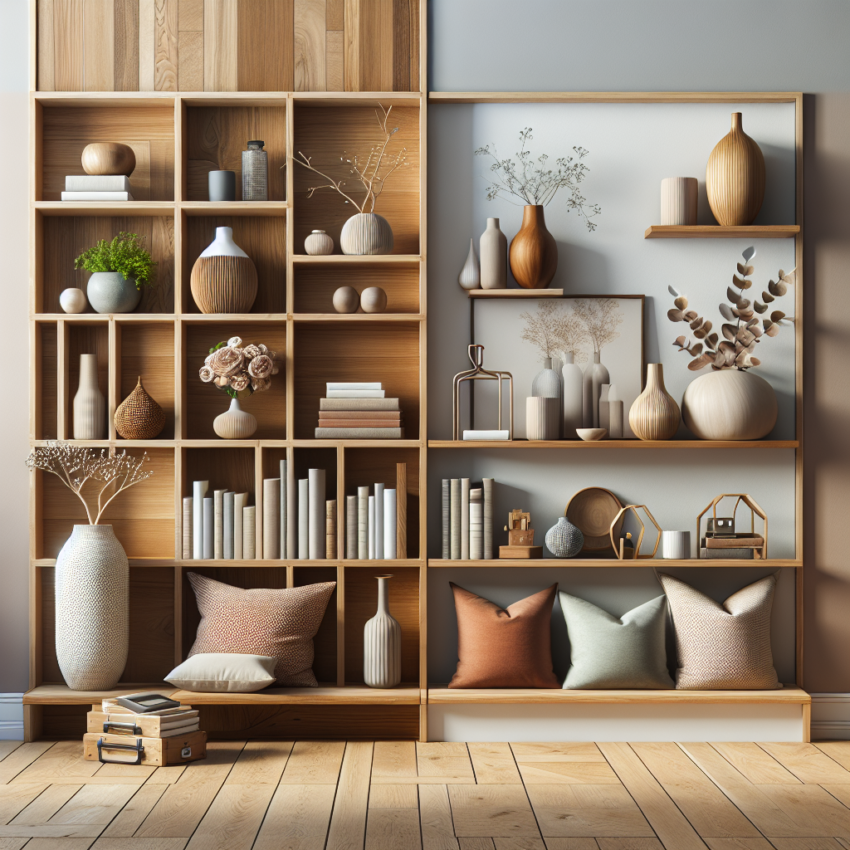
When it comes to enhancing the aesthetics and functionality of your living space, shelves woodworking can be an ideal solution. The art of crafting your own shelves allows for a perfect blend of creativity and practicality, providing bespoke storage options tailored to your specific needs. This guide explores various woodworking ideas to elevate your space with stunning, handmade shelves.
Embrace the Art of Shelves Woodworking
Shelves woodworking is an exceptional way to customize both the look and utility of your home. Whether you’re an experienced carpenter or a DIY enthusiast, woodworking projects offer an opportunity to create pieces that reflect your personal style.
To begin your woodworking journey, you’ll need a few essential tools: a saw, drill, measuring tape, level, and sandpaper. Additionally, selecting the right type of wood is crucial. Common choices include pine, oak, maple, and cherry, each offering unique textures and durability.
Design Ideas for Enhancing Your Space
Whether you’re looking to showcase your book collection or display cherished keepsakes, there are endless design possibilities with shelves woodworking:
- Floating Shelves: Ideal for a minimalist look, floating shelves appear to “float” on the wall. They are perfect for small spaces that require a sleek and functional design.
- Corner Shelves: Make use of neglected corners with L-shaped or triangular designs. These can free up floor space and create a cozy nook for plants or ornaments.
- Geometric Shelves: Add an artistic flair with hexagonal or triangular shelves. These eye-catching designs double as decorative elements while providing storage.
- Reclaimed Wood Shelves: Utilize reclaimed wood for an environmentally friendly option that adds rustic charm and character to any room.
Choosing the Right Finish and Fasteners
Once you’ve decided on a design, the next step involves selecting the right finish and fasteners. This will impact both the aesthetic and safety of your wooden shelves.
Finishes: Consider stains, paints, or seals to protect the wood while complementing your interior decor. A clear varnish enhances the natural beauty of wood grain, while a bold paint color can make the shelves a focal point.
Fasteners: Reinforce your shelves with brackets or wall anchors suitable for the weight they will bear. It’s important to ensure the shelves are securely attached to prevent accidents.
Simple Steps to Create Your Own Shelves
Creating your own shelves starts with careful planning and measuring. Here’s a step-by-step guide to help you through the process:
- Measure the Space: Determine the dimensions of the area where you will install the shelves. Accurate measurements are essential for a perfect fit.
- Cut the Wood: Use a saw to cut your wood to the desired lengths. Precision is key to ensuring your shelves are level and sturdy.
- Sand the Edges: Smooth any rough edges with sandpaper for a polished look and to prevent splinters.
- Assemble the Shelves: Use screws and brackets to assemble the shelves, following your chosen design.
- Install the Shelves: Secure the shelves to the wall using a level to ensure they are straight and even.
The Environmental Impact of Woodworking
Choosing sustainable materials is important for eco-friendly woodworking. Reclaimed or responsibly sourced wood helps reduce environmental impact. Additionally, using non-toxic finishes can improve air quality in your home.
By creating your own shelves, you can also contribute to a more sustainable lifestyle. Custom woodworking reduces reliance on mass-produced items that often have a larger carbon footprint. For more information on sustainable practices, you can visit Wikipedia’s page on Sustainability.
Adding Personality with Decor
After crafting your custom shelves, it’s time to personalize them. Decorate with books, plants, artistic pieces, or family photos to create a cohesive look that reflects your personality.
For tips on incorporating unique decor items like vintage maps, check out our article on how to decorate with vintage maps. Such personal touches will turn your woodworking project into a truly personalized masterpiece.
Embracing shelves woodworking not only enhances your space with custom solutions but also provides an opportunity to express your creativity and environmental consciousness. Whether you opt for a simple, sleek design or an elaborate, artistic style, your handmade shelves will surely become a star feature in your home.
- Shelves woodworking provides custom storage solutions.
- Choose sustainable materials for an eco-friendly impact.
- Personalize your shelves with decorative elements.
- Consider various styles like floating or geometric shelves.
- Use the right tools and techniques for safe installation.
What types of wood are best for shelves woodworking?
Common choices include pine, oak, maple, and cherry. Each type of wood offers different textures and levels of durability, so consider the look and strength you need for your project.
Can I create shelves without power tools?
While power tools can make the process easier and faster, you can still create simple shelves with basic hand tools like a hand saw, hammer, and screwdriver. Precision and patience are essential when working manually.
How can I ensure my shelves are level?
Using a level during installation is crucial for ensuring that shelves are straight. Measure and adjust as necessary, marking your wall before drilling or screwing in fasteners for accuracy.
What safety precautions should I take during woodworking?
Always wear protective eyewear and gloves when working with wood and tools. Ensure your workspace is well-ventilated, especially when applying finishes, and follow all safety guidelines for power tool use.
How can shelves woodworking benefit small living spaces?
Custom shelves maximize available space by fitting perfectly into your room’s dimensions. Options like floating shelves are particularly suitable for small spaces, as they provide storage without taking up floor area.