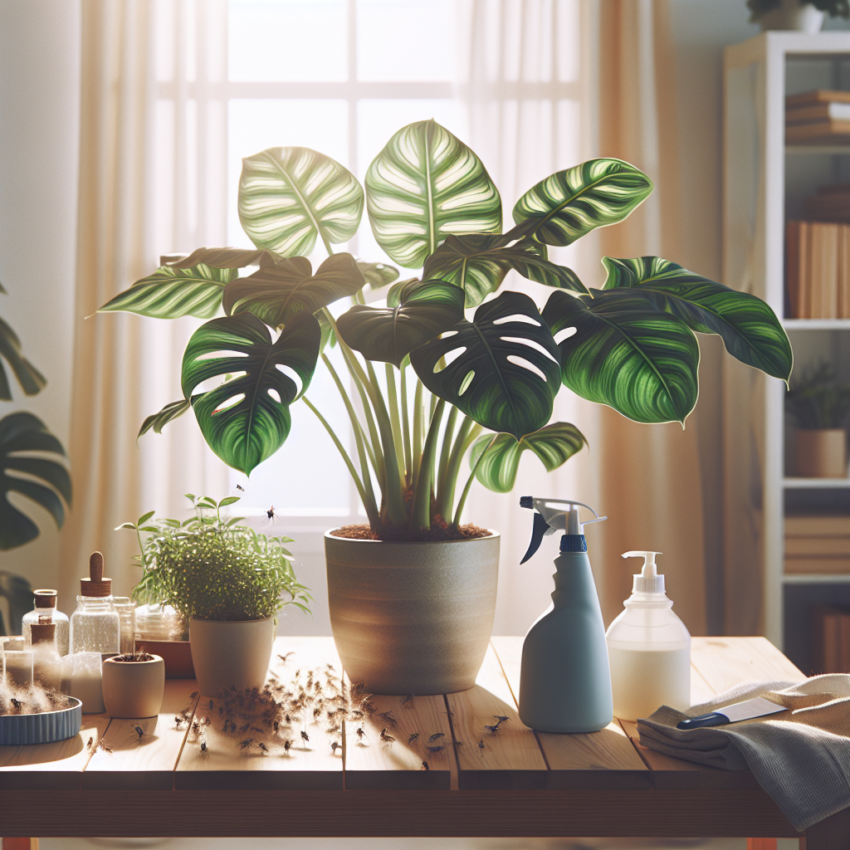
Fungus gnats are a common nuisance in homes, especially for plant enthusiasts. These small flies thrive in the moist soil of houseplants and can quickly become a persistent problem. Understanding how to get rid of fungus gnats effectively can help maintain a healthy home environment.
How to Get Rid of Fungus Gnats
Fungus gnats are attracted to the moist organic materials found in potting soil. While they do not cause significant damage to plants, their presence can be bothersome. Here’s a step-by-step guide to eliminate these pesky insects effectively:
1. Dry Out the Soil
One simple method to control fungus gnats is to let your plant’s soil dry out between waterings. Fungus gnats thrive in moist environments, so reducing soil moisture can help break their breeding cycle. Be cautious, though, as some plants may not tolerate dry soil well.
2. Use Yellow Sticky Traps
Yellow sticky traps can be an effective physical control method. Place these traps near the infested plants to capture adult gnats. This helps reduce the population and can be part of an integrated pest management strategy.
3. Introduce Beneficial Nematodes
Beneficial nematodes are microscopic worms that can be applied to the soil to naturally control fungus gnats. They parasitize gnat larvae, preventing them from maturing into adults. These nematodes are safe for both plants and pets.
4. Change Potting Soil
If an infestation is severe, consider repotting your plants with fresh potting soil. Remove as much of the old soil as possible to eliminate any remaining larvae. This can help start a new cycle free from gnats.
5. Consider Bacillus thuringiensis (Bt)
Bacillus thuringiensis israelensis (Bti) is a naturally occurring bacterium that targets fly larvae. It is safe for use around humans and pets and can be applied as a liquid drench or in granular form.
6. Practice Good Watering Habits
Preventing gnat infestations is often about good watering practices. Ensure proper drainage, avoid overwatering, and allow the top layer of soil to dry out between waterings. This routine can discourage gnats from laying eggs.
Monitor and Maintain
Once you have taken steps to eliminate fungus gnats, continual monitoring is crucial. Inspect your plants regularly for signs of re-infestation and adjust care practices as needed to maintain a gnat-free home.
For more health and environmental tips, you might find our Health Category articles insightful and beneficial.
Natural Remedies vs. Chemical Treatments
While natural remedies are generally safer and environmentally friendly, chemical treatments might be necessary for severe infestations. Always consider the safety of children and pets when choosing a solution. Natural methods such as neem oil, essential oils like rosemary or tea tree, can also aid in gnat control.
Avoid Common Mistakes
When addressing fungus gnats, avoid common mistakes such as leaving standing water in saucers or misusing insecticides. Over-application or incorrect use of chemicals can harm plants and beneficial insects.
Gaining a healthy home environment involves more than just plant care. For further guidance on improving your indoor space, consider reading resources like this Wikipedia health article.
Understanding how to get rid of fungus gnats takes a holistic approach that combines environmental changes, natural methods, and, if necessary, minimal chemical intervention. With patience and proper practices, you can enjoy a healthier, pest-free home.
- Fungus gnats can be controlled by managing soil moisture.
- Yellow sticky traps help reduce the population of adult gnats.
- Beneficial nematodes provide a natural way to target larvae.
- Replacing potting soil may be necessary for severe infestations.
- Regular monitoring is key to preventing future infestations.
FAQs
What are fungus gnats?
Fungus gnats are small flies that are commonly found around houseplants. They thrive in moist potting soil and feed on fungi and organic matter.
Are fungus gnats harmful to my plants?
While they don’t typically harm mature plants, fungus gnats can damage seedlings or young plants by feeding on their roots.
Can I use essential oils to deter fungus gnats?
Yes, essential oils like rosemary and tea tree oil may help repel adult fungus gnats when used correctly.
How long does it take to get rid of fungus gnats?
The time needed depends on the severity of the infestation and the methods used. Regular monitoring and treatment can gradually eliminate them over a few weeks.
Is it safe to use household chemicals on my plants?
Chemical use should be limited and carefully managed to reduce risks to plants, humans, and pets. Always follow label instructions.