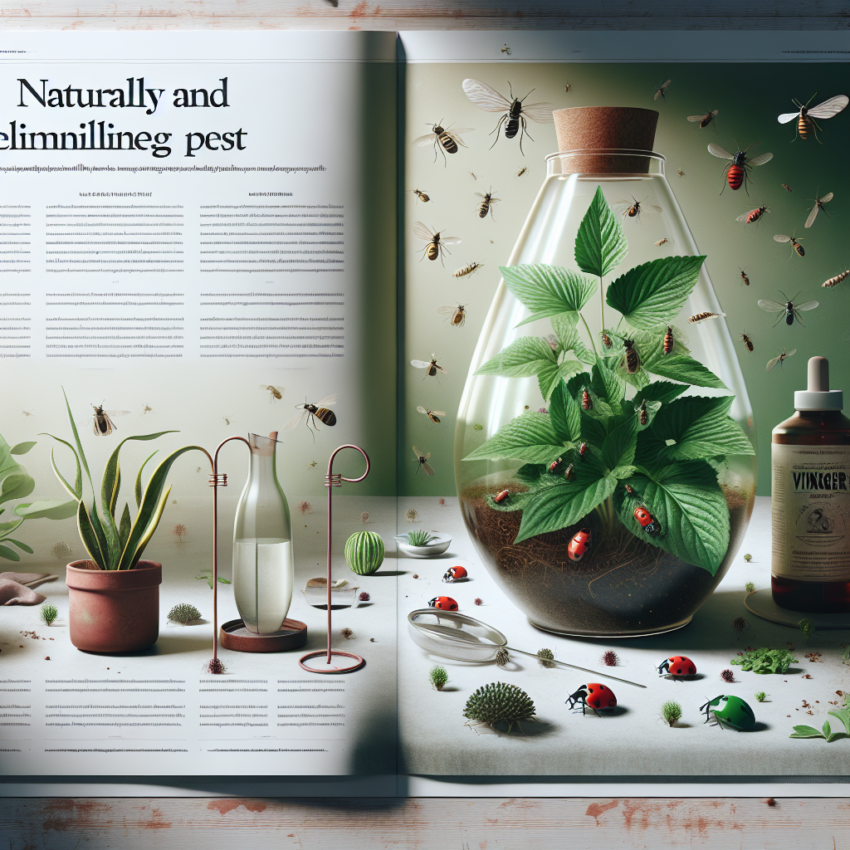
Are you tired of tiny insects buzzing around your beloved houseplants? You’re not alone. Many plant enthusiasts frequently encounter the pesky nuisance of gnats. If you’ve found yourself searching for how to get rid of gnats in plants, you’re in the right place. Thankfully, there are effective and natural methods to tackle this issue, ensuring your indoor garden stays vibrant and gnat-free.
Understanding the Gnat Problem
Before diving into solutions, it’s important to understand why gnats appear in the first place. Fungus gnats, a common type, are attracted to moist soil where they can lay their eggs. Once hatched, larvae feed on fungus or decaying plant material, sometimes damaging young roots. This is particularly true for overwatered houseplants, which create an ideal breeding ground.
How to Get Rid of Gnats in Plants
There are several natural strategies you can employ to eradicate gnats in houseplants without resorting to harmful chemicals. These methods not only work effectively but also maintain the health and integrity of your plants.
1. Adjust Your Watering Practices
One of the simplest adjustments is altering how you water your plants. Allow the top inch of soil to dry out completely between waterings. This makes it a less suitable environment for gnats to thrive, as they favor damp conditions.
2. Use a Homemade Apple Cider Vinegar Trap
A homemade apple cider vinegar trap can capture adult gnats. Fill a shallow dish with apple cider vinegar, add a few drops of dish soap, and place it near affected plants. The vinegar attracts gnats, while the soap decreases surface tension, trapping them.
3. Introduce Beneficial Nematodes
Beneficial nematodes can naturally combat gnat larvae in the soil. These microscopic organisms seek out and eliminate larvae, which helps reduce the gnat population effectively without harming your plants.
4. Implement Sticky Traps
Yellow sticky traps can be an effective means of catching flying adult gnats. Place these traps in the soil of your houseplants. The vibrant color attracts gnats, and once they come in contact, they stick to the surface.
Preventing Future Infestations
Prevention is key to maintaining gnat-free houseplants. Beyond remedying current infestations, consider adopting preventive measures to ensure your plants stay healthy and your home remains free from these pests.
Improving Soil Drainage
Ensuring good soil drainage is crucial. Use pots with drainage holes and consider adding perlite or sand to your soil mix to facilitate water movement.
Quarantining New Plants
Always quarantine new plants before introducing them to your collection. This practice helps prevent bringing in new infestations. Inspect the soil and leaves for any signs of pests before integrating them with other plants.
Maintaining Cleanliness
Regularly cleaning your plants and their environment helps eliminate any potential breeding grounds for gnats. Remove any dead leaves or debris that may accumulate around your plants, as these can provide food for larvae.
Embracing these methods not only addresses how to get rid of gnats in plants but also fosters a healthier indoor garden.
For more tips on home styling, you might find our article on decorating with vintage maps insightful.
Resource for Further Reading
If you’re interested in more detailed information on plant care, you may want to check out this Wikipedia article on houseplants for a comprehensive overview.
Takeaways
- Adjust watering practices to prevent moist conditions that attract gnats.
- Use homemade traps like the apple cider vinegar solution to capture gnats.
- Introduce natural predators, such as beneficial nematodes, to control larvae.
- Implement preventive measures by improving soil drainage and plant quarantine.
Frequently Asked Questions
What causes gnats in houseplants?
Gnats are commonly attracted to the moist soil of overwatered plants. They lay eggs in damp environments, which hatch into larvae and feed on soil fungi.
How can I use vinegar to get rid of gnats?
Create a trap with apple cider vinegar and dish soap in a shallow dish. Vinegar attracts the gnats, and the soap traps them, effectively reducing the adult population.
Are gnats harmful to my plants?
While adult gnats are generally harmless, their larvae can damage roots by feeding on them, particularly in seedlings and young plants.
Can essential oils repel gnats?
Some essential oils, like peppermint or citronella, may repel gnats. However, results can vary, and they should be used with caution as some may harm sensitive plants.
How often should I replace sticky traps?
Sticky traps should be replaced once they become filled with gnats or lose their stickiness to remain effective in capturing adult insects.