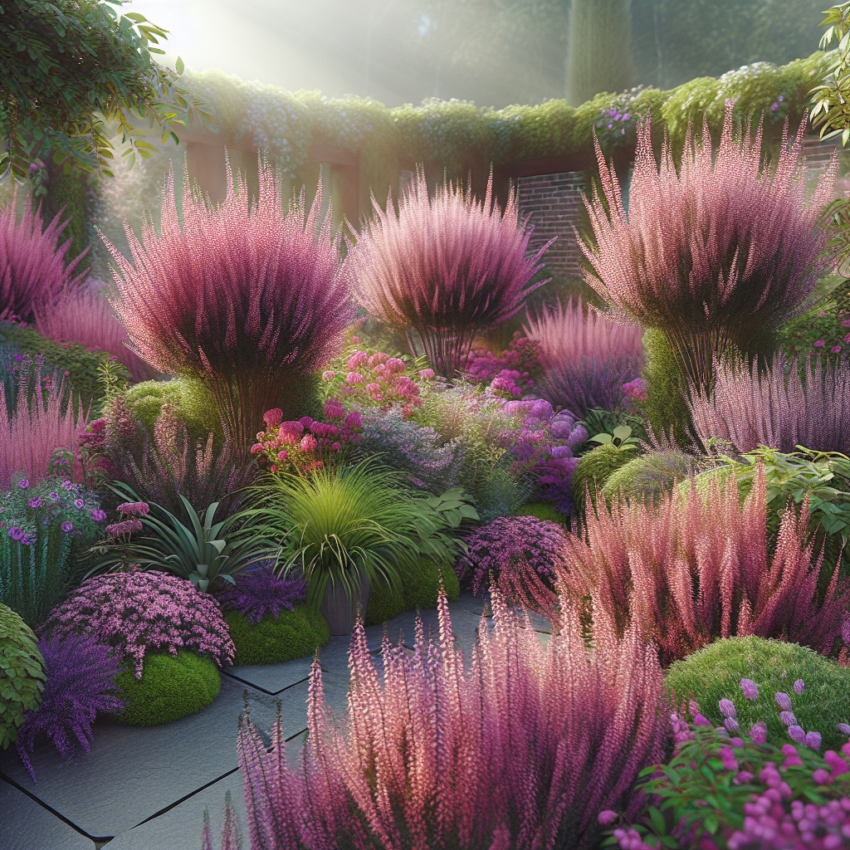
Creating a garden oasis filled with vibrant colors and lush foliage is a dream for many gardening enthusiasts. One plant that can help achieve this vision is the heather flower. The plant heather flower, known for its dense clusters of small blooms and evergreen foliage, adds a touch of elegance to any garden. These flowers are not only beautiful but also attract pollinators and can thrive in a variety of conditions.
Caring for Your Heather Plants
When you plant heather flowers in your garden, it’s important to understand their specific needs for optimal growth. Heather plants prefer well-draining, acidic soils and can tolerate poor soil quality. Regular watering is crucial during the establishment phase, although established plants are relatively drought-tolerant.
Ideal Growing Conditions
Heather plants thrive in full sun but can tolerate partial shade. They are hardy in various climates, but their blooms are most vibrant when they receive ample sunlight. For more on ensuring your garden has the right hydration levels, consider exploring this guide on irrigation installation systems.
Planting and Spacing
To create a visually appealing landscape, plant heather flowers in groups. This arrangement emphasizes their natural beauty and enhances the garden’s aesthetic. Space the plants about 18 to 24 inches apart to allow them ample room to spread as they mature.
Benefits of Heather in Your Garden
The inclusion of heather in your garden offers several advantages. Not only do these plants provide vibrant colors, but they also contribute to ecological benefits such as attracting bees and butterflies. Furthermore, heather’s evergreen foliage ensures a consistent ground cover even during off-season months.
Seasonal Beauty
Heather plants showcase a stunning array of colors throughout the year. Their blooms can range from white to pink to deep purple, providing a year-round spectacle of vibrant hues. During colder months, the foliage’s bronze and red tones add warmth and interest to the garden.
Low-Maintenance Elegance
One of the most appealing attributes of heather is its low-maintenance nature. With minimal pruning and watering needs once established, these plants are perfect for gardeners seeking beauty without the hassle. Regular deadheading can promote new growth and prolong blooming seasons.
Wildlife Friendly
Heather plants are a boon for the local ecosystem. They offer a rich nectar source for pollinators and serve as a habitat for various insects. Incorporating heather into your garden supports biodiversity and promotes a healthier environment.
How to Incorporate Heather into Your Garden Design
When planning your garden design, consider how heather’s unique textures and colors can complement existing plants. They pair well with rocks and alpine plants, making them ideal for rock gardens or borders. Heather also combines beautifully with other acid-loving plants, creating a cohesive and harmonious landscape.
Mixing with Other Plants
Combine heather with perennial grasses, junipers, and conifers to create a striking visual contrast. This mixture adds depth and variety to your garden space. Additionally, complementing heather with plants like lavender and rosemary can enhance the aromatic experience in your garden oasis.
Utilizing Heather in Containers
If you don’t have ample garden space, consider planting heather flowers in containers. This method not only saves space but also allows for mobile garden arrangements, perfect for patios and terraces. Using containers ensures you can manage soil acidity more easily.
Conclusion
Incorporating the plant heather flower into your garden not only enhances its beauty but also supports local wildlife and offers easy maintenance. With thoughtful planning and care, heather can transform your outdoor space into a serene garden oasis. Learn more about enhancing your garden with plant diversity by visiting this informative source.
- Heather is a versatile and visually striking plant for any garden.
- They require well-draining, acidic soil and thrive in full sun.
- Once established, heather plants are low maintenance and drought-tolerant.
- Heather blooms year-round, providing continuous color.
- Encourages local wildlife by attracting pollinators.
FAQ
What soil is best for growing heather?
Heather thrives in well-draining, acidic soil. If you have alkaline soil, consider amending it or using containers where soil composition is more easily controlled.
How often should I water my heather plants?
During their initial establishment, heather plants require regular watering. Once established, they are more drought-tolerant, needing less frequent watering.
Can heather be used in a rock garden?
Yes, heather is an excellent choice for rock gardens. Their low-growing habit and vibrant colors complement rocky landscapes beautifully.
Does heather attract bees?
Absolutely. Heather plants are known for attracting bees and other pollinators, contributing positively to biodiversity.
What other plants pair well with heather?
Heather pairs well with conifers, perennial grasses, lavender, and rosemary, creating a diverse and aromatic garden landscape.