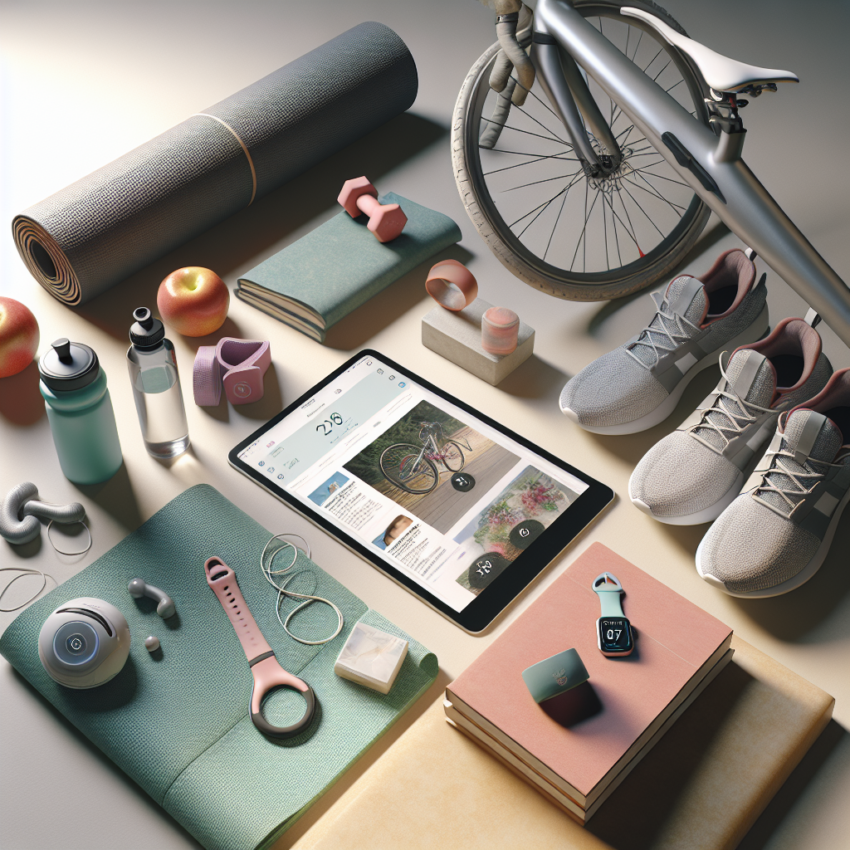
Embracing a lifestyle that keeps you all in motion is not just about constant activity; it’s a holistic approach to well-being and productivity. When we talk about staying all in motion, we’re referring to a mindset that promotes physical movement, mental agility, and emotional flexibility, allowing you to adapt to the modern world’s demands. In this article, we will explore how you can integrate this dynamic lifestyle into your daily life, enhancing both your well-being and efficiency.
Why It’s Important to Keep All in Motion
Many people perceive being all in motion as a hectic lifestyle, but it’s more about maintaining a balance that encourages ongoing progress and growth. When you incorporate movement into various aspects of your life, you foster a healthier and happier existence. Constant motion is beneficial for the body and soul alike, positively impacting physical health, mental clarity, and emotional stability.
Physical activity is crucial for maintaining good health. Regular movement can help prevent chronic diseases, boost energy, and improve mood. Mentally, it keeps your brain function sharp, enhancing cognitive skills and aiding in stress reduction. Emotionally, staying dynamic can help you feel more balanced and resilient to life’s challenges.
Integrating Physical Activity
Physical movement is a core component of keeping all in motion. Here are some ways to incorporate it into your lifestyle:
- Active Commute: Consider walking or cycling to work to incorporate exercise naturally into your routine.
- Fitness Breaks: Take short breaks during work to stretch or do a quick workout, keeping your body energized.
- Hobbies with Movement: Engage in hobbies that require physical activity such as dancing or gardening.
Boosting Mental Motion
To truly be all in motion, your mental state must also be kept active and healthy. Here are a few strategies to stimulate mental agility:
- Lifelong Learning: Engage in continuous learning to keep your mind sharp and adaptable. Take courses or attend workshops in areas of interest.
- Meditation and Mindfulness: Practices such as yoga and mindfulness meditation can enhance focus and reduce mental clutter.
- Reading and Puzzles: Stimulate your brain with literature and puzzles, which promote critical thinking and problem-solving.
Emotional Flexibility in Motion
Emotional health is central to a life all in motion. It involves being adaptive and resilient in the face of life’s ups and downs. Here are ways to nurture emotional dynamism:
- Journaling: Track your thoughts and emotions to understand patterns and manage stress effectively.
- Social Connections: Maintain a strong support system by fostering relationships with friends and family.
- Active Listening: Practice genuinely listening to others, enhancing empathy and emotional understanding.
Work-Life Balance: Staying Active
Creating a work-life balance is essential to maintaining a life all in motion. Striking this balance can enhance productivity and satisfaction This concept is explored further in our article on finding focus through calm and balance.
Case for Continuous Motion in Lifestyle Choices
Nurturing a lifestyle that keeps you all in motion is a choice that positively influences multiple facets of life. Integrating the practices mentioned can gradually lead to enhanced wellness and efficiency, alongside personal fulfillment. Remember, the goal is not to be constantly busy, but to find a rhythm that promotes active growth.
For further reading, you may find more comprehensive insights on the importance of staying active in daily life in this health article.
- All in motion encompasses physical, mental, and emotional activity.
- Regular movement can enhance both physical health and mental clarity.
- Mindful practices promote emotional resilience and adaptability.
- Balancing work and life is crucial for sustainable motion.
- Continuous personal growth is the ultimate aim of being all in motion.
What does all in motion mean?
All in motion signifies a lifestyle that incorporates holistic movement across physical, mental, and emotional dimensions, encouraging active growth and progress.
How can I start incorporating more physical activity into my routine?
Begin by identifying opportunities for movement in your daily routine, such as walking during your commute or engaging in hobbies that require physical activity.
What mental activities can keep my brain active?
Mental activities that can keep your brain active include reading, solving puzzles, learning new skills, and practicing mindfulness techniques.
How can emotional flexibility be improved?
Emotional flexibility can be enhanced through journaling, maintaining strong social connections, and practicing active listening to better understand and manage your emotions.
Why is a balanced lifestyle important?
A balanced lifestyle is important because it ensures sustainability, preventing burnout while enhancing productivity and overall well-being.