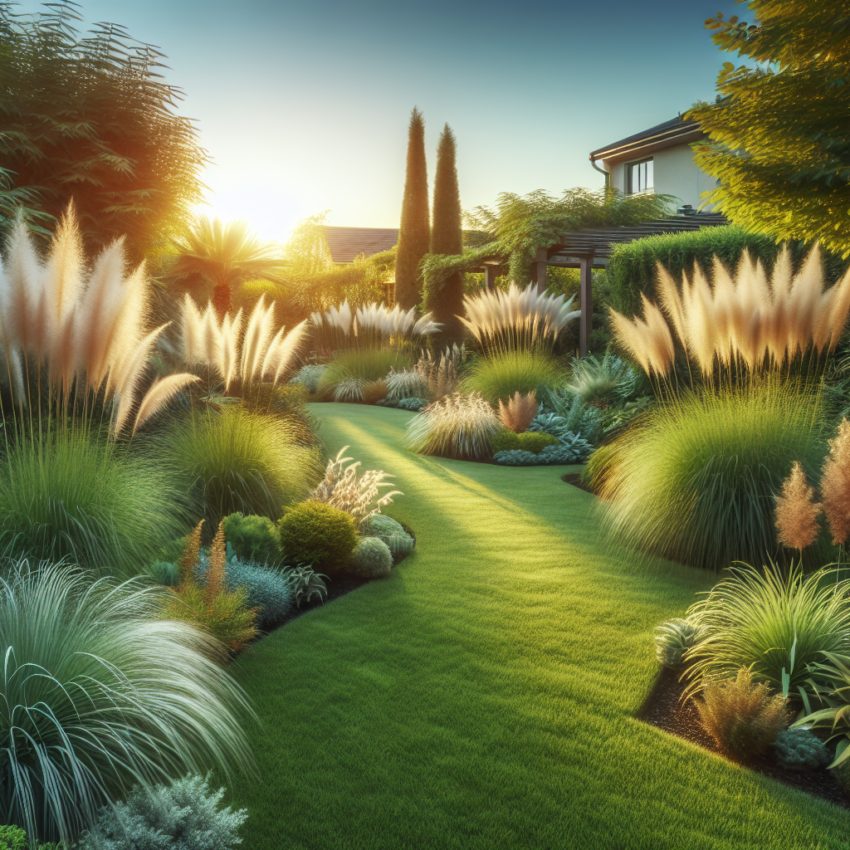
Enhancing your garden aesthetics with maiden grass is an excellent choice for gardeners looking to add texture, movement, and natural beauty to their outdoor spaces. Maiden grass, known for its graceful, arching leaves and feathery plumes, offers visual interest throughout the seasons. Whether you’re a seasoned gardener or a novice, incorporating this ornamental grass into your garden design can transform your landscape into a serene and elegant retreat.
The Beauty and Benefits of Maiden Grass
Maiden grass, also known as Miscanthus sinensis, is appreciated not only for its ornamental appeal but also for its low maintenance requirements. This grass thrives in a variety of climates and soil types, making it a versatile choice for many gardeners. The tall, lush foliage creates a dramatic effect when planted as a backdrop or used as a privacy screen. Additionally, its plumes add beauty and softness as they sway gently in the breeze, providing a dynamic element to the garden.
Varieties of Maiden Grass
There are several varieties of maiden grass to consider, each offering unique characteristics in terms of color, size, and flowering patterns. For instance, the ‘Gracillimus’ variety is popular for its slender leaves and bronze blooms, making it a favorite for formal garden designs. Alternatively, ‘Morning Light’ offers a more subtle display with its silvery-green hues and fine-textured foliage, ideal for brightening up shady areas.
Planting and Care Tips
While maiden grass is relatively easy to maintain, proper planting and care are essential for its successful growth. Choose a location that offers full sun to partial shade and well-drained soil. It’s important to water newly planted maiden grass regularly until it’s established. Once mature, it is drought-tolerant and requires minimal watering.
Pruning is another key aspect of care. In the late winter or early spring, before new growth emerges, cut back the old, brown stems to a few inches above the ground. This encourages healthy, lush growth in the spring and helps maintain a tidy appearance.
Using Maiden Grass in Garden Design
Maiden grass can be creatively used in various garden designs. Its tall, arching stems make it perfect for mixed borders, pairing well with perennials such as coneflowers and black-eyed Susans. For a modern touch, consider planting maiden grass in container gardens or as a standalone specimen in a minimalist landscape.
Furthermore, maiden grass can serve practical purposes in the landscape, such as erosion control on slopes or as a buffer against windy sites. Its dense root system helps stabilize the soil, while its tall stature offers a windbreak effect.
Combining Maiden Grass with Other Elements
To create a harmonious garden, consider blending maiden grass with other textures and colors. Pair it with evergreen shrubs to provide contrast and year-round interest. Additionally, it complements water features well, where its reflection and movement can enhance the tranquil atmosphere.
For those looking to incorporate hardscaping elements, maiden grass can soften the edges of pathways or act as a natural divider along a property line. To learn more about integrating such landscaping features into your garden, see our guide on resurfacing a concrete driveway for garden transformation.
Choosing the Right Maiden Grass for Your Space
When selecting maiden grass for your garden, consider the space available and the desired visual impact. Compact varieties are suitable for smaller areas or container gardening, while taller varieties make impressive focal points. Tailor your choice to complement existing plants and the overall theme of your garden.
- Maiden grass offers year-round interest and requires minimal maintenance.
- It can be used in various garden designs, from formal to contemporary.
- Regular pruning in late winter encourages new, healthy growth.
- Choose from a variety of maiden grass types to suit your garden space.
- Beneficial for erosion control and as a natural windbreak.
What is the best time to plant maiden grass?
The optimal time to plant maiden grass is in the spring or fall, allowing it to establish its roots before the heat of summer or the cold of winter.
Does maiden grass require a lot of water?
Once established, maiden grass is drought-tolerant and requires minimal watering. However, regular watering is essential during its initial planting period.
Can maiden grass thrive in shaded areas?
Maiden grass prefers full sun to partial shade but can tolerate light shade. However, it’s essential to note that too much shade could result in fewer blooms and weaker growth.
How tall does maiden grass grow?
Depending on the variety, maiden grass can grow anywhere from 3 to 10 feet tall. Ensure you choose a variety that fits well with your garden’s scale.
Are there any pests or diseases that affect maiden grass?
Maiden grass is generally pest-resistant and disease-free, making it a resilient choice for gardens. However, keeping the area around the grass clean and well-drained can help prevent any potential issues.
In conclusion, introducing maiden grass into your garden’s design can provide not only aesthetic beauty but also practical benefits such as soil stabilization and privacy screening. With its adaptability and range of varieties, maiden grass is an excellent choice for gardeners aiming to elevate their landscapes. For more on general health and environmental considerations, see this comprehensive overview on maintaining a sustainable environment. Embrace maiden grass as part of your garden’s ensemble, and enjoy its graceful presence throughout the year.