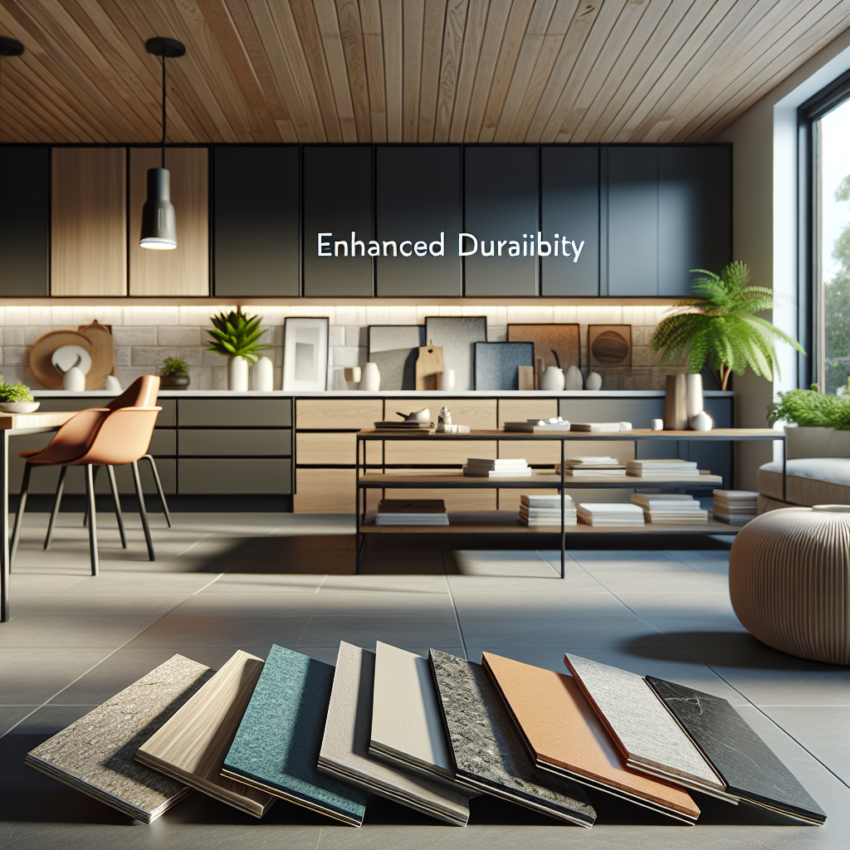
When embarking on a home renovation project, one of the most critical decisions you’ll make is selecting the right backer board. These boards, often used as a base for tiles installed on floors and walls, are vital in ensuring your home’s durability. By providing structural support and moisture resistance, backer boards help in prolonging the lifespan of your newly renovated spaces.
Understanding Backer Board
Backer board, often used under tile or stone installations, provides a solid foundation and helps keep moisture and mold at bay. Unlike drywall, which can deteriorate when exposed to water, backer boards are designed to withstand humid conditions, making them essential for bathrooms and kitchens.
Various types of backer board materials are available, each suitable for different applications. Cement backer boards and fiber cement boards are popular for their durability and water-resistant properties. Gypsum-based backer boards are lightweight and easier to cut, broaden their appeal for interior uses.
Types of Backer Board
The choice of backer board material can significantly impact both the durability and appearance of your tiling project. Here’s a closer look at some common types:
Cement Backer Boards
Cement backer boards are composed of cement and reinforcing fibers, making them highly durable and resistant to moisture. They are ideal for floors and wet areas, such as bathrooms. However, they can be heavy and require careful installation to avoid cracking.
Fiber Cement Boards
Similar to cement boards, fiber cement boards are crafted from cellulose fibers and cement. They provide excellent strength and moisture resistance while being slightly lighter than pure cement boards. This makes them easier to handle during installation.
Gypsum-Based Boards
Gypsum-based boards, such as drywall, are lightweight and easy to cut, making them convenient for interior installations in dry areas.
Installation Considerations
Proper installation of backer boards is crucial for ensuring a stable surface for tiling. Here are some tips for successful installation:
Preparation
Before installing a backer board, ensure that the subfloor or wall is clean, dry, and level. Remove any debris or protrusions that might affect adhesion or alignment.
Cutting and Fitting
Measure and cut the backer board to fit the desired space accurately. Use appropriate tools, such as a carbide-tipped scoring knife or a power saw with a cement board blade, and wear protective gear to prevent dust inhalation.
Securing
Secure backer boards with corrosion-resistant screws every few inches. Follow the manufacturer’s instructions to ensure proper spacing and installation techniques, which can prevent future tile cracking or shifting.
Consider using cost-effective solutions for home improvement projects to make your renovation more affordable.
Advantages of Using Backer Boards
Choosing backer boards has several advantages for enhancing your home’s durability:
Moisture Resistance
The main benefit of backer boards is their ability to resist moisture, which helps prevent mold growth and water damage. This makes them essential for areas like bathrooms and kitchens.
Enhanced Stability
Backer boards provide a stable surface that supports tiles, reducing the risk of cracking and extending the longevity of your tile installations.
Versatility
From floors and walls to countertops and backsplashes, backer boards can be used in a variety of applications, making them a versatile choice for many projects.
Maintaining Your Investment
Proper maintenance of your backer board and tile installations will ensure long-lasting results:
Regular Cleaning
Keep your tiles clean to prevent dirt and grime buildup. Use appropriate cleaning solutions for your specific type of tile and grout.
Inspect for Damage
Conduct routine inspections to identify any cracks or chips in the tiles or grout lines, and address them promptly to prevent further damage.
Seal Grout
Regularly applying a sealant to grout lines can enhance moisture resistance and reduce the likelihood of staining.
For more information on improving home durability, you may explore related articles on external sites like Wikipedia’s construction page.
Conclusion
The right backer board can significantly enhance your home’s durability by providing a firm, water-resistant foundation for your tiles. Whether you’re working in a bathroom or kitchen, it’s essential to choose the backer board that best suits your project needs and climate conditions.
- Backer boards come in various materials like cement and fiber cement.
- They are critical for moisture resistance and structural stability.
- Proper installation is key to ensuring maximum benefit.
- Regular maintenance helps prolong the life of your installations.
- Backer boards are a versatile solution for many tiling applications.
What is a backer board used for?
Backer boards are primarily used as a substrate for tile installation on floors, walls, and countertops, providing moisture resistance and stability.
Can I install tiles directly on drywall?
While it’s technically possible, it is not recommended to install tiles directly on drywall in areas exposed to moisture. Using a backer board is a more durable solution.
Are there lightweight backer board options?
Yes, gypsum-based boards are lighter than cement-based options, making them suitable for non-moisture-prone areas.
How often should I seal my grout lines?
Sealing grout lines every six months to a year can help maintain their moisture resistance and minimize staining.
Is a vapor barrier necessary behind backer boards?
A vapor barrier is often recommended behind backer boards, especially in wet areas, to prevent moisture infiltration and mold growth.