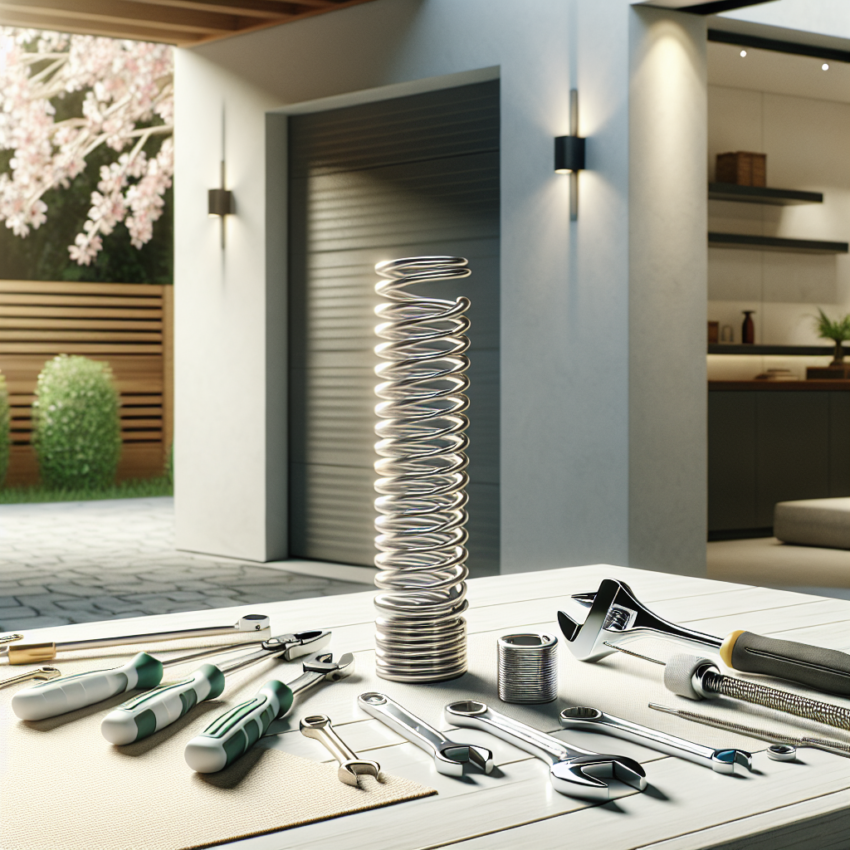
Maintaining a smoothly functioning home requires attention to various components, particularly those that we depend on daily but often overlook. One such component is the garage door, an essential element of home infrastructure. If you’ve ever experienced a malfunctioning garage door, you know the inconvenience it can cause. This guide addresses the important task of garage door spring replacement, providing insights to ensure your garage door operates efficiently and safely.
Understanding Garage Door Spring Replacement
Garage door springs are pivotal in the operation of garage doors, as they balance the door’s weight, making it easy to open and close. Over time, these springs can wear out, necessitating a replacement. Properly functioning springs are crucial not just for convenience but also for safety. When your garage door shows signs of struggling or refusing to open, it’s likely time to consider a garage door spring replacement.
Types of Garage Door Springs
Before delving into the replacement process, it’s important to know the types of springs used in garage doors. The two main types are:
- Torsion Springs: Mounted above the garage door, torsion springs use torque to help the door open smoothly. They are known for their durability and efficiency.
- Extension Springs: Located on the sides of the door, these springs extend and contract to counterbalance the door’s weight.
Understanding which type your garage door uses is essential before proceeding with a replacement.
Signs You Need Garage Door Spring Replacement
Recognizing when your garage door springs need replacement can prevent further damage and avoid potential safety hazards. Look for these signs:
- Difficulty in opening or closing the door.
- Visible gaps in the springs.
- The door is unusually heavy.
- Presence of rust or corrosion on the springs.
The Garage Door Spring Replacement Process
Replacing garage door springs involves several steps that should be approached with caution. While it’s possible to replace them yourself, hiring a professional is recommended for safety and precision. Here’s an overview of the process:
Preparation
Before starting, gather necessary tools such as winding bars, a wrench set, and a sturdy ladder. Ensure you understand the workings of your specific garage door model. Safety gear, including gloves and safety glasses, is also essential.
Removing the Old Springs
Begin by disconnecting the power to prevent the door from moving unexpectedly. Carefully unwind the springs using winding bars, following proper rotation instructions. Detach the springs from the brackets and remove them.
Installing the New Springs
Position the new springs carefully against the brackets, ensuring they face the right direction. Secure the springs to the brackets and wind them appropriately using the winding bars. This step requires accuracy to ensure balanced tension.
Testing the Installation
Reconnect the power supply and test the garage door by opening and closing it a few times. Listen for any unusual noises and observe the door’s movement. Make any necessary tension adjustments to ensure smooth operation.
For a related topic, consider learning about the cost of resurfacing a concrete driveway.
Safety Considerations
Working with garage door springs can be hazardous due to the high tension they hold. Here are safety tips to follow:
- Always use the recommended tools and safety gear.
- Do not attempt repairs if uncertain of the process.
- Keep children and pets away from the work area.
Consult an expert if unsure of your abilities to safely complete the replacement.
The Importance of Regular Maintenance
Regular maintenance can significantly extend the life of your garage door springs, preventing frequent replacements. Lubricate moving parts, inspect the springs periodically, and address minor issues promptly to maintain functionality. Consistent maintenance also enhances safety and reduces unexpected breakdowns.
Choosing Professional Assistance
While DIY enthusiasts may opt for a hands-on approach, hiring a professional for garage door spring replacement can ensure reliability and safety. Professionals have the expertise and experience to handle complexities involved in replacing springs. Additionally, they can offer valuable advice on maintaining the optimal function of your garage door.
For more information on garage door mechanics, consider visiting the comprehensive source on Wikipedia.
In conclusion, garage door spring replacement is integral to sustaining the ease and safety that modern homes demand. Regular inspections and maintenance, coupled with timely replacements, ensure the effective operation of your garage door, preventing potential delays and hazards.
- Garage door springs are essential for door operation and safety.
- Two main types: torsion and extension springs.
- Regular signs indicate the need for spring replacement.
- Professional assistance is recommended for safe installation.
- Maintenance extends the lifespan of springs.
Frequently Asked Questions
What are the risks of not replacing garage door springs?
Not replacing worn-out springs can lead to inefficient operation, increased strain on the door opener, and potential safety hazards due to breakage.
How can I identify if I need to replace my garage door springs?
Signs include difficulty opening the door, visible gaps in the springs, rust, and the door being unusually heavy. Regular inspections are recommended.
Should I replace garage door springs myself?
While possible, replacing springs yourself carries safety risks. It is often advisable to hire a professional to ensure proper handling and safety.
How long do garage door springs typically last?
On average, garage door springs last about 7-9 years with normal usage. However, their lifespan may vary based on usage frequency and maintenance.
What maintenance is required for garage door springs?
Regular lubrication, periodic inspections for wear and damage, and prompt attention to any issues that arise can help maintain springs’ functionality.