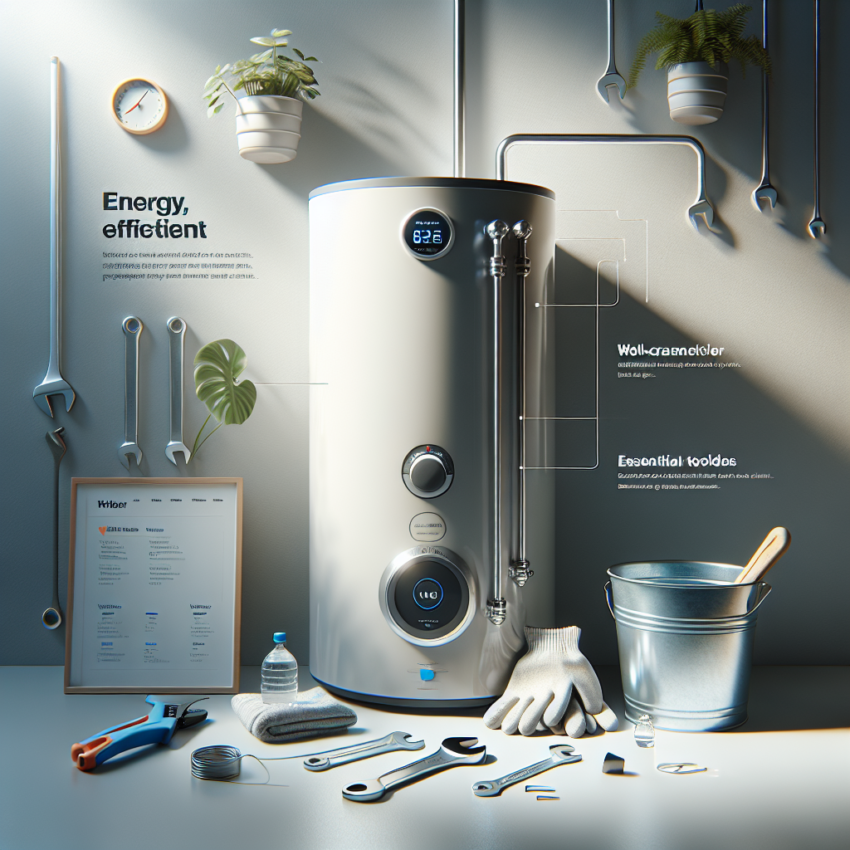
If you’re wondering how to drain a water heater safely and effectively, you’re in the right place. Draining your water heater is an essential maintenance task that can help extend the life of the unit and improve its efficiency. Over time, sediment builds up in the tank, which can lead to corrosion, inefficient heating, and potentially costly damage. By regularly performing this straightforward procedure, you keep your appliance in top condition and ensure a steady supply of hot water.
How to Drain a Water Heater
Let’s walk through the steps on how to drain a water heater. Gathering the right tools before you start is crucial. You will need a garden hose, a wrench, a bucket, and possibly a screwdriver. Also, ensure you have a designated place to direct the water and sediment as it drains.
Step-by-Step Process
First, begin by turning off the power to your water heater. For electric water heaters, switch off the breaker in the main panel. If you have a gas water heater, turn the gas knob to the pilot setting.
Next, turn off the cold water supply to the heater. You’ll find a valve above the water heater. Turning this valve clockwise closes it and stops additional water from entering the tank.
Drain the Water
Attach a garden hose to the drain valve located at the bottom of the tank. Stretch the hose to a location where it is safe to discharge the water, such as a floor drain or curb. Open the drain valve to start the draining process. At this point, opening a hot water faucet in your house will allow air to circulate through the system, helping the water and sediment drain more efficiently.
After draining, flush the tank by briefly turning on the cold water supply. This helps ensure all sediment is removed. Continue until the water runs clear.
Finishing Up
Once you’re sure the tank is clean, close the drain valve and remove the garden hose. Turn the cold water supply back on, allowing the tank to fill. It’s important at this stage to check for leaks around fittings and connections.
Finally, restore power to your water heater by switching the breaker back on or setting the gas knob to the desired temperature. Check the hot water faucet until it runs smoothly to ensure your task is complete.
Proper maintenance and understanding how to drain a hot water heater can enhance the performance and longevity of your unit. Regularly scheduled draining reduces the buildup of sediment and prevents potential damage.
Maintenance and Efficiency
Regularly draining a water heater not only increases its efficiency but can also result in cost savings on energy bills. Sediment build-up forces the heater to work harder, consuming more energy than necessary. By performing this simple task, you maintain your system’s efficiency and potentially lower monthly expenses.
Moreover, understanding maintenance tasks can be beneficial for other home improvement projects. For instance, if you’re preserving your property’s exterior, you might be interested in learning about the cost of resurfacing a concrete driveway.
Staying informed about how to maintain your home appliances and structures supports your property’s value and functionality.
Additional Tips
If you encounter any difficulties while draining your water heater, consider consulting a professional. It’s also helpful to refer to your heater’s manufacturer guidelines for model-specific instructions.
Occasional professional inspections can be a wise investment to ensure there are no major faults that could necessitate costly replacements.
Additionally, consider checking resources like Wikipedia’s health section to explore how appliance maintenance can impact overall home safety and efficiency.
Understanding how to drain a water heater empowers you with the knowledge to prolong your appliance’s functionality and helps you in maintaining a well-operating home environment.
- Regularly draining your water heater can extend its lifespan.
- Sediment buildup can reduce efficiency and increase energy costs.
- Turn off power and water supply before draining the tank.
- Flush the tank before refilling to ensure all sediment is removed.
- Consult professionals for issues beyond basic maintenance.
FAQs
How often should I drain my water heater?
It’s generally recommended to drain your water heater once a year to maintain its efficiency and prevent sediment buildup.
Can I drain a water heater by myself?
Yes, draining a water heater is a task most homeowners can perform if they follow safety precautions and guidelines.
Why is it important to turn off the power before draining?
Turning off the power prevents any electrical hazards or damage to the heating elements when draining the tank.
What should I do if the water doesn’t drain completely?
If water remains in the tank, it might be due to a clogged drain valve. Try using a screwdriver to gently open the clog, or consult a professional.
Is professional service necessary for water heater maintenance?
While basic maintenance can be done personally, occasional professional checks can be beneficial to ensure there are no underlying issues.