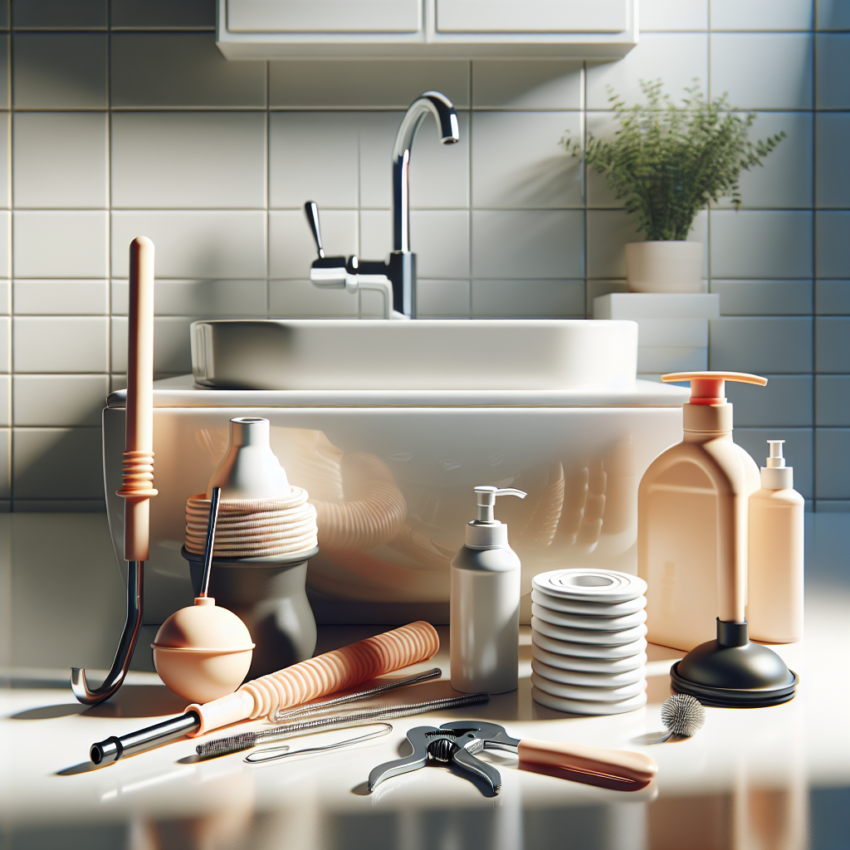
Maintaining your home’s drain cleanout is essential to ensure a smooth-flowing plumbing system and to prevent clogs. These critical access points allow homeowners and plumbers to inspect and remove obstructions from the drainage lines efficiently. Proper care and timely maintenance can save you from costly repairs and water damage.
Understanding Drain Cleanout Systems
Drain cleanouts serve as inspection points located within your plumbing system. Typically, they are a capped pipe with easy access to the main sewer line. This feature is crucial in diagnosing problems, removing blockages, and maintaining sewer efficiency. Cleanouts are especially useful for large properties or older plumbing systems that may be more prone to clogging issues.
Identifying the Location of Your Drain Cleanout
Finding the drain cleanout on your property contributes significantly to keeping everything well-maintained. Usually, cleanouts are located outside your home, near the foundation, or within the basement area. These access points are often covered with a plastic or metal screw cap. Familiarizing yourself with their location will expedite addressing issues when they occur.
Importance of Regular Maintenance
Regular maintenance of your drain cleanout can prevent small inconveniences from turning into substantial plumbing problems. By routinely inspecting and clearing out any buildup in your drains, you can avoid blockages and ensure longevity in your sewer system. Additionally, it is paramount to handle maintenance work with care or seek professional plumbers for comprehensive inspection and cleaning.
Best Practices for Maintenance
For an efficient drain cleanout, consider the following best practices:
- Routine Checks: Periodically inspect the cleanout for any signs of blockages or damage.
- Clear obstructions: Remove any debris or build-up in the drain to prevent potential clogs.
- Cap replacement: Make sure the cleanout cap is securely fixed to prevent sewer odors from escaping.
Natural Prevention Techniques
Incorporating natural prevention techniques can be both environmentally friendly and effective:
- Boiling Water: Pouring boiling water down the drain weekly can help dissolve minor build-ups.
- Baking Soda and Vinegar: This duo is a natural cleaner that can break down deposits and eliminate odors.
- Enzyme Cleaners: Utilize enzyme-based cleaners to biodegrade waste materials safely.
For further detail on maintaining other parts of your home, visit our comprehensive gutter cleaning guide.
When to Seek Professional Help
While many homeowners successfully maintain cleanouts on their own, professional assistance may be needed in certain situations:
- Persistent Clogs: If blockages persist despite your efforts, a professional inspection is warranted.
- Pipe Damage: Visible damage or corrosion to the cleanout or surrounding pipes should be addressed by a plumber.
- Complex Systems: Larger or older systems may require expertise to navigate and maintain effectively.
Final Thoughts on Drain Cleanout
Maintaining your drain cleanout is an essential aspect of keeping your plumbing system in top condition. Implementing routine checks, using natural cleaning methods, and understanding when professional help is necessary can help prevent clogs and enhance the longevity of your drainage system. Protecting your home from potential water damage is not only cost-effective but ensures a healthier living environment. For broader health considerations related to your home environment, you may explore further guidelines on health.
- Locate your drain cleanout access points for easy maintenance.
- Regular checks and natural cleaners can prevent clogs.
- Consider professional assistance for persistent issues.
- Secure your cleanout caps to prevent odors.
- Understand the layout of your plumbing system for effective maintenance.
What is a drain cleanout?
A drain cleanout is an access point in your plumbing system that allows for the inspection and removal of blockages from the main sewer line.
How do I find my home’s drain cleanout?
The cleanout is typically located near the perimeter of your home, outside the foundation or in the basement. It often has a plastic or metal cap.
How often should I clean my drain cleanout?
The frequency depends on your system’s usage and any problems encountered, but routine checks every few months can help maintain optimal performance.
Can natural methods effectively prevent clogs?
Yes, using natural cleaners such as baking soda, vinegar, and boiling water can effectively break down minor buildups and prevent clogs.
When should I contact a professional plumber?
It’s advisable to seek professional help if you experience persistent clogs, visible pipe damage, or have a complex plumbing system that needs expert attention.