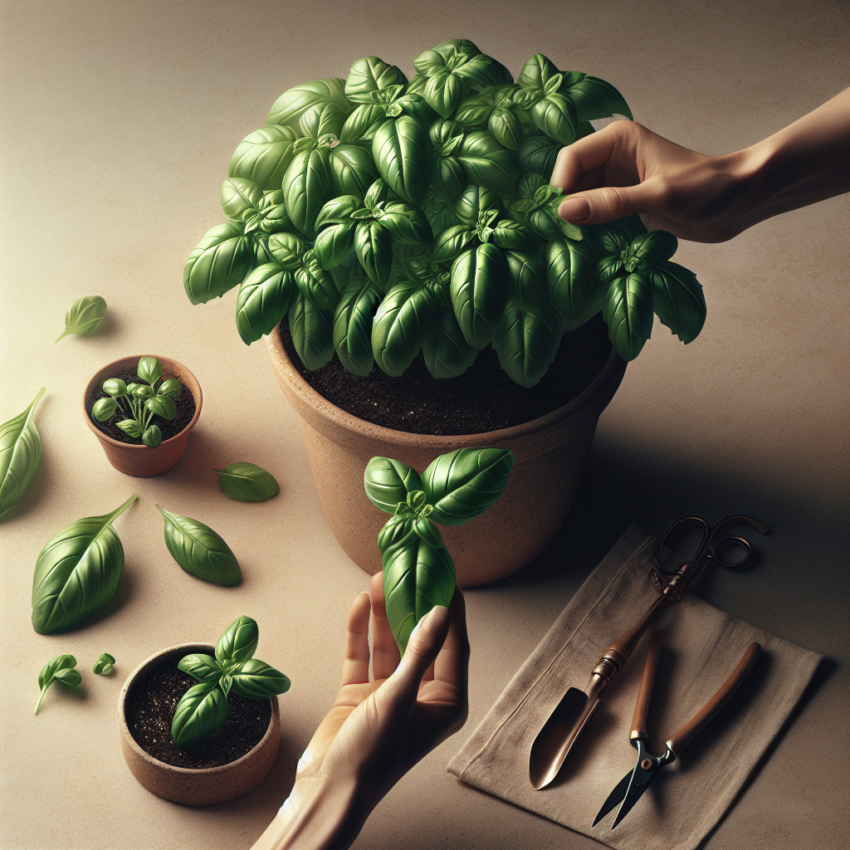
Growing basil at home can be a rewarding experience for anyone who enjoys fresh herbs. Understanding how to harvest basil properly is essential to ensure a continuous and vibrant supply of this aromatic plant. Harvesting correctly allows the basil to thrive and maximizes its flavor profiles, leaving you with rich and fragrant leaves to use in your favorite dishes.
How to Harvest Basil Effectively
To begin with, knowing when and how to start the harvesting process is crucial. The best time to harvest basil is when the plant has become well established, typically with a height of about 6 to 12 inches. Aim to harvest in the morning when the leaves are at their freshest.
Begin by pinching or cutting the stems just above a pair of leaves. This will encourage the plant to grow two new stems in place of the one you removed, leading to a bushier plant. Repeated pinching throughout the growing season promotes denser foliage and prevents the plant from flowering too early, which can reduce leaf flavor.
Tools and Tips for Harvesting Basil
While hands are often sufficient for harvesting basil, using a pair of clean scissors or gardening shears can make the process more precise and reduce damage to the plant. Be sure to disinfect your tools to prevent the spread of any plant diseases.
Another valuable tip is to never remove more than one-third of the basil plant at a time. This practice ensures that the plant remains healthy and vigorous, allowing it to continue flourishing throughout the season.
Maintaining a Healthy Basil Plant
An important aspect of how to harvest basil involves maintaining plant health. Regular maintenance includes watering the plant consistently, ensuring it is placed in a sunny spot (at least six hours of sunlight daily), and fertilizing as necessary. Basil thrives in warm climates and shouldn’t be exposed to temperatures lower than 50°F (10°C).
Pruning is another essential maintenance activity. Regularly remove any flowers or woody stems as they appear. This maintains the plant’s energy on leaf production, which is where the concentrated flavors are found. Additionally, control pests naturally using companion plants such as marigolds, or with soap-based sprays.
Using Basil in Culinary Delights
Once you have harvested your basil, there are countless ways to incorporate it into meals. Fresh basil leaves can be used in salads, as a garnish, or in cooked dishes like pasta and soups. A popular option is to create a traditional pesto, blending fresh basil with pine nuts, garlic, Parmesan cheese, and olive oil for an aromatic sauce.
Basil Preservation Techniques
To ensure you can enjoy your basil long after the growing season, consider preservation methods such as freezing, drying, or infusing oils. Freezing basil maintains its flavor well. Simply blend the leaves with a bit of olive oil and freeze in an ice cube tray for convenient portioning later. Drying basil can also be effective but may slightly diminish its flavor intensity compared to fresh.
For those interested in further exploring other lifestyle enhancements, you might find this article on astrology readings for personal development an interesting read.
Common Challenges When Growing Basil
Even with proper care, basil can face challenges such as poor growth, pests, or diseases. Yellowing leaves may indicate overwatering or poor soil drainage, while wilting could be a sign of underwatering. Keeping an eye on these signs allows you to take corrective measures swiftly.
Pests such as aphids and slugs are commonly attracted to basil plants. Managing these can often be accomplished through natural means like introducing beneficial insects or using homemade pest remedies.
By understanding how to harvest basil and attend to its needs, you ensure a continuous yield of this delightful herb. Continuously learning and adapting your practices based on observed results leads to a thriving garden.
- Harvest basil by cutting above a pair of leaves to encourage growth.
- Never remove more than one-third of the plant at once.
- Regular pruning and maintenance ensure better flavor and health.
- Preserve basil via freezing, drying, or infusing oils.
- Basil is versatile for numerous culinary uses.
FAQs
When is the best time to start harvesting basil?
The ideal time to start harvesting basil is when the plant reaches a height of 6 to 12 inches, usually once it is well established.
How do you harvest basil for continuous growth?
To encourage continuous growth, harvest basil by cutting just above a pair of leaves, prompting the plant to branch out and produce more foliage.
Why is my basil turning yellow?
Yellowing in basil may result from overwatering, poor soil conditions, or nutrient deficiencies. Adjust watering practices and consider soil amendments if necessary.
Can basil be grown indoors?
Yes, basil can be grown indoors on a sunny windowsill that receives at least six hours of sunlight daily. Consider using grow lights if natural light is insufficient.
What are some basil plant companions for pest control?
Marigolds and nasturtiums are great companion plants for basil, helping to repel pests naturally while promoting a healthy garden ecosystem. For more gardening insights and a broader view on health, visit this article on health.