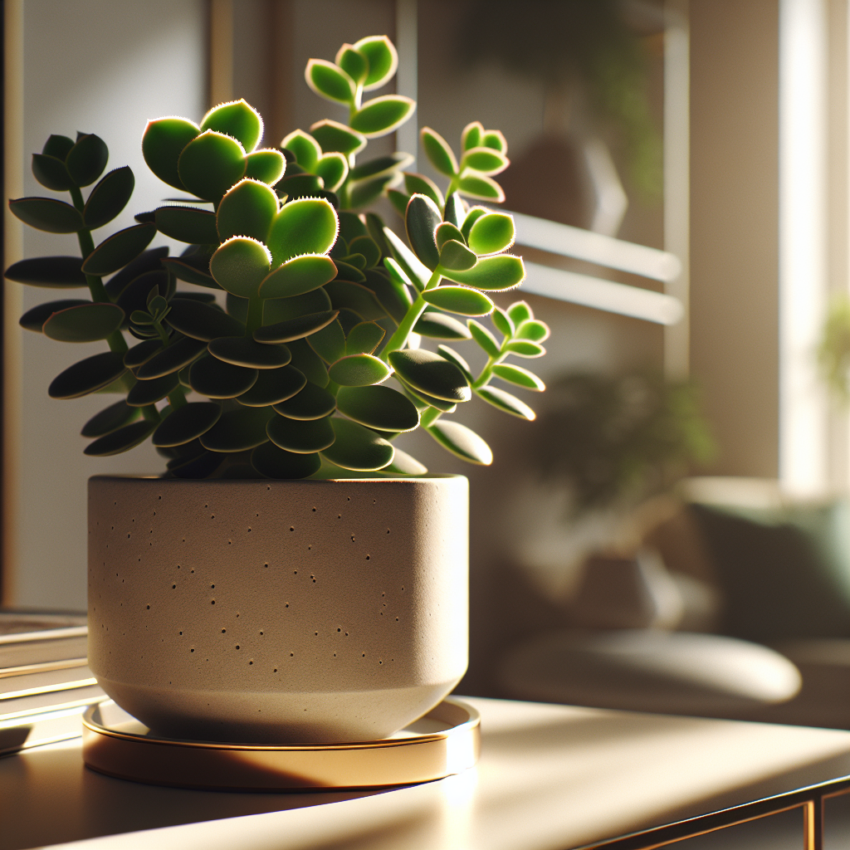
Are you looking to enhance your space with vibrant greenery? Kalanchoe plants are a popular choice for both novice and experienced gardeners alike. In this guide, we’ll explore essential tips for kalanchoe plant care, ensuring your plant thrives in your home.
Kalanchoe Plant Care: Fundamental Tips
The kalanchoe is a resilient succulent native to Madagascar. With its bright blooms and fleshy leaves, it can brighten up any environment. Here are fundamental tips to keep it healthy and thriving.
Light Requirements
Kalanchoe plants love the sun. It’s crucial to place them in a spot where they receive plenty of natural light. A south-facing window is ideal. If natural sunlight is limited, consider using grow lights to emulate the sun’s rays. Providing 6 to 8 hours of light daily will help your plant flourish.
Watering Techniques
One of the common mistakes in succulent care, including kalanchoe, is overwatering. These plants store water in their leaves, so they don’t require frequent watering. Allow the soil to dry out completely between waterings. Typically, watering once every two weeks is sufficient, but this can vary depending on your home’s climate.
Soil and Pot Requirements
A well-draining soil mix is essential. Consider using a commercial cactus blend or create your own mix with equal parts potting soil, pumice, and sand. The container should have adequate drainage holes to prevent waterlogging, which can lead to root rot.
Temperature and Humidity
Kalanchoe plants thrive in moderate temperatures. Aim for a range between 60°F and 85°F (15°C to 29°C). They prefer dry conditions, so there’s no need for high humidity. Keep them away from drafty windows in the winter to prevent cold damage.
Pruning and Potential Pests
Pruning promotes growth and removes spent blooms, encouraging your kalanchoe to continue blooming. Trim away dead or diseased parts with clean scissors. Common pests include aphids and spider mites, which can be treated with insecticidal soap.
Fertilizing and Blooming
To encourage vibrant blooms, fertilize your kalanchoe plant every few months during the growing season. Use a balanced, water-soluble fertilizer diluted to half strength. Avoid over-fertilization, as it can harm your plant.
Understanding the blooming cycle is key. Kalanchoes are short-day plants, meaning they require long nights to develop buds. Reduce their exposure to light for about 14 hours a night for six weeks to stimulate the bloom cycle.
Repotting Your Kalanchoe
Repot your kalanchoe every two years or when it becomes root-bound. Choose a pot that’s only slightly larger than its current one to prevent excess water retention. Repot during the spring, just before the growing season begins, for the best results.
Looking to add more decorative elements to your space? Consider combining your kalanchoe with vintage maps for a timeless touch. You can explore more ideas on decorating your home with vintage maps.
Troubleshooting Common Issues in Kalanchoe Plant Care
Sometimes, you’ll encounter issues despite your best efforts. Here’s how to address some common problems:
Yellowing Leaves
Yellow leaves may indicate overwatering. Ensure the soil dries out between watering sessions. If the plant sits in waterlogged conditions consistently, consider removing affected parts and adjusting your routine.
No New Blooms
When your kalanchoe doesn’t produce new flowers, it might be due to improper light exposure. Ensure it receives adequate darkness during the night to trigger blooming, and check for nutrient deficiencies.
Pest Infestation
Common pests, like aphids and mealybugs, can affect kalanchoes. Regular inspections and prompt action using neem oil or insecticidal soaps can mitigate infestations before they turn severe.
Leggy Growth
Insufficient light often causes the plant to stretch towards the light, leading to leggy growth. Adjust the plant’s location to ensure it receives sufficient light exposure, and trim back overgrown parts to encourage fuller growth.
For more information on general health and plant care, visit this comprehensive guide on health.
Takeaways
- Ensure your kalanchoe receives 6-8 hours of light daily.
- Allow the soil to dry completely between waterings.
- Fertilize lightly during growing seasons for vibrant blooms.
- Adjust light exposure to encourage blooming cycles.
- Inspect regularly for pests and prune to maintain plant health.
FAQ
How often should I water my kalanchoe?
Typically, watering once every two weeks is sufficient, depending on the climate. Ensure the soil completely dries between watering sessions.
Why are my kalanchoe leaves turning yellow?
Yellow leaves often indicate overwatering. Ensure proper drainage and allow the soil to dry out before the next watering.
Can kalanchoe plant survive in low light?
While kalanchoes prefer bright light, they can tolerate partial shade. However, insufficient light can lead to leggy growth.
When should I repot my kalanchoe?
Repotting is best carried out every two years or when the plant becomes root-bound. The ideal time is in the spring before the growth period begins.
How do I encourage my kalanchoe to bloom again?
To promote blooming, provide long nights—about 14 hours of uninterrupted darkness daily for approximately six weeks.
By following these essential kalanchoe plant care tips, your plant can become a thriving centerpiece in your home. With the right balance of light, water, and nutrients, your kalanchoe will reward you with vibrant and lasting blooms.