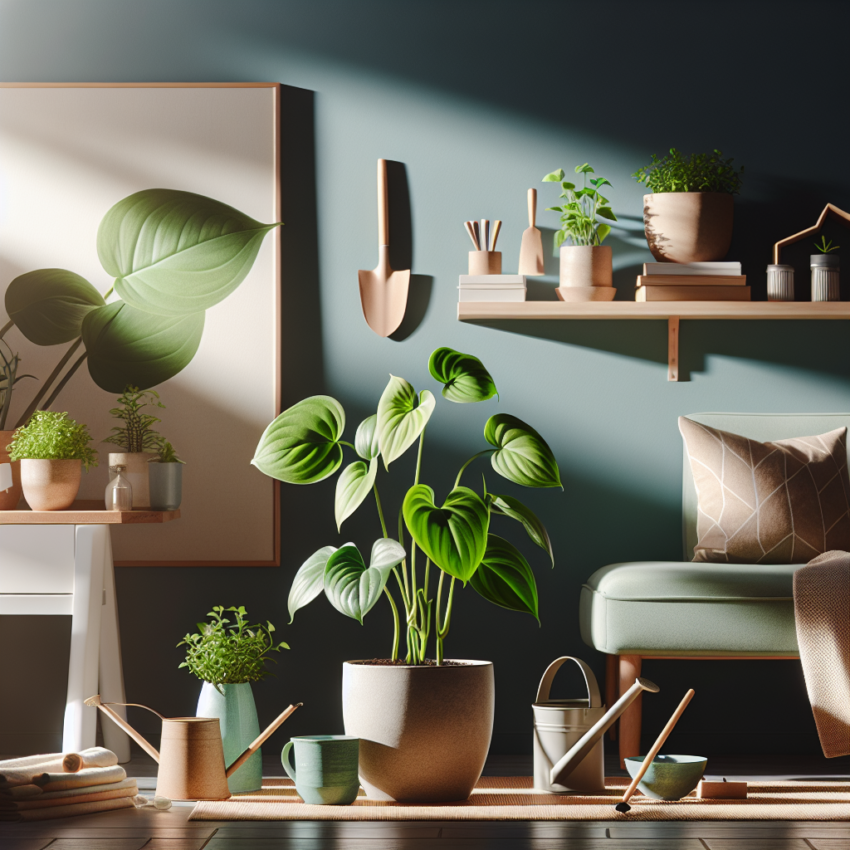
Having lush greenery at home is not just for aesthetic pleasure; it also enhances the indoor environment. If you’re looking to add a resilient and beautiful plant to your home, understanding pothos plant care is essential. Pothos, also known as devil’s ivy, is a popular houseplant due to its vibrant leaves and easy maintenance. By following these tips, you can ensure your pothos thrives in its indoor setting.
Understanding Pothos Plant Care
Pothos plants are known for their heart-shaped leaves and trailing vines. They are versatile and can adapt to various environments, making them ideal for beginners. Here, we will explore the essential aspects of caring for your pothos, including light conditions, watering, soil, and fertilization.
Lighting Requirements
Pothos plants prefer moderate, indirect light although they can adapt to low-light conditions. Placing your pothos near a window where it receives filtered sunlight is ideal. If you notice the leaves losing their vibrant color, it may be a sign that your plant is not receiving enough light. However, too much direct sunlight can scorch the leaves, so balance is key.
Watering Routine
Proper watering is crucial in pothos plant care. Pothos prefers soil that is kept moist but not soggy. Allow the top inch of soil to dry out between waterings. Overwatering can lead to root rot, which is detrimental to the plant. Conversely, under-watering can cause leaves to wilt and eventually fall off.
Soil and Potting
Pothos thrives in well-draining potting mix. A standard commercial houseplant soil will work well, or you can create a custom mix with peat moss, pine bark, and perlite. The pot should also have drainage holes to prevent water accumulation at the bottom, which can lead to root damage.
Fertilization Tips
Regular fertilization helps keep your pothos healthy and vibrant. During the growing season (spring and summer), fertilize every 4 to 6 weeks with a balanced houseplant fertilizer. There’s typically no need to fertilize in the dormant months of fall and winter, as the plant’s growth naturally slows down.
Repotting and Pruning
Repotting your pothos every couple of years aids in maintaining the plant’s health. Look for signs such as roots creeping out from the drainage holes or the plant looking cramped in its pot. Pruning is also important to encourage bushier growth. Simply trim back any leggy vines, and always use sharp, clean scissors to make the cuts.
If you’re interested in using natural solutions to support wellness, check out our article on natural remedies and supplements for various health conditions.
Pet Safety
While pothos are easy to care for, it’s important to note that they are toxic to pets if ingested. If you have cats or dogs, keep your pothos plant out of their reach. Symptoms of ingestion in pets include drooling, vomiting, and difficulty swallowing.
For further reference on poisonous plants and effects, you can visit this informative page on pothos toxicity.
Common Mistakes
Avoid common mistakes such as overwatering, insufficient light, and neglecting to prune. Each of these can lead to a less vibrant plant, or in severe cases, impact its health negatively. Remember to check your plant regularly and adjust care practices as needed.
Caring for a pothos plant may seem daunting initially, but its adaptability makes it a great starting point for both novice and experienced plant lovers. By paying attention to its light, water, and soil needs, you can enjoy this plant’s lush appearance year-round. Whether you’re looking to purify your air or simply add a touch of green, mastering pothos plant care allows you to achieve a thriving indoor oasis.
- Pothos plants thrive in moderate, indirect light.
- Let the soil dry between waterings to avoid root rot.
- Use a well-draining potting mix.
- Fertilize during the growing season for lush growth.
- Prune regularly to encourage new growth and prevent leggy vines.
FAQ
Can pothos survive in low light?
Yes, pothos can survive in low light, but they grow best in moderate, indirect light where they can maintain vibrant foliage.
How do I know if I’m overwatering my pothos?
Signs of overwatering include yellowing leaves and root rot. Make sure the top inch of soil is dry before watering again.
Why are my pothos leaves turning yellow?
Yellowing leaves can be caused by overwatering, insufficient light, or nutrient deficiencies. Evaluate your care routine to address these issues.
Is pothos safe for pets?
No, pothos is toxic to pets if ingested. It’s best to keep this plant out of reach from both cats and dogs.
How often should I repot my pothos?
Repot your pothos every couple of years or when you notice roots coming out of the drainage holes, indicating the plant has outgrown its current pot.