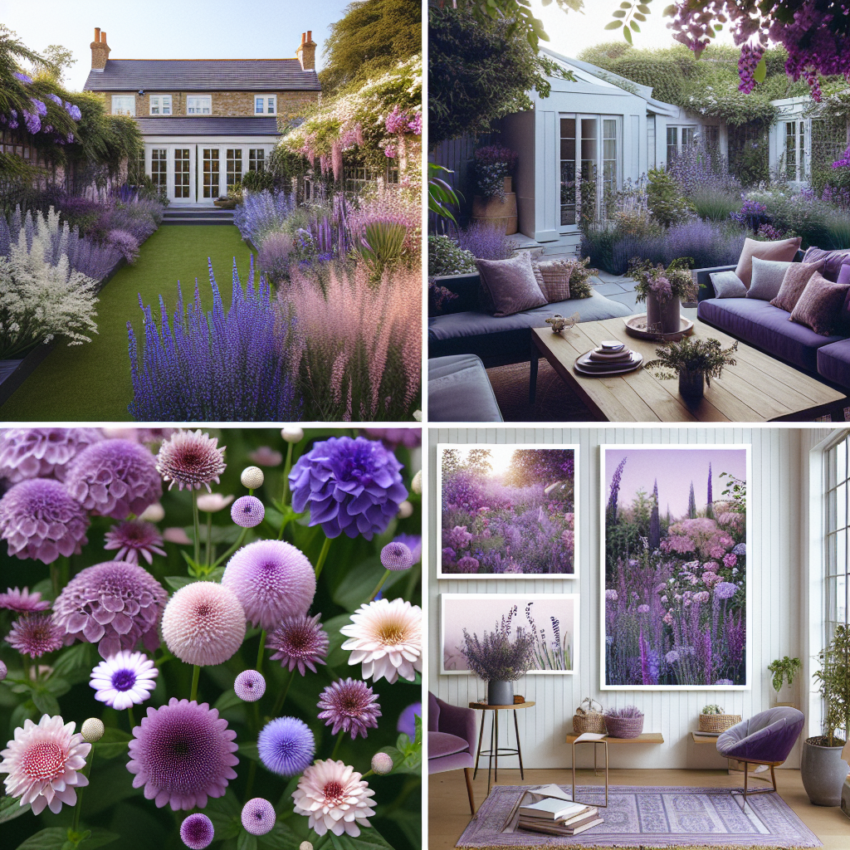
Decorating your home with purple flowers can bring a sense of tranquility and elegance, while also enhancing your garden’s aesthetic appeal. The purple flower not only adds vibrant color to your surroundings but may also offer various health benefits. This article explores the beauty and utility of these charming blossoms and how you can incorporate them into your living spaces to create a serene and inviting atmosphere.
The Beauty of the Purple Flower
Purple flowers are not just visually stunning; they symbolize dignity, pride, and success. Whether in a bouquet or a garden bed, they can instantly elevate any environment. Some popular species include lavender, lilacs, and irises, each bringing its unique shade and fragrance. These flowers not only captivate with their color but may also soothe the mind, providing a pleasant respite from daily stress.
Incorporating purple flowers into your home decor can be as simple as adding a vase of lavender to your living room or planting violets along your garden path. The diverse hues, from soft pastels to deep royal purples, can complement any design palette, making them versatile additions to your home and garden.
Health Benefits Associated with Purple Flowers
Certain purple flowers are associated with various health benefits. For example, lavender is famous for its calming properties and is often used in aromatherapy to promote relaxation and improve sleep quality. Consuming teas made from herbs such as lavender or violet may support digestion and provide a gentle mood lift.
While the lavender plant is well-known for its potential to reduce anxiety, lilacs have also been used in traditional remedies. It’s essential to consider that while these purple blooms are being studied for their potential health benefits, they may not replace conventional treatments. To explore more on natural remedies, see our article on natural remedies and supplements.
Integrating Purple Flowers into Your Home and Garden
Creating a purple-themed garden brings a sense of harmony and beauty. You can mix various species of purple flowers to create depth and texture. Consider the following tips for incorporating these vibrant blooms into your outdoor and indoor spaces:
- Choose the Right Varieties: Select a mix of annuals and perennials for continuous blooms throughout the seasons. Lavender, violets, and clematis are excellent choices.
- Color Harmony: Pair purple blooms with complementary colors like yellow and orange for a striking contrast or blend them with whites and greens for a softer look.
- Functional Arrangement: Arrange your purple flowers in places where their fragrance can be enjoyed, such as near entryways or alongside walking paths.
Inside your home, purple flowers can be used to add splashes of color in areas such as coffee tables, kitchen counters, or bedside stands. Their fragrance and color can invigorate a room, making it more welcoming and lively.
Maintaining Your Purple Flower Arrangements
Preserving the beauty of purple flowers requires some care. Regular watering, appropriate sunlight exposure, and timely pruning are essential. Each type of flower has specific needs, so it’s crucial to research and understand these care instructions for optimal growth.
For cut flowers, refresh their water regularly and trim the stems to encourage water uptake. This attention will keep your arrangements vibrant and alluring for a longer time.
Conclusion
Incorporating purple flowers within your home and garden not only beautifies your space but may also contribute to a relaxed, health-conscious lifestyle. Understanding and knowing how to care for these whimsical plants can enhance both the aesthetic and functional aspects of your environment. Whether you choose to plant a full-blown garden or simply enjoy a small indoor arrangement, the versatile purple flower offers endless possibilities.
For more information on the health implications of floral and herbal arrangements, consider visiting sites such as Wikipedia’s page on flowers to explore their uses and significances throughout history.
- Purple flowers bring beauty and tranquility to any environment.
- Lavender and other purple flowers may support relaxation and mood balance.
- Pair purple flowers with complementary colors for a captivating garden.
- Proper care and maintenance extend the life and beauty of your purple blooms.
- Research optimal conditions for each plant to ensure lush growth.
What types of purple flowers are ideal for beginners to grow?
Lavender, violets, and pansies are excellent for beginners due to their hardy nature and relatively low maintenance requirements.
Do purple flowers have specific cultural or symbolic meanings?
Yes, purple flowers often symbolize dignity, pride, and success. In some cultures, they may also represent spirituality and transformation.
Can I use purple flowers in both indoor and outdoor settings?
Absolutely. Many purple flowers are versatile and can be used both as indoor arrangements and garden displays to enhance any setting.
Are there any potential allergens associated with purple flowers?
Some individuals may experience allergies to specific flowers or plants. Lavender, for instance, might cause mild allergic reactions in sensitive people, so it’s advisable to consult with a healthcare provider if you have existing allergies.
How do I keep my cut purple flowers fresh for a longer period?
To maintain the freshness of cut flowers, change their water regularly, trim the stems, and keep them away from direct sunlight and heat sources.