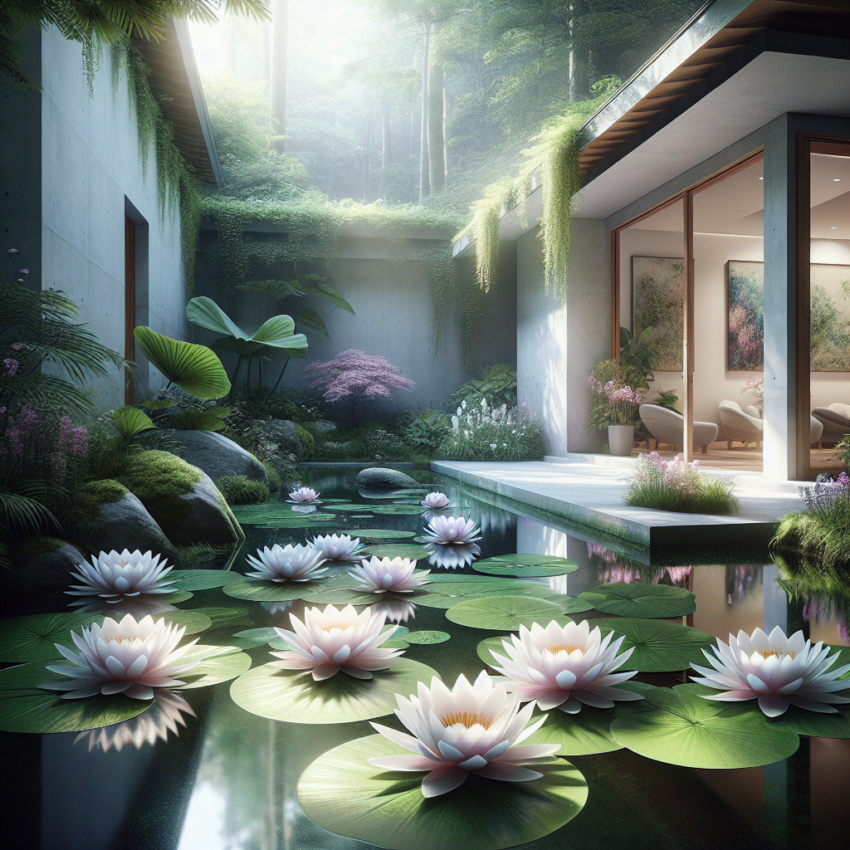
Water water lily plants are popular features in home gardens, offering both aesthetic appeal and ecological benefits. Often found floating serenely in ponds and water features, these plants add a touch of tranquility and beauty to any outdoor setting. Beyond their visual charm, water water lilies provide critical benefits for aquatic ecosystems by maintaining cleanliness and oxygen levels, making them an excellent choice for garden enthusiasts looking to enhance their landscape.
The Beauty and Importance of Water Water Lily
Water water lilies can transform a mundane garden into a vibrant, living canvas of nature. Known for their magnificent blooms and vibrant colors, they attract various pollinators, including bees and dragonflies, which can enhance the ecological diversity of your garden. Furthermore, their large, floating leaves provide shade, helping to regulate the water temperatures and inhibit algae growth, which keeps your pond environment healthier.
Additionally, welcoming water water lilies into your garden supports wildlife as their leaves and flowers offer shelter and a resting place for many small creatures. Structurally, they are composed of a rhizome that roots into the pond floor with leaves that float on the surface, giving both height and depth to water features.
Why Grow Water Water Lily in Your Garden?
Incorporating water water lilies into your garden offers several practical benefits. Their ability to shade water reduces evaporation, thus conserving water—a vital consideration in today’s climate-conscious world. By keeping the water cooler and reducing sunlight penetration, water lilies help to limit algae blooms, which can improve the overall health of your pond or water feature.
Moreover, in addition to their ecological impact, they are remarkably low-maintenance plants. Once established, they require minimal care, only needing occasional pruning and fertilizing to thrive. Their longevity and resilience make them suitable for a variety of climates, allowing gardeners to enjoy their beauty season after season.
Choosing the Right Water Water Lily Species
There are numerous species of water water lily to choose from, each offering its unique characteristics and seasonal bloom patterns. Hardy varieties are ideal for temperate climates, while tropical species bring diverse hues and larger blooms. When selecting the right species for your garden, consider factors like pond size, local climate, and the specific aesthetic you’re aiming for.
For gardeners interested in a comprehensive guide to integrating water lilies and other garden irrigation systems, check out this guide to irrigation installation systems.
How to Care for Water Water Lilies
To ensure your water lilies thrive, follow some basic care steps. First, plant the rhizomes in a suitable aquatic soil and position them in a pot that allows ample space for growth. Next, submerge them in your pond, ensuring they receive adequate sunlight—six hours a day is generally optimal.
Regular maintenance involves pruning dead leaves and flowers to promote new growth and applying fertilizer specifically designed for aquatic plants during the growing season. Be mindful of pests like aphids, and use appropriate methods to protect your plants without harming the delicate pond ecosystem.
The Symbolism and Cultural Significance of Water Water Lily
Beyond their practical advantages, water water lilies hold rich cultural meanings. They symbolize purity, peace, and enlightenment in various cultures, often associated with spiritual tranquility and rebirth due to their unique regenerative nature.
In many cultures, the water lily’s emergence from murky waters to reveal stunning blooms is seen as a metaphor for overcoming adversity and achieving enlightenment. This symbolism adds an element of depth and introspection to any garden space where they are cultivated.
Conclusion
Adding water water lilies to your garden not only enhances its visual appeal but also offers numerous ecological benefits. These plants are a symbol of biodiversity, beauty, and sustainability. Whether a gardening novice or a seasoned expert, incorporating water water lilies into your pond or water feature can be a rewarding and enriching experience. For comprehensive information about their health benefits, consider visiting trusted sources like Wikipedia’s entry on water lilies.
With thoughtful selection and care, the water water lily can provide joy and serenity in your home garden, contributing to the calming ambiance that only nature can offer.
- Water water lilies are beautiful and beneficial for ponds.
- They help to maintain water quality and support local wildlife.
- Low maintenance, they only require occasional care.
- Symbolic meanings further enrich their appeal in gardens.
- Numerous species offer a range of colors and bloom periods.
What are the primary benefits of water water lilies in a garden pond?
Water water lilies provide shade and reduce algae growth while supporting aquatic wildlife.
Can water water lilies grow in any climate?
Water lilies can grow in various climates, with hardy and tropical varieties suitable for different regions.
What maintenance do water water lilies require?
They require basic care, including pruning, fertilizing, and pest management, to thrive in a pond.
Why are water water lilies considered symbols of purity and enlightenment?
Their growth from muddy waters to stunning blooms symbolizes overcoming adversity and achieving purity.
How do water water lilies contribute to a garden’s aesthetic and ecological balance?
They offer visual beauty and play a role in shading water, reducing evaporation, and regulating pond health.