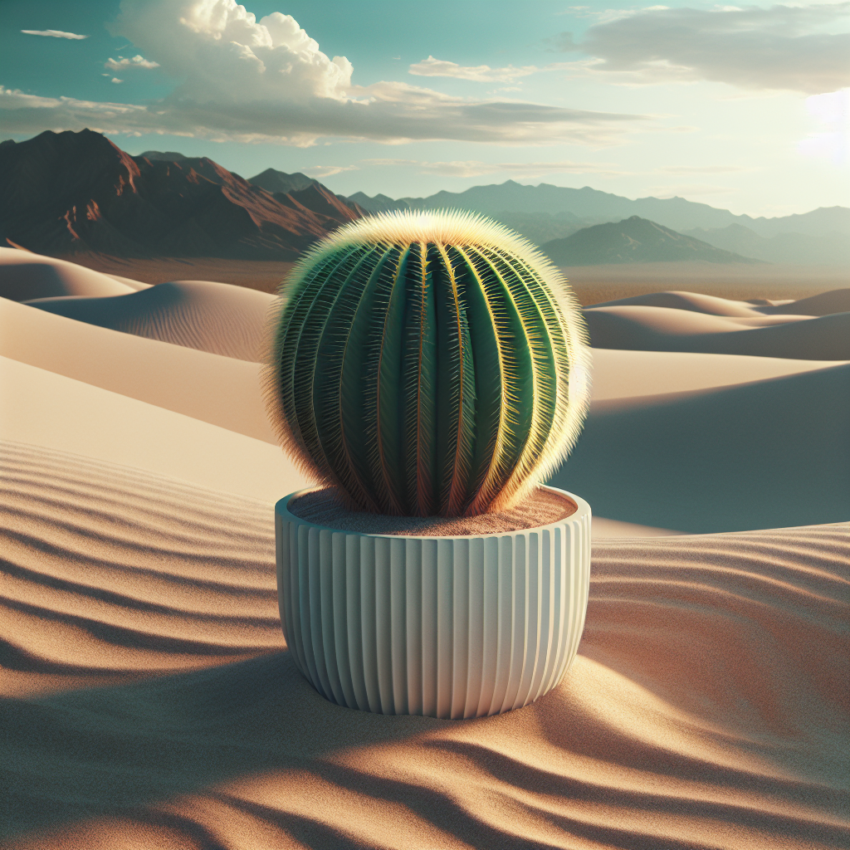
When envisioning the vast desert landscapes of places like Arizona or California, the resilience and unique beauty of the barrel cactus often come to mind. These fascinating plants not only survive but thrive in some of the harshest conditions, making them a staple in desert regions across North America. In this article, we will explore the characteristics of the barrel cactus, its ecological importance, and tips for incorporating it into your landscape.
The Barrel Cactus: A Desert Survivor
The barrel cactus is named for its distinct cylindrical shape, resembling a barrel. This plant is brilliantly adapted to the arid environment, storing water in its thick, fleshy walls to sustain itself during prolonged dry spells. With ribs running vertically along its surface, the barrel cactus can expand and contract as it takes up water, a true testament to its engineering by nature.
Our understanding of the barrel cactus extends beyond just its appearance. Several species of this cactus, including the fishhook barrel and the California barrel, have unique features and growth patterns that contribute to their survival. The spines covering these cacti provide protection from predators and help reduce water loss by shading the plant’s surface.
Ecological Role of the Barrel Cactus
Not only does the barrel cactus play a critical role in its ecosystem, but it also supports a variety of desert animals. Birds often use these cacti as nesting sites, while small mammals and insects may consume parts of the plant for moisture and nutrition. The flowers, which bloom in vibrant colors at the top of the cactus, attract bees, ensuring pollination and survival of the species.
A significant ecological function of the barrel cactus involves soil stabilization. By holding soil in place with its roots, it helps prevent erosion, contributing to the health of desert ecosystems. Moreover, the cactus acts as a water reservoir, accessible to desert creatures during the driest months.
Integrating the Barrel Cactus into Your Landscape
For those looking to incorporate the rugged beauty of the barrel cactus into their garden, it serves as an excellent choice due to its low maintenance and striking appearance. Here are some tips for growing and caring for barrel cacti in your landscape:
- Choose a well-draining soil that mimics its natural sandy habitat.
- Place the cactus in a location that receives ample sunlight.
- Water sparingly to prevent root rot, relying on occasional rainfall wherever possible.
- Be cautious of frost; consider covering or relocating cacti during cold spells.
By following these simple guidelines, you can enjoy the visual and ecological benefits of this resilient plant in your own backyard. Whether as a standalone feature or as part of a desert-themed garden, the barrel cactus will undoubtedly add character and interest to your outdoor space.
If you’re keen on expanding your understanding of plant resilience, you might also find the article on surprising supplements for brain recovery insightful. This could add another dimension to the conversation on natural strength and adaptability.
Conservation and Respecting Desert Plants
It is crucial to respect the natural habitats of these enduring plants. As desert lands face increased threats from human activities and climate change, awareness and conservation efforts must be prioritized. Protecting areas where the barrel cactus naturally grows ensures biodiversity is sustained, and desert ecosystems continue to function effectively.
Adopting sustainable practices in landscaping, such as choosing native species like the barrel cactus, contributes positively to ecological health and the preservation of these incredible plants for future generations.
Conclusion
The barrel cactus stands as a symbol of endurance and grace in the natural world. Its ability to survive in extreme conditions while providing a haven for wildlife highlights its importance in desert preservation. By integrating these robust cacti into landscaping projects, individuals not only enhance aesthetic appeal but also contribute to environmental conservation efforts. The barrel cactus deserves recognition for its role in sustaining desert life and its inherent beauty.
For more in-depth reading on health and species conservation, visit this comprehensive resource.
FAQ
What is the best way to care for a barrel cactus in a home environment?
When caring for a barrel cactus indoors, ensure it receives plenty of sunlight and is planted in well-draining soil. Water sparingly, allowing the soil to dry completely between waterings.
Can the barrel cactus survive in colder climates?
While the barrel cactus is primarily a desert plant, it can survive brief cold spells if appropriately covered or brought indoors when temperatures drop significantly.
Why are the spines of a barrel cactus so important?
The spines protect from predators and help shade the cactus, reducing water loss to the environment. They are an essential adaptation to its harsh desert habitat.
How does the barrel cactus benefit other species in its environment?
The barrel cactus provides moisture and food for various desert animals and insects. It also offers protection and habitat for some bird species.
Is it legal to remove a barrel cactus from the wild?
In many places, it is illegal to remove cacti from their natural habitats due to conservation laws. Always check local regulations and buy cacti from reputable nurseries.
- The barrel cactus is a resilient plant adapted to desert environments.
- It plays a crucial role in supporting ecosystems by providing habitat and moisture.
- These cacti are low-maintenance and make attractive additions to desert-themed gardens.
- Conservation efforts are essential to protect natural cactus populations.
- Sustainable landscaping practices can enhance biodiversity and ecosystem health.