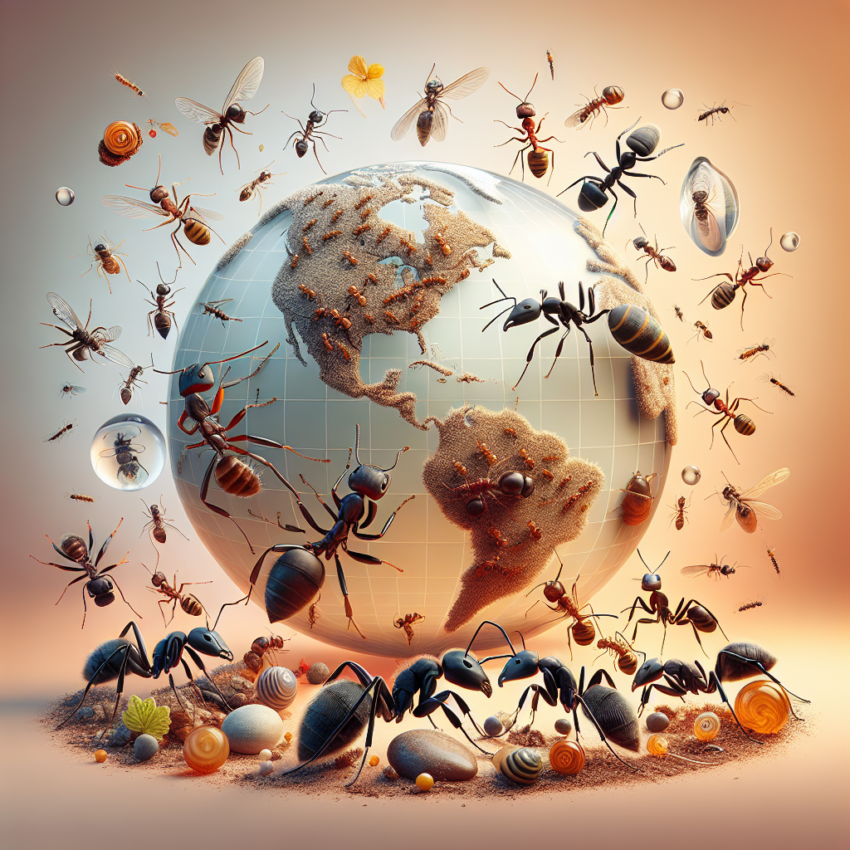
Ants are among the most fascinating organisms on Earth, and with many diverse species spread across different habitats, their existence is a testament to adaptability and survival. Understanding the different types of ants is not just for entomologists; it’s also fascinating for anyone curious about the natural world. These tiny creatures play significant ecological roles and have evolved complex social structures that intrigue researchers and nature enthusiasts alike.
Exploring Different Types of Ants
There are over 12,000 recognized species of ants, and they occupy various ecological niches. Each type of ant has unique characteristics and behaviors that make them a remarkable subject of study. From the powerful leaf-cutting ants to the minuscule pharaoh ants, their diversity is vast and captivating.
Carpenter Ants
Carpenter ants are known for their wood-boring habits. Unlike termites, they do not consume wood but excavate it to create nests. These ants are usually black or red and are found in forests, though they are sometimes discovered in homes, causing structural damage. Understanding their behavior is essential in preventing infestations and protecting buildings.
Fire Ants
Fire ants, famous for their painful sting, are aggressive and tenacious. They build large mounds with an intricate tunnel system and can significantly impact local wildlife. Their ability to survive floods by forming rafts showcases their adaptive skills. The control of this invasive species is crucial in many regions due to their impact on ecosystems and agriculture.
Leafcutter Ants
Leafcutter ants are known for their unique farming habits. They actively cut and collect leaves, which they use to cultivate fungus, their primary food source. These ants demonstrate complex social behaviors and are a model system for studying symbiosis and social structures in nature.
Harvester Ants
As their name suggests, harvester ants collect seeds. They play a vital role in their ecosystem by influencing plant distribution and soil health. Their nests are often mistaken for bare earth patches, but these are crucial for aerating soil and helping with nutrient cycling.
Pharaoh Ants
Pharaoh ants are tiny, yellow ants that often inhabit buildings. This species can be challenging to control due to their ability to develop multiple colonies and their preference for warm, humid environments. Their presence in hospitals can be problematic, as they can contaminate sterile equipment and spread pathogens.
Dealing With Ant Infestations
While many types of ants are harmless and even beneficial, some can become pests when they invade homes or gardens. Understanding the species invading your space is critical for effective management. Solutions range from sanitation practices to chemical treatments, tailored to the specific ant species encountered.
To learn more about the fascinating world of ants, you can explore scientific resources such as the Wikipedia article on ants, which offers extensive information on their biology and ecological significance.
Why Ants Matter
Ants are crucial to the environment. They aid in decomposition, aerate the soil, and serve as food sources for many animals. They are part of complex ecosystems, with interactions that influence plant communities and other insects. By studying the types of ants, we gain insights into biodiversity and the health of ecosystems.
Understanding these remarkable insects highlights the balance of nature and the importance of maintaining ecological integrity. Ants demonstrate the intricate relationships in the natural world, reminding us to appreciate the diverse forms of life that share our planet.
The myriad types of ants we’ve explored underscore the complexity and wonder of nature. These tiny creatures are pivotal ecological players, and learning about them can deepen our appreciation of the environment.
- Ants are incredibly diverse, with over 12,000 species worldwide.
- They occupy important ecological roles, including soil aeration and seed dispersal.
- Studying ants can offer insights into broader ecological and biological principles.
- Understanding the types of ants is key to effective pest management.
- Ants have complex social structures, making them fascinating subjects for research.
What are the most common types of ants?
Common types of ants include carpenter ants, fire ants, leafcutter ants, harvester ants, and pharaoh ants. Each species has unique characteristics and behaviors suited to their environments.
How can I identify ant species in my home?
Identifying ant species involves observing their size, color, nesting habits, and behavior. Consulting pest control professionals or using online resources can aid in accurate identification.
Why are ants important in ecosystems?
Ants are critical in ecosystems for soil aeration, seed dispersion, and as a food source for other species. Their activities support biodiversity and healthy ecosystem functioning.
Are all ants harmful or dangerous?
Not all ants are harmful. While some can damage structures or bite, many species play beneficial roles in the environment and do not pose significant threats to humans.
How can I prevent ant infestations?
Preventing ant infestations involves maintaining cleanliness, sealing entry points, and managing outdoor environments to reduce attractants. Professional pest control can offer targeted solutions against specific ant species.