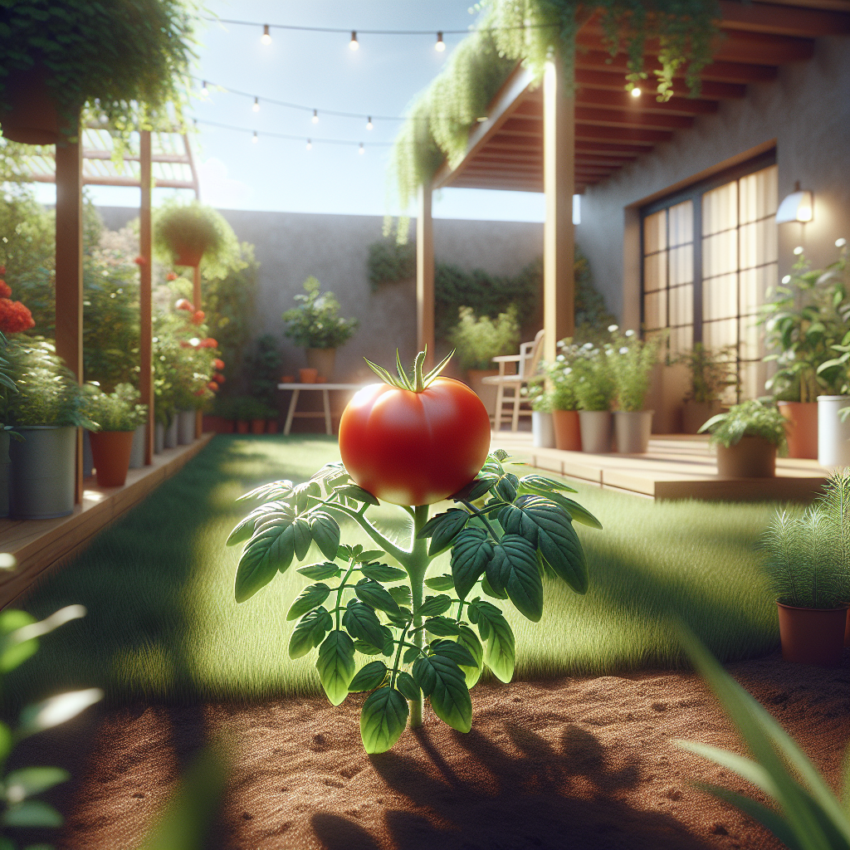
Growing the perfect tomaten plant can be both a rewarding and delightful endeavor. Whether you are a novice gardener or a seasoned horticulturist, cultivating a thriving tomaten plant offers a multitude of benefits, from a fresh summer harvest to the satisfaction of homegrown produce. This guide will provide you with essential insights to help your tomaten plants flourish.
Understanding the Tomaten Plant
The tomaten plant, commonly known as the tomato plant, is a warm-season crop that thrives in full sun. Ideal for outdoor gardens or container growing, tomaten plants require a well-draining soil with a pH between 6.0 and 6.8. The plants also need consistent watering and nutrient-rich soil to produce bountiful yields.
Choosing the Right Variety
Before planting, it’s essential to choose the right variety of tomaten plant that suits your climate and garden space. Indeterminate varieties often yield fruits throughout the growing season and are suitable for larger gardens. In contrast, determinate types grow to a compact size and are ideal for smaller spaces or containers.
Soil Preparation and Planting
Preparing the soil is crucial for a successful tomaten plant harvest. Enrich the garden soil with organic compost or well-rotted manure to enhance fertility. If you’re growing in containers, use a high-quality potting mix designed for vegetables. Plant your seedlings deep, covering two-thirds of the stem, to encourage robust root growth.
Watering and Fertilization
Consistent watering is key to the health of your tomaten plant. Water deeply and regularly, allowing the soil to dry slightly between watering. A drip irrigation system can help maintain consistent moisture levels. For tips on setting up irrigation, check out this guide to irrigation installation systems.
To promote growth, fertilize the plants with a balanced fertilizer every two weeks during the growing season. Be cautious not to over-fertilize, as this can lead to excessive foliage at the expense of fruit production.
Pest and Disease Management
The tomaten plant can be susceptible to pests and diseases. Keep an eye out for tomato hornworms, aphids, and whiteflies. Natural pest control measures like neem oil or introducing beneficial insects such as ladybugs can help manage these pests.
Disease prevention is equally important. Ensure proper spacing between plants to enhance air circulation and reduce humidity. Remove any diseased foliage promptly to prevent the spread of fungi or bacterial infections.
Harvesting Your Tomaten Plant
Knowing the optimal time to harvest is vital for the best flavor and texture. Fruits should be picked when fully colored but still firm. Regular harvesting encourages the plant to produce more fruit. Store your tomatoes at room temperature to ripen further but avoid refrigeration, as it can diminish flavor.
Troubleshooting Common Issues
One common issue with tomaten plants is blossom end rot, often caused by calcium deficiency or uneven watering. Maintaining a regular watering schedule and adding a calcium-rich amendment can prevent this problem.
If your plants have yellowing leaves, it may indicate a nutrient deficiency or over-watering. Adjusting your care routine or supplementing with an appropriate fertilizer can remedy this.
Final Thoughts on Growing the Perfect Tomaten Plant
Growers around the world cherish the tomaten plant for its delicious fruits and nutritional value. By following the right planting, watering, and care techniques, you can enjoy a robust harvest. Be patient and attentive to your plants’ needs, and they’ll reward you with an abundant yield.
- Choose the right tomaten variety for your space and climate.
- Prepare nutrient-rich soil for healthy plant growth.
- Maintain consistent watering and use natural pest control.
- Harvest tomatoes at peak ripeness for the best taste.
- Adjust your care routine to address common growing issues.
What soil is best for a tomaten plant?
A tomaten plant thrives in well-draining soil with a pH between 6.0 and 6.8. Enrich the soil with organic compost to improve fertility.
How much sun does a tomaten plant need?
Tomaten plants need full sun exposure for at least 6-8 hours a day to produce abundant fruit.
How do I know when my tomaten plant tomatoes are ripe?
Ripe tomatoes are fully colored but still firm to the touch. Regularly check and pick your tomatoes to encourage further growth.
What is blossom end rot, and how can it be prevented?
Blossom end rot is a common issue due to calcium deficiency or uneven watering. Consistent moisture levels and calcium-rich soil amendments can prevent it.
Why are my tomaten plant leaves turning yellow?
Yellowing leaves can result from nutrient deficiencies or over-watering. Adjust your watering schedule and consider supplementing with a balanced fertilizer.
For further information on nutrition and plant health, you can explore resources on Wikipedia.