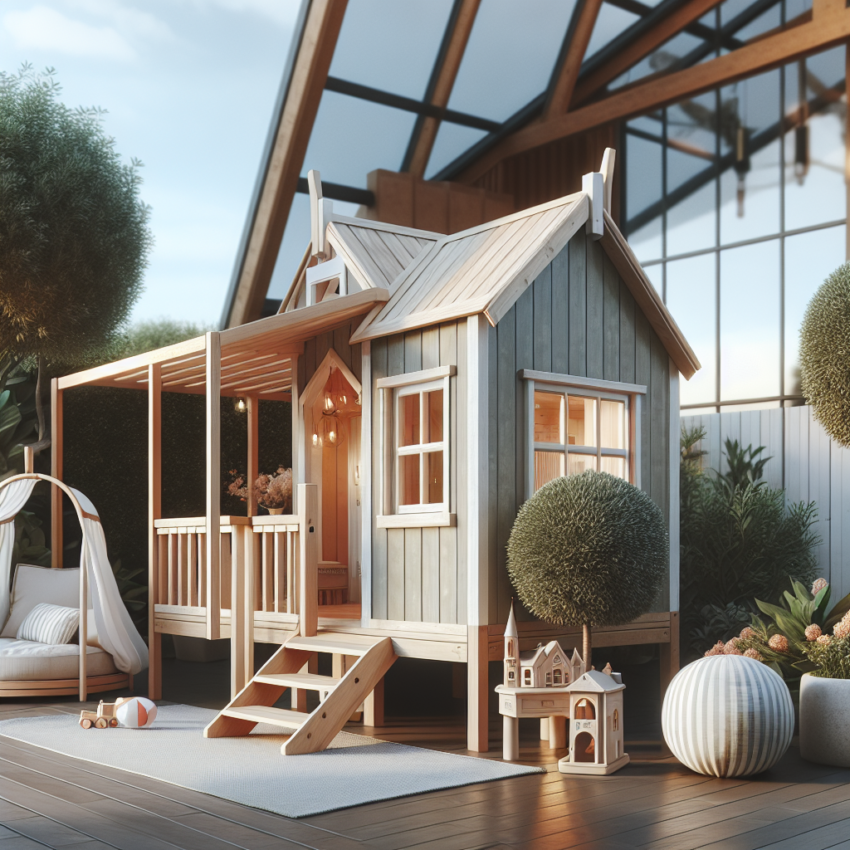
Designing the perfect backyard playhouse can ignite your child’s imagination and provide countless hours of play. The right backyard playhouse design combines creativity, functionality, and safety, creating a magical space for children to explore and grow. Here, we’ll explore how to create a playful and secure haven for your little ones, while also considering essential elements that make a playhouse truly special.
Essential Elements of a Backyard Playhouse Design
A well-thought-out backyard playhouse design includes several key components. These elements ensure the playhouse is not only fun but also safe and practical.
Location and Safety
The first step in designing a playhouse is finding the optimal spot in your backyard. Choose a flat, level area away from any potential hazards like low-hanging branches or large rocks. Ensure the site is visible from your main house or living area, providing easy supervision during playtime.
Size and Materials
Determine the size of the playhouse based on the available space and the number of children using it. Common materials for playhouse construction include wood, plastic, or a combination of both. Wood is durable and gives a natural look, while plastic offers bright colors and lower maintenance.
Design and Theme
Your child’s interests can inspire the overall theme of the playhouse. Whether it’s a fairy-tale castle, a pirate ship, or a cozy log cabin, an engaging theme adds excitement and fosters imagination. When designing, consult with your children to incorporate their favorite ideas and colors.
Features and Accessories
Include features that encourage creativity and active play. You might add a slide, climbing wall, or sandpit around the playhouse. Inside, consider including seating areas, pretend kitchens, or reading nooks to diversify play scenarios.
Enhancing Your Backyard Playhouse Design for Creativity
Once you’ve constructed the basis for your playhouse, adding imaginative and educational elements will further stimulate your children’s creativity and enjoyment.
Interactive Features
Incorporate interactive elements like chalkboards or whiteboards on the playhouse walls for drawing and writing. You might also add a telescope for stargazing or a periscope for pirate games, combining fun with learning.
Sustainable Choices
Opt for environmentally friendly materials and features when possible. Use non-toxic paints and recycled materials for decorations, and consider installing solar lighting. Such choices not only teach kids about sustainability but also create a healthier play environment.
Integrating Nature
Bring in elements of nature by incorporating a small garden, bird feeder, or butterfly house near the playhouse. Engaging with nature not only enhances creativity but also fosters a sense of responsibility for the environment.
For more ideas on integrating creative elements into home projects, you might find this article on decorating your home with unique elements enlightening.
Considerations for Safe and Long-lasting Backyard Playhouse Design
Safety is paramount when it comes to backyard playhouse design. Making sure the playhouse is built and maintained correctly ensures children stay safe.
Safety Gear and Maintenance
Regular maintenance is crucial for ensuring the structural integrity of the playhouse. Check for any sharp edges or protruding nails. Ensure that all access points such as ladders and stairs are stable and secure.
Weather Protection
Consider installing a roof or awning to offer shade and protect against rain. Invest in weather-resistant materials that can withstand varying climatic conditions and prevent wear and tear.
Choosing Safe Materials
When selecting materials, prioritize those that are child-friendly and safe. Avoid materials that could splinter, crack, or contain harmful chemicals. Focus on smooth surfaces and rounded edges.
For further reading on child safety and play area standards, this resource provides comprehensive insights.
An effective backyard playhouse design is all about balancing imagination, functionality, and safety. By planning wisely, incorporating your child’s preferences, and ensuring regular maintenance, you can create a wonderful play space that inspires creativity and joy.
- Consider location and visibility for the playhouse to ensure safe supervision.
- Incorporate a theme and features that align with your child’s interests.
- Integrate sustainable and nature-friendly elements to enhance learning.
- Prioritize safety by selecting child-friendly materials and conducting regular maintenance.
- Engage with educational components to enrich the playhouse experience.
What materials should be used for a backyard playhouse?
Choose durable and safe materials such as treated wood or sturdy plastic. Ensure all materials are free from harmful chemicals and have smooth finishes to prevent injury.
How can I make the playhouse more engaging?
Add features like a slide, climbing wall, or interactive areas like chalkboard walls. These elements promote exercise, creativity, and imaginative play.
Are there any safety features I should include?
Incorporate safety barriers, soft surrounding ground cover, and maintain visibility from your home. Regularly check and repair any potential hazards.
How do I maintain the playhouse?
Perform seasonal inspections for damage, clean surfaces regularly, and apply weatherproofing as needed. Quick repairs to any wear and tear can prevent accidents.
Can I incorporate educational elements into the design?
Yes, consider elements such as a nature garden, weather station, or educational toys to make the playhouse a fun learning environment.