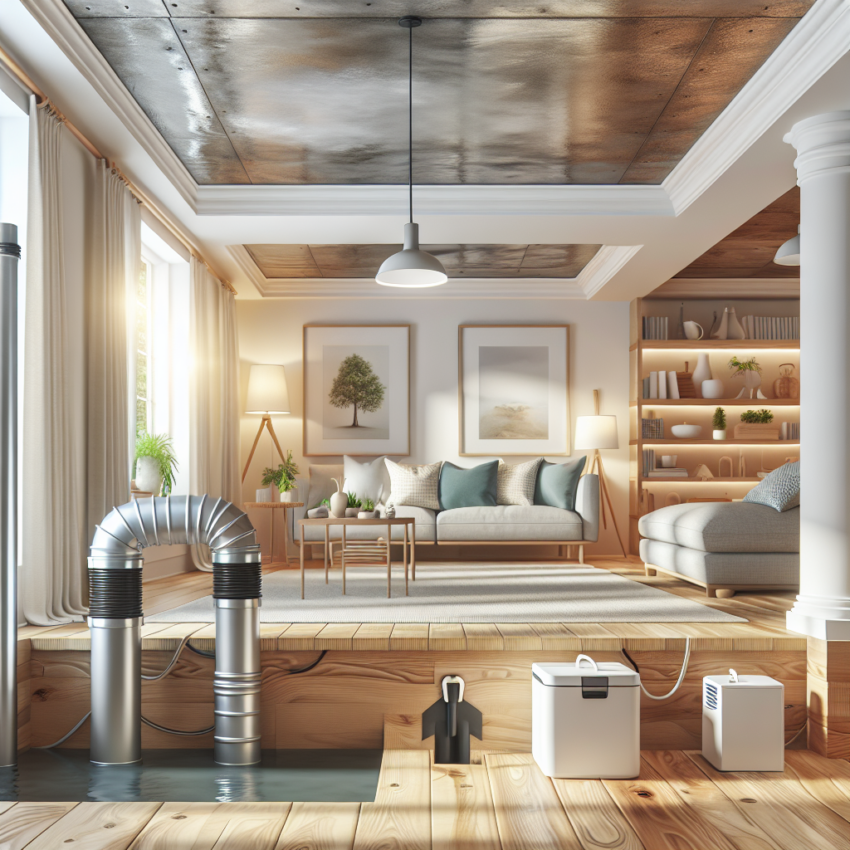
Experiencing water in your basement can be a frustrating and potentially damaging situation. It not only poses risks to your home’s structural integrity but can also lead to mold growth and health concerns. Whether it’s due to heavy rainfall, poor drainage, or a leaky foundation, addressing the issue promptly is crucial. In this guide, we will explore effective strategies to tackle water in your basement and prevent future flooding incidents.
Understanding the Causes of Water in Basement
Before diving into solutions, it’s essential to understand why water is entering your basement. Common causes include inadequate drainage systems, clogged gutters, foundation cracks, and hydrostatic pressure. Identifying the root cause is the first step in implementing the right solution.
Improve Your Drainage System
One of the most effective ways to prevent water from entering your basement is to ensure proper drainage around your home. This can involve installing French drains, improving yard grading, and ensuring downspouts direct water at least six feet away from the foundation.
Regular gutter cleaning is vital to prevent clogs that can lead to water overflowing and saturating the ground near the foundation.
Seal Cracks in Your Foundation
Cracks in your foundation can allow water to seep into your basement, leading to significant damage over time. Use epoxy or polyurethane injection products to seal these cracks and prevent future leaks. Repairing these issues can make a significant difference in maintaining a dry basement.
Install a Sump Pump
A sump pump is an invaluable tool in managing water in your basement. This device automatically pumps out water that collects in a sump basin, preventing flooding and keeping your basement dry. Ensure your sump pump has a battery backup to function during power outages associated with heavy storms.
Ensure Proper Yard Grading
Your yard should slope away from your home’s foundation to keep water from pooling near the base. If necessary, regrade the landscape to ensure water flows away from your house, helping to protect your basement from excessive moisture.
Waterproof Your Basement
Waterproofing your basement is a proactive approach to prevent leaks and seepage. This involves applying waterproof coatings or sealants to the interior walls and floors, creating a barrier against water intrusion. In addition, proper ventilation can help reduce humidity and moisture levels.
Maintaining a Dry Basement
Regular maintenance and proactive measures are key to preventing water in your basement. Keep gutters and downspouts clean, check for new foundation cracks, and monitor basement moisture levels. Being attentive to these details will help you identify and address potential issues before they become major problems.
For those battling persistent issues or seeking professional advice, consider reaching out to experts who can assess your situation and provide tailored solutions. In severe cases, professional installation of waterproofing systems may be necessary.
By understanding the common causes and implementing practical solutions, you can effectively manage and prevent water in your basement. Taking action now can save you from costly repairs and ensure a safe, dry home environment.
Conclusion
Dealing with water in basement areas requires a proactive approach. Implementing effective drainage systems, repairing foundation cracks, and maintaining waterproofing methods will help. By staying vigilant and addressing potential issues promptly, you can protect your home and avoid future flooding challenges. For more information on maintaining a dry environment, check external sources like this Wikipedia article.
- Identify and address the root causes of basement water.
- Proper drainage and gutter maintenance are crucial.
- Seal foundation cracks to prevent seepage.
- Sump pumps and waterproofing can mitigate flooding risks.
- Regular inspections help in proactive water management.
What are the most common causes of water in the basement?
Common causes include poor drainage, gutter clogs, foundation cracks, and hydrostatic pressure forcing water into the basement.
How can I improve drainage around my home?
Improve drainage by installing French drains, ensuring proper yard grading, and maintaining clean gutters and downspouts.
Is waterproofing my basement necessary?
Waterproofing is essential, especially in areas prone to flooding, as it can prevent leaks and moisture buildup in the basement.
How often should I check my basement for water issues?
It’s advisable to inspect your basement for water issues at least twice a year, especially following heavy rains or snow melts.
Can landscaping affect my basement water problem?
Yes, landscaping plays a significant role. Proper grading and drainage systems in your landscape can prevent water from pooling near your foundation.