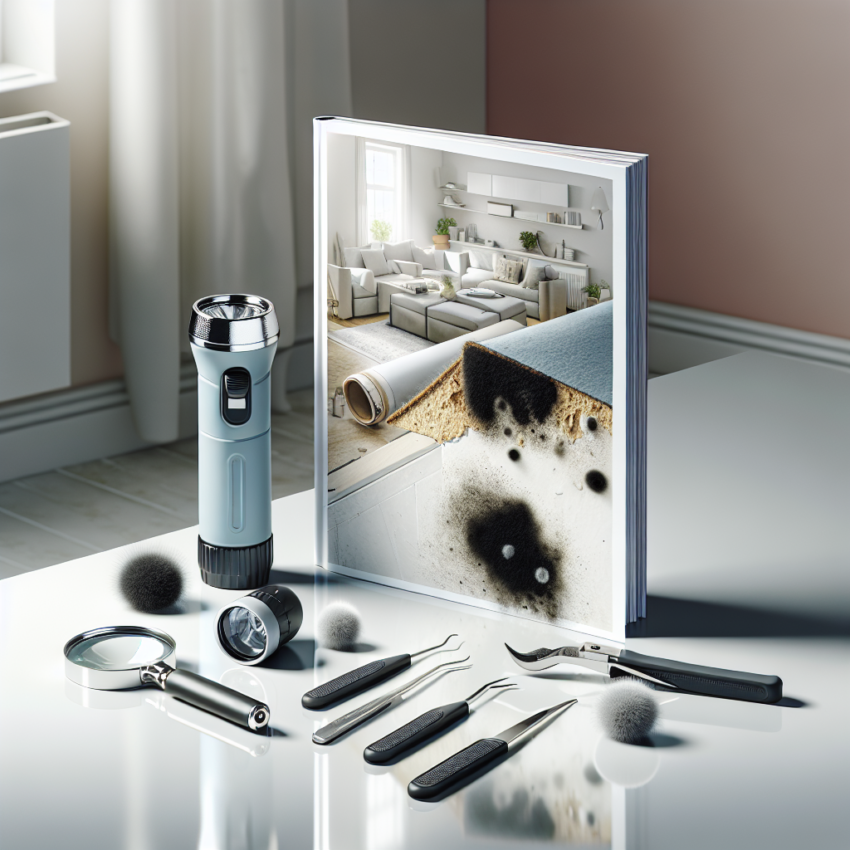
Black mold, scientifically known as Stachybotrys chartarum, is a type of fungus often found in damp or water-damaged building materials. It is crucial to know what does black mold look like to accurately identify it and take necessary action. This mold typically appears as a greenish-black cluster on surfaces like drywall, wood, or carpet. Understanding its appearance and the health risks associated is essential for maintaining a healthy living environment.
What Does Black Mold Look Like?
If you’re wondering what does black mold look like, it’s important to recognize its primary characteristics. Black mold is often slimy or wet in appearance, and it tends to grow in places that stay damp, such as basements, bathrooms, and kitchens. It usually starts as small black spots and over time, can spread into larger patches. The color isn’t always entirely black; it can range from dark green to a brownish hue under certain conditions.
How to Identify Black Mold
Identifying black mold requires a careful inspection of areas with potential water damage or excessive moisture. Look for clusters of dark, slimy spots or patches, which are indicative of mold growth. These are often accompanied by a musty odor. If the mold is powdery rather than slimy, it’s likely a different species. Remember, though, the only way to definitively identify black mold is through professional testing.
Health Risks of Black Mold Exposure
Exposure to black mold can contribute to various health issues, especially for those with allergies, respiratory conditions, or weakened immune systems. Symptoms often include coughing, sneezing, skin irritation, and even more severe respiratory problems like asthma attacks. While not everyone may be affected, being aware of these potential risks is important for informed living.
In severe cases, prolonged exposure can lead to chronic respiratory diseases and other severe conditions. To understand more about managing health risks related to mold, visit Mold Health Issues on Wikipedia.
Preventing Black Mold Growth
Preventing black mold involves controlling moisture levels in your home. This includes repairing leaks, using dehumidifiers, and ensuring proper ventilation. Regular inspections of areas prone to dampness can help catch potential problems early. Using mold-resistant products in constructions or renovations is also advisable for long-term prevention.
Cleaning Up Black Mold
When black mold is identified, it’s vital to address it promptly. Small areas (less than 10 square feet) can be cleaned up using water and detergent or a dedicated mold cleaning solution. However, if you suspect the infestation is large or you’re experiencing health-related issues, it’s best to contact professionals for removal. For more guidance on maintaining a healthy home and additional health topics, visit our health section.
Understanding what does black mold look like and knowing how to deal with it effectively can safeguard your home and health. By staying informed and acting quickly, you can significantly minimize the health risks associated with this fungus.
- Black mold appears as greenish-black clusters on damp surfaces.
- Identifying and removing black mold promptly is crucial for health.
- Exposure can lead to respiratory issues, especially in vulnerable groups.
- Control moisture to prevent mold growth.
- Professional help is advisable for extensive infestations.
What are the signs of black mold in the home?
Signs of black mold include dark, slimy patches on walls or ceilings and a persistent musty smell. You may also notice water stains or surface discoloration where the mold is growing.
Can black mold cause health problems?
Yes, black mold can pose health risks, particularly respiratory issues, skin irritation, and sinus congestion. Individuals with allergies or asthma may experience more severe reactions.
Where is black mold commonly found?
Black mold is commonly found in areas with high moisture levels, such as basements, bathrooms, and around leaky plumbing. It thrives on materials like wood, drywall, and carpeting.
How can I prevent black mold in my home?
To prevent black mold, ensure your home is well-ventilated and reduce humidity levels. Promptly repair any leaks and use mold-resistant materials during renovation projects.
What should I do if I find black mold?
If you find black mold, clean it immediately with a suitable cleaning solution if the area is small. For extensive mold growth, it’s advisable to hire professional mold remediation services.