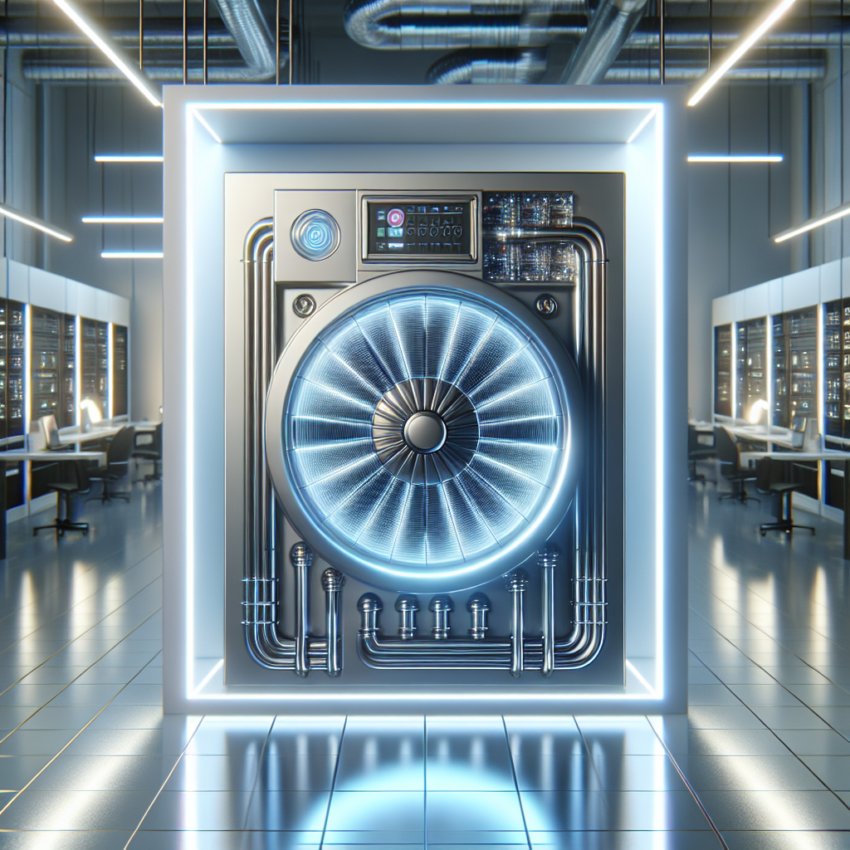
The HVAC industry is constantly evolving as new technologies and innovations emerge. Staying updated with the latest HVAC news is crucial for professionals and consumers who wish to remain informed about the latest trends and advancements. This article dives into the newest developments in the HVAC field, highlighting significant changes that are shaping the future of heating, ventilation, and air conditioning systems.
Revolutionary HVAC News: What’s Shaping the Industry?
In recent years, the HVAC industry has seen significant advancements, particularly with the integration of smart technology. Smart thermostats and HVAC systems allow homeowners to manage their heating and cooling remotely, leading to enhanced energy efficiency. This evolution is part of a larger movement towards smart homes, where appliances and systems are connected through the Internet of Things (IoT).
Moreover, sustainability is a major focus in current HVAC industry news. With increasing awareness about climate change, there’s a push towards more eco-friendly systems. Examples include the use of sustainable refrigerants and HVAC designs that reduce carbon emissions. These innovations not only cater to the environment but also offer cost savings in the long run due to improved energy efficiency.
Smart Technology and IoT Integration
Smart technology is transforming how we interact with HVAC systems. Smart thermostats, such as those that connect to Wi-Fi, are now prevalent. They offer features like learning algorithms that adjust heating and cooling based on user habits, thereby optimizing energy consumption. The ability to control HVAC systems via smartphones or voice commands is becoming standard practice, making it easier for users to adjust settings on the go.
- Smart thermostats can adapt to user habits, saving energy.
- Remote control features increase convenience and efficiency.
- Integration with other smart home devices enhances user experience.
Eco-Friendly Innovations in HVAC Industry News
The HVAC sector is making strides in addressing environmental concerns through sustainable practices. Alternatives to traditional refrigerants, which are known to harm the ozone layer, are being developed and implemented. New refrigerants, which have lower global warming potential, are a focal point in the latest industry news.
Additionally, advanced HVAC systems now incorporate energy storage technologies, allowing them to store excess energy for later use. This innovation helps flatten energy demand peaks, further contributing to environmental preservation and cost efficiency.
Energy Efficiency and Cost Savings
Improving energy efficiency remains a top priority in HVAC industries. New technologies focus on maximizing system performance while minimizing energy usage. Innovations like variable speed compressors and heat pumps enhance energy efficiency by adjusting the speed based on heating and cooling needs.
These advancements translate into significant cost savings for consumers. By investing in modern, energy-efficient systems, homeowners can witness a substantial reduction in their utility bills while simultaneously reducing their carbon footprint.
The Role of AI and Machine Learning
Artificial Intelligence (AI) and Machine Learning (ML) are taking central roles in the latest HVAC news. These technologies are being employed to predict maintenance issues before they occur, prolonging the lifespan of HVAC systems. AI algorithms can analyze data from system sensors to forecast potential failures and optimize performance, leading to fewer breakdowns and lower maintenance costs.
This proactive approach not only enhances system reliability but also provides peace of mind to users through predictive maintenance alerts and troubleshooting tips.
The Future of HVAC: Innovations on the Horizon
Looking ahead, the HVAC industry is poised for even more transformative changes. As technologies develop, the integration of AI, IoT, and sustainable practices is expected to become standard across all types of systems. The emphasis on smart homes will likely increase, making all aspects of heating, ventilation, and air conditioning more intuitive and user-friendly.
Moreover, there’s potential for significant advancements in energy-efficient designs that could revolutionize both residential and commercial HVAC systems. The promise of ever-greater sustainability and efficiency ensures that the HVAC industry will remain dynamic and forward-thinking in the years to come.
Staying abreast of the latest developments in the HVAC industry is essential for anyone who wants to make informed decisions about their home or business’s heating and cooling needs. As we continue to navigate an era of technological advancement and environmental responsibility, the latest HVAC news offers a glimpse into a future where innovation leads to a healthier, more sustainable world.
- HVAC technology is rapidly advancing with smart features.
- Sustainable practices are a critical aspect of modern HVAC systems.
- Energy efficiency is key for both cost savings and environmental protection.
What are the latest technologies in HVAC systems?
The latest technologies in HVAC systems include smart thermostats, IoT integration, and AI-driven predictive maintenance, all aiming to improve energy efficiency and user convenience.
Why is sustainability important in the HVAC industry?
Sustainability is important to reduce environmental impacts, such as lowering carbon emissions and minimizing the use of harmful refrigerants, while also presenting cost-saving opportunities for consumers.
How does AI impact HVAC maintenance?
AI impacts HVAC maintenance by utilizing predictive algorithms to foresee and address potential system failures before they occur, enhancing system reliability and reducing downtime.
What role does IoT play in modern HVAC systems?
IoT enables remote control and monitoring of HVAC systems, increasing convenience and efficiency as systems can adjust in real-time based on user behavior and environmental conditions.
What future trends are expected in the HVAC industry?
Future trends in the HVAC industry include greater integration of AI and IoT, enhanced energy-efficient designs, and a continued focus on sustainable practices to meet environmental and economic demands.