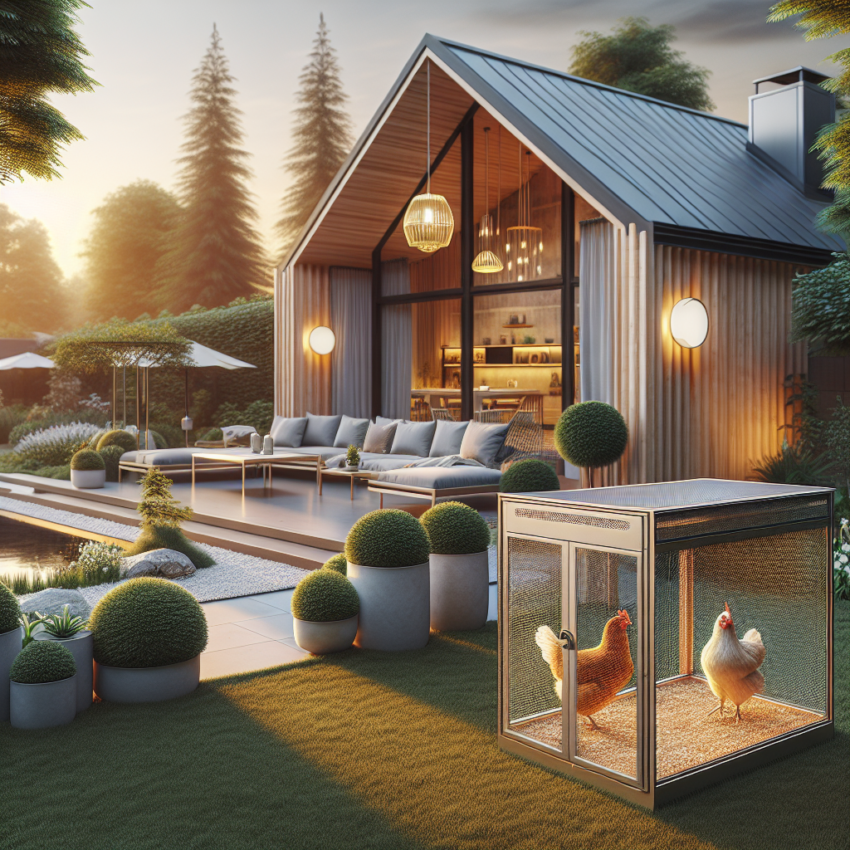
Choosing the right chicken coop plans is essential for any backyard enthusiast eager to start raising chickens. Whether you’re new to this hobby or a seasoned pro, creating a safe and comfortable environment for your feathered friends requires planning and foresight. Well-designed coop plans will not only ensure the wellbeing of your chickens but also enhance your backyard’s appeal and functionality.
Benefits of Choosing the Right Chicken Coop Plans
The best chicken coop plans are tailored to your specific needs, taking into account the number of chickens you plan to keep, your available space, and local climate conditions. A well-thought-out coop provides essential protection from predators and adverse weather while ensuring adequate ventilation and space.
Moreover, having a tailor-made coop can improve egg production and health among your chickens by minimizing stress and promoting natural behavior. By investing time in selecting or designing an effective plan, you can enjoy the full benefits of backyard chicken raising and have a thriving flock.
Size and Space Considerations
When designing your coop, consider how many chickens it will house. An overcrowded environment can lead to health issues, such as disease and feather pecking. As a rule of thumb, allow for at least two to three square feet per chicken inside the coop and about eight to ten square feet per bird in the attached run.
Think about the layout of the coop as well. Nesting boxes, roosting poles, and feeders should be easily accessible and well placed to avoid congestion. Ensure there is enough room for chickens to move freely and retreat when needed.
Materials and Construction
The materials you choose for your chicken coop will affect its durability and insulation properties. Opt for sturdy, weather-resistant materials like pressure-treated wood to withstand outdoor conditions. It’s also crucial to include insulation or a high-quality roof, especially in regions with extreme temperatures.
Design features such as secure lockable doors, well-fitted windows covered with hardware cloth for ventilation, and raised floors to prevent flooding are important for a successful chicken coop plan. Consider incorporating a small storage space or area to keep supplies handy without crowding the main coop space.
Customization and Aesthetic Enhancements
One of the joys of constructing a chicken coop is the option to customize it to reflect your style. Whether you prefer a rustic look or a modern design, numerous chicken coop plans can meet your aesthetic preferences. Adding decorative elements like flower boxes, paint, or trim can enhance the coop’s appearance while maintaining functionality.
Lining the coop with shatterproof glass or Plexiglas can offer additional protection while allowing natural light to enter, boosting the chickens’ health and egg production. You may also want to provide perches at varying heights to encourage exercise and keep chickens active.
Meeting Legal and Environmental Guidelines
Before building your coop, it’s essential to understand local ordinances and regulations regarding backyard chickens. Many areas have rules on flock sizes and the proximity of coops to residences and property lines. Following these guidelines can help you avoid penalties and ensure your coop remains a welcome part of the community.
Additionally, aim to incorporate environmentally friendly practices into your coop design. This could include using sustainable resources, installing rain barrels for water collection, or using solar-powered lighting.
Maintenance and Cleaning
Easy maintenance should be a key feature of any chicken coop plan. Consider coops with removable floors or pull-out trays that make weekly cleaning hassle-free. Access features like doors or panels should be large enough to allow easy cleaning and maintenance.
Regular upkeep like this not only helps maintain hygienic conditions within the coop, reducing the risk of disease, but can also extend the life of your structure.
Conclusion
Developing the perfect chicken coop plans for your backyard can be a rewarding experience, uniting functionality with creativity. By considering size, materials, customization, legal guidelines, and maintenance, you can create an environment where your chickens thrive while boosting the aesthetic appeal of your backyard. For additional guidance on sustainable practices in home and garden projects, check out this informative article on natural remedies and sustainable solutions.
For a comprehensive review of different chicken breeds and their needs, you can visit the relevant Wikipedia page.
- Design your chicken coop with space, ventilation, and climate in mind.
- Consider using high-quality, weather-resistant materials for longevity.
- Customize your coop to reflect your personal style and needs.
- Ensure compliance with local regulations and zoning laws.
- Regular maintenance is key to a healthy and happy flock.
FAQ
What size should my chicken coop be?
Adequate space is crucial: allow at least two to three square feet per chicken inside the coop and about eight to ten square feet in the run.
What materials are best for building a chicken coop?
Use pressure-treated wood and weather-resistant materials for durability. Insulation and a robust roof are important for withstanding various weather conditions.
How can I make my chicken coop attractive?
Incorporate personalized elements like paint, trim, or decorative additions such as flower boxes and perches to enhance appeal.
Are there specific regulations I need to follow when building a coop?
Check local ordinances for rules about flock size and coop placement. Adhering to these regulations will help avoid legal issues.
How often should the chicken coop be cleaned?
Regular cleaning, at least weekly, is advised to maintain hygiene. Design elements like removable floors can make this process easier.