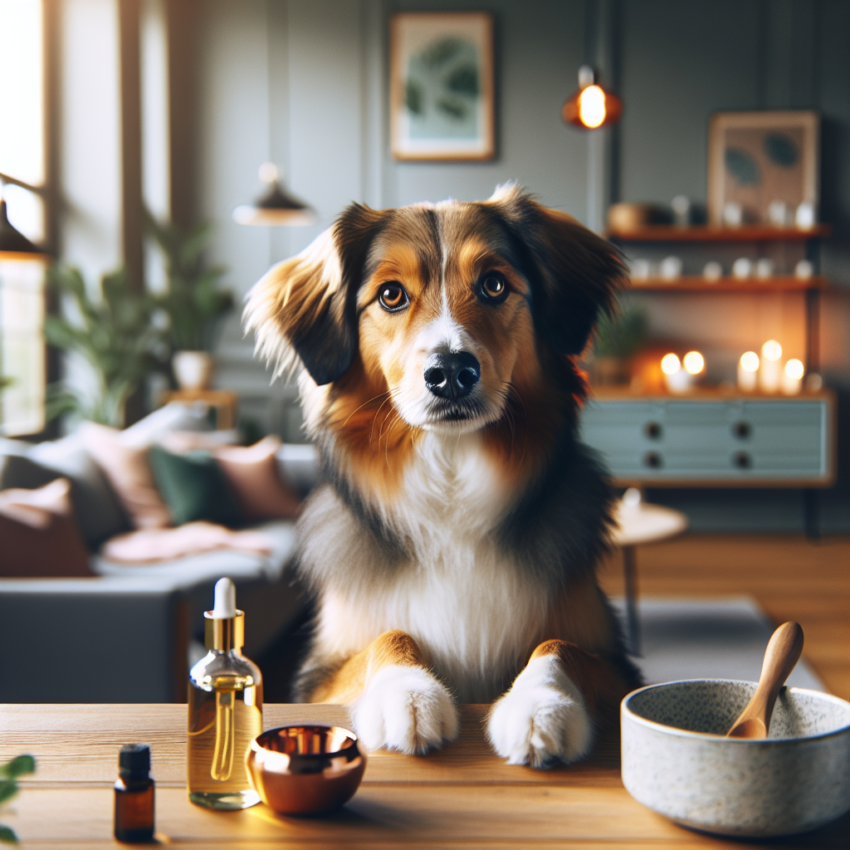
Peppermint oil, known for its invigorating scent and multiple uses in human wellness, is gaining attention from dog owners looking for natural solutions. But is peppermint oil safe for dogs? This question often arises for pet parents eager to explore alternative care options. Understanding its safety and the correct usage is crucial to ensuring your furry friend’s health.
Is Peppermint Oil Safe for Dogs?
Peppermint oil contains menthol and menthone, compounds that provide its distinctive aroma and therapeutic properties. However, these same compounds can pose risks if not used correctly around dogs. Dogs, with their sensitive noses and skin, may experience adverse reactions if exposed to high concentrations of peppermint oil. It is essential for pet owners to understand both the potential benefits and risks associated with its use.
Potential Benefits of Peppermint Oil for Dogs
When used appropriately, peppermint oil may offer several benefits for dogs. It is often utilized for its potential to repel fleas and ticks, providing a natural alternative to chemical-based pest control products. Additionally, peppermint oil may help support digestive health and alleviate minor discomfort in dogs.
Using Peppermint Oil for Canine Pests
Peppermint oil is celebrated for its insect-repelling properties. Many pet owners apply diluted forms of the oil to prevent flea and tick infestations. However, it is crucial to ensure the oil is properly diluted to avoid skin irritation or respiratory issues in dogs. Consulting with a veterinarian before applying any essential oil topically or diffusely is highly recommended.
Digestive Benefits and Aromatherapy
Some believe that peppermint oil can aid in soothing digestive upset in dogs. When used in aromatherapy, it may help calm a dog’s nervous system during stressful situations. Always use a diffuser to distribute the oil safely, ensuring your dog has access to fresh air and can leave the room if desired. For digestive aid, only the gentlest, vet-recommended dosages should be considered.
Risks and Precautions of Peppermint Oil on Dogs
While peppermint oil does have several potential benefits, it also poses risks, particularly when used improperly. The concentrated nature of essential oils means they can be too intense for a dog’s sensory system. Issues can range from minor skin irritations to more severe reactions affecting the nervous system.
Recognizing Symptoms of Adverse Reactions
Dogs exposed to undiluted or overly concentrated peppermint oil may exhibit symptoms such as drooling, vomiting, tremors, or difficulty breathing. If any of these symptoms are observed, it is essential to remove the dog from the exposure area and consult a veterinarian immediately.
Safe Practices for Using Peppermint Oil
Always ensure peppermint oil is diluted with a carrier oil, such as coconut or olive oil, at a minimal concentration before applying it to your dog’s skin. Avoid using peppermint oil on puppies, elderly dogs, or those with existing health issues without prior veterinary approval. Maintaining a safe environment for your pet must always be the top priority.
For an in-depth guide on managing pain and discomfort in pets, explore this article on effective pain management for pets.
Conclusion
So, is peppermint oil safe for dogs? The answer lies in informed, cautious use. When following safety guidelines and consulting with a veterinarian, peppermint oil may serve as a natural remedy for various canine issues. However, understanding the risks and proper application methods is essential to ensure the well-being of your pet.
- Understand the potential benefits and risks of peppermint oil for dogs.
- Always dilute peppermint oil before use.
- Consult a veterinarian before introducing any new treatment.
- Observe for adverse reactions when using essential oils.
- Peppermint oil may help with fleas, ticks, and digestive support.
FAQ
Can peppermint oil be used directly on a dog’s skin?
No, peppermint oil should always be diluted before applying to a dog’s skin to prevent irritation or more severe reactions.
What are the signs of an adverse reaction to peppermint oil?
Symptoms may include drooling, vomiting, tremors, or labored breathing. Contact a veterinarian if these occur.
How can peppermint oil be safely used as an insect repellent?
When diluted properly, it can be applied to a dog’s collar or bedding. Always opt for a veterinarian-approved product or dilution ratio.
Is peppermint oil safe for all dogs?
Puppies, elderly dogs, or those with health issues may be more sensitive. Always consult a veterinarian before use.
Where can I find more information on essential oil safety for pets?
For a general overview, this Wikipedia article on health provides reliable insights into various health topics, including essential oils. Always seek out professional advice tailored to pet care needs.