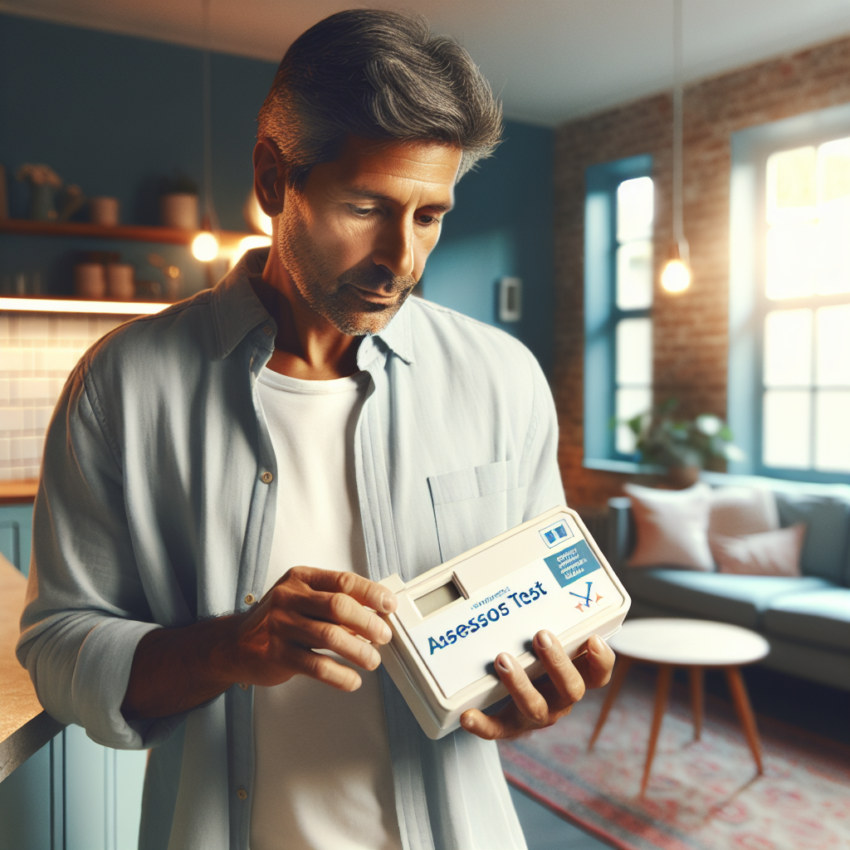
In recent years, the awareness around home safety has increased significantly, with a particular focus on harmful substances that may lurk within our walls. One of the key areas of concern is asbestos, a naturally occurring mineral fiber that has been linked to various health risks. Many homeowners are turning to an asbestos test kit as a first step in ensuring their homes are free from this dangerous material. An asbestos test kit empowers homeowners to conduct a preliminary check before calling in professional inspectors for further evaluation. But why is this kit necessary, and how does it work? Let’s explore the importance of testing for asbestos and how a test kit can make a difference.
Why Use an Asbestos Test Kit?
An asbestos test kit is designed to help homeowners identify the presence of asbestos-containing materials in their homes. Asbestos was commonly used in building materials before its health risks were fully understood. Its resistance to heat and durability made it ideal for construction purposes. However, now we know that inhaling asbestos fibers can lead to serious health issues, including asbestosis, lung cancer, and mesothelioma.
Using an asbestos test kit allows homeowners to perform the initial testing themselves, targeting areas like insulation, tiles, or ceiling materials that were typically known to contain asbestos. It’s an affordable solution for those who want to have peace of mind without the immediate expense of professional testing. However, it’s important to remember that if asbestos is detected, professional handling and removal are essential for safety.
Understanding How Asbestos Test Kits Work
Generally, an asbestos test kit includes all the necessary tools for collecting samples safely. Most kits come with protective gloves, sample bags, and detailed instructions to guide users through the process. Here’s a brief overview of how these kits generally work:
- Identify the area you suspect may contain asbestos, such as insulation or floor tiles.
- Follow the instructions carefully to collect a sample. Make sure to wear the protective gear provided to avoid inhaling any fibers.
- Seal the sample in the bag provided in the kit and send it to the designated laboratory for analysis.
- Await the results, which typically arrive within a few days, depending on the lab’s processing time.
While using an asbestos test kit provides convenience, accuracy often depends on handling and collecting samples accurately. Moreover, homeowners should refrain from significantly disturbing potential asbestos materials, as this can cause fibers to become airborne.
Risks of Asbestos Exposure
The health implications of asbestos exposure are severe, which underscores the importance of testing. When asbestos fibers are inhaled, they can cause significant damage to lung tissue, leading to diseases—all of which may take years to manifest. Conditions associated with asbestos exposure include:
- Asbestosis: A chronic lung condition resulting from prolonged asbestos exposure, leading to scarring of tissues.
- Lung Cancer: Asbestos exposure increases the risk of lung cancer, especially among smokers.
- Mesothelioma: A rare form of aggressive cancer affecting the linings of the lungs, abdomen, or heart.
Given these health risks, understanding whether your home contains asbestos can significantly impact your health and safety decisions. Professional removal services must handle any confirmed asbestos to reduce exposure risks.
Professional Inspection and Removal
If an asbestos test kit indicates the presence of asbestos, the next step should be contacting licensed professionals. These experts can perform a comprehensive inspection and, if necessary, safely remove asbestos materials following regulatory standards. Attempting to remove asbestos without professional help may exacerbate the situation by releasing harmful fibers into the air.
Maintaining a healthy home extends beyond structural safety. For those interested in holistic wellness within their homes, exploring natural remedies and supplements might be an avenue to consider for enhancing well-being.
Final Thoughts on Embracing Home Safety
Emphasizing home safety goes beyond appearances; it’s about taking proactive steps to secure a healthy living environment. An asbestos test kit is an invaluable tool in this regard, equipping homeowners with the knowledge needed to take further action. While the process of testing yourself is straightforward, remember that professional intervention is necessary for removal or handling of asbestos materials. Asbestos testing is an important step in fostering peace of mind and ensuring that your home is truly a safe haven.
For further reading on asbestos health risks, please visit this comprehensive resource.
- An asbestos test kit allows for initial home testing of potentially hazardous materials.
- Asbestos exposure can lead to severe health issues, including lung diseases.
- Professional services are crucial for confirmed asbestos removal.
- Regular testing can enhance home safety and health standards.
FAQ
What is asbestos?
Asbestos is a group of naturally occurring fibrous minerals known for their resistance to heat, electricity, and corrosion. Historically used in construction materials due to these properties, it is now avoided because of health risks related to inhalation of fibers.
How can I identify materials that might contain asbestos?
Typically, buildings constructed before the late 1980s may contain asbestos in areas such as insulation, floor tiles, cement products, and shingles. A professional inspection or using an asbestos test kit can help identify these materials.
Are asbestos test kits reliable?
When used correctly, asbestos test kits can reliably screen for asbestos-containing materials. However, accuracy depends on correct sample collection and handling. Confirmatory testing by professionals is always recommended if asbestos is suspected.
How often should I test for asbestos?
If you live in an older home and have not conducted any previous tests, it is a good idea to perform an initial test. After this, testing is generally only necessary if you plan renovations or if specific symptoms or damages suggest possible asbestos disturbance.
What should I do if my test indicates asbestos?
Contact a licensed professional immediately for further assessment and removal. Do not attempt to remove or disturb asbestos on your own, as this may increase your exposure to hazardous fibers.