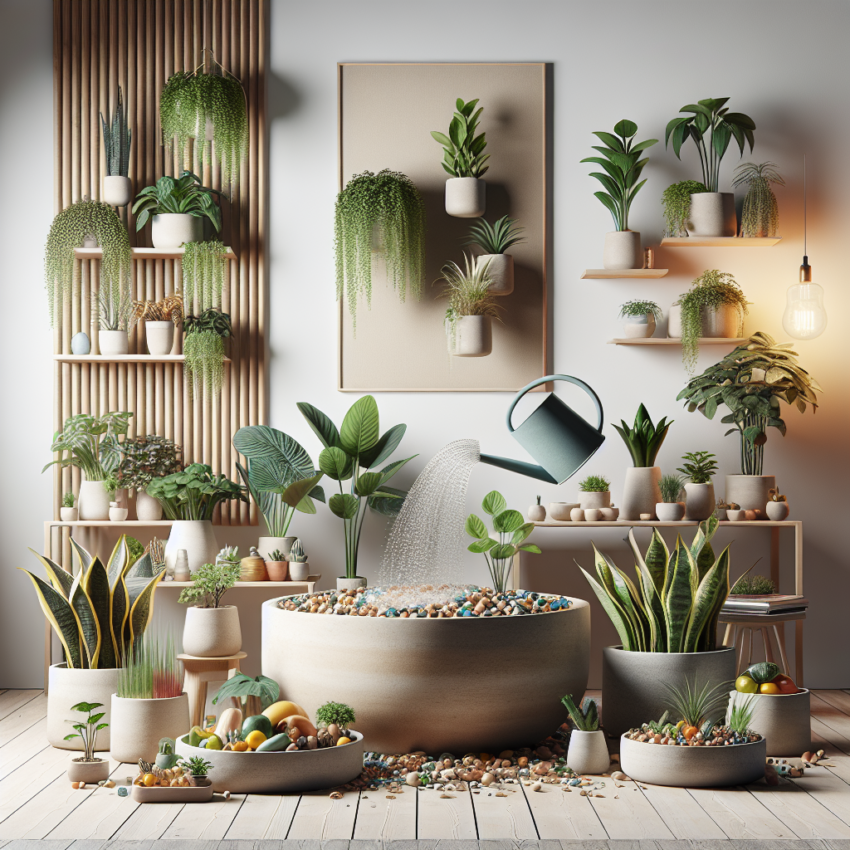
Core watering is a strategic approach to keeping plants healthy by ensuring their roots receive adequate moisture. Unlike surface watering methods that might leave the deeper roots dry, core watering focuses on delivering water directly to the root zone where it’s needed the most. This method can be particularly beneficial in promoting robust growth and maintaining a balanced indoor environment.
Understanding Core Watering
Core watering involves using techniques that allow water to penetrate deeply into the soil, reaching the plant’s root zone effectively. This can be achieved through various methods such as using soaker hoses, drip irrigation systems, or by manually watering with a deep-root delivery tool. The goal is to create a watering routine that mimics the natural rainfall process, ensuring plants receive consistent and adequate moisture.
When considering core watering for your home and garden, it’s important to understand the specific needs of your plants. Different species have different watering requirements, and factors such as soil type, climate, and plant size can significantly influence how much water your plants will need. To optimize your core watering efforts, consider consulting resources like this comprehensive guide to irrigation installation.
Benefits of Core Watering
Implementing a core watering system offers numerous advantages that make it an appealing choice for both home gardeners and professional landscapers. By focusing on the roots, plants are less likely to suffer from water stress, which can lead to healthier growth and improved resistance to diseases. Additionally, core watering can help prevent common issues such as root rot or fungal infections that often result from overwatering or inconsistent moisture levels.
One of the key benefits of core watering is water conservation. By targeting the root zone, less water is lost to evaporation or runoff, making it an environmentally friendly method that helps conserve valuable water resources. This approach is particularly beneficial in regions facing water scarcity challenges.
Choosing Core Watering Techniques
There are several methods to achieve core watering, each with its own set of benefits and considerations. Drip irrigation systems are a popular choice for their precision and efficiency. They deliver water directly to the soil surface slowly, allowing it to seep down to the roots without causing soil erosion.
Soaker hoses offer another effective solution for core watering. These hoses can be arranged around the base of plants to ensure even distribution of water along their length. For smaller gardens or individual plants, a deep-root watering tool can be used to manually water directly at the root level.
For those looking to automate the process, installing a more sophisticated irrigation system can be beneficial but may require an initial investment. These systems can be customized to a specific landscape’s needs, ensuring consistent watering without manual intervention.
Common Mistakes in Core Watering
As with any gardening technique, there are some common mistakes to avoid when practicing core watering. The most frequent issue is improper timing. Watering at the wrong time of day can lead to increased evaporation, reducing the efficiency of core watering. It’s best to water early in the morning or late in the afternoon when temperatures are lower.
Another mistake is failing to adjust watering frequency based on weather conditions. Plants need less water during cooler months or after substantial rainfall. Conversely, during dry spells, they may require more frequent watering.
The Impact of Soil and Plant Types
The type of soil you have will significantly impact the effectiveness of core watering. Sandy soils, for example, drain quickly and may require more frequent watering than clay soils, which can retain moisture for longer periods.
It’s equally important to consider the plant species you are growing. Drought-tolerant plants, like succulents, may not require core watering as frequently as water-loving varieties such as ferns or tropical plants. Understanding the specific needs of your plants is crucial for ensuring they thrive under a core watering regimen.
Conclusion
Mastering core watering is essential for any gardener aiming to create a thriving plant environment while maintaining a healthy home. By focusing on the root zone, you can provide your plants with the necessary nutrients and moisture they need for optimal growth. Whether through sophisticated irrigation systems or simple manual tools, core watering helps maintain plant health and conserves water, contributing to sustainable gardening practices.
- Core watering is focused on delivering water directly to plant roots.
- It helps in conserving water and prevents common gardening issues.
- Choose techniques like drip systems or soaker hoses for effective results.
- Avoid common mistakes like poor timing and inadequate frequency adjustments.
- Understanding your soil and plant types is key to successful core watering.
What is core watering?
Core watering refers to the practice of directing water deep into the soil to reach the root zone of plants, promoting their health and sustaining growth.
How does core watering conserve water?
By delivering water directly to the roots, core watering minimizes evaporation and runoff, making it a more efficient and environmentally friendly method than surface watering.
What tools can be used for core watering?
Common tools include drip irrigation systems, soaker hoses, and deep-root watering tools, each offering unique benefits depending on your specific gardening needs.
Can core watering be automated?
Yes, automated irrigation systems can be designed to provide core watering on a regular schedule, ensuring consistent moisture without manual effort.
Why is adjusting watering frequency important in core watering?
Adjusting the watering frequency based on climate conditions and plant requirements ensures that plants receive adequate moisture without over- or under-watering, promoting healthy growth.