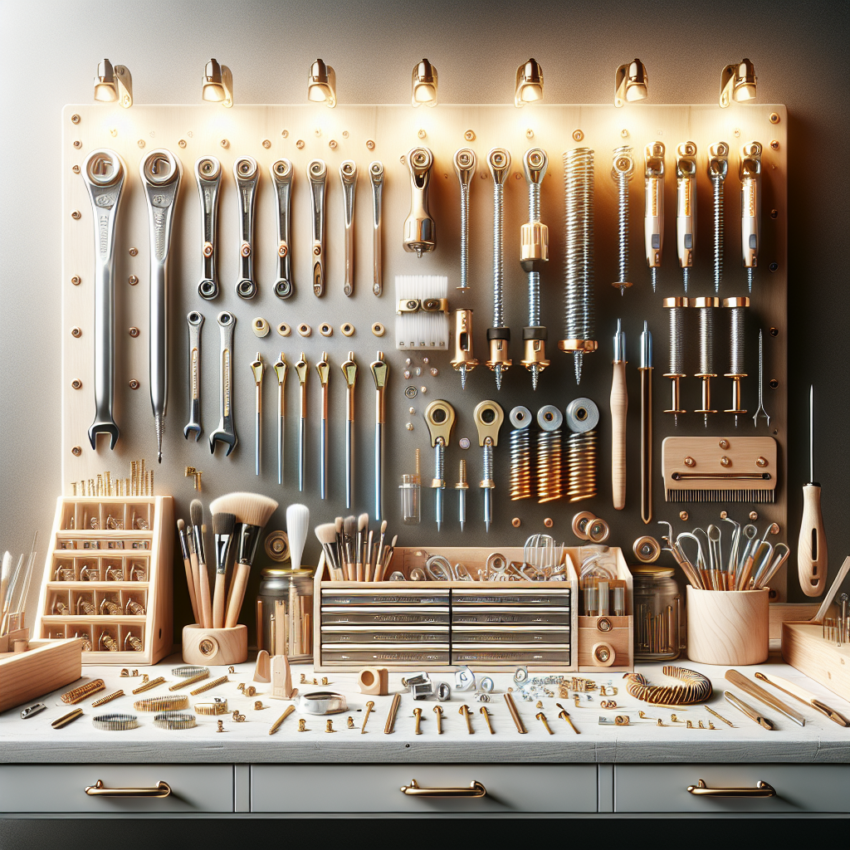
Mastering home improvement can be a rewarding challenge, and one essential skill in your toolkit should be selecting the right wall anchors. Whether you’re hanging a heavy mirror or installing shelves, understanding the right anchor types to use is crucial for ensuring stability and safety. In this guide, we’ll explore different types of wall anchors, their uses, and provide tips to help you make informed decisions in your home improvement projects.
Understanding Wall Anchors
Wall anchors are small, sturdy devices that allow you to securely attach objects to walls, especially when there’s no access to a stud. They distribute the weight of the object and prevent damage to the wall. From hollow wall anchors to toggle bolts, the variety can be overwhelming, but selecting the right one is vital for your project’s success.
Types of Wall Anchors
Different types of wall anchors serve different purposes, and they are often categorized by the weight they can support and the type of wall they’re suitable for:
- Plastic Expansion Anchors: Ideal for lightweight items and suitable for drywall and masonry. They expand when a screw is inserted, securing the attachment.
- Hollow Wall Anchors: Also known as molly bolts, these are perfect for medium-weight items and work well in drywall and plaster.
- Toggle Bolts: These are heavy-duty anchors used for supporting heavier loads. The toggle mechanism expands inside the wall, providing strong support.
- Self-Drilling Anchors: Great for easy installation; these work by screwing directly into drywall.
- Sleeve Anchors: Commonly used in concrete and masonry for securing heavy objects.
Choosing the Right Wall Anchors
When selecting wall anchors, consider the following factors:
- Wall Type: Determine whether your wall is made of drywall, plaster, concrete, or another material as this influences the type of anchor you choose.
- Weight of Object: Check the anchor’s weight capacity to ensure it can support the item you intend to hang.
- Installation: Some anchors require drilling or other tools. Ensure you have the necessary equipment.
Making the right choice can make a significant difference in the success of your installation and the longevity of your wall’s condition.
Installation Tips for Wall Anchors
Proper installation of wall anchors is crucial for their effectiveness. Here are some tips to ensure your anchors are secure:
- Prepare the Wall: Clean the area where you’ll be installing the anchor. Dust and debris can affect the anchor’s grip.
- Drill the Correct Hole: For expansion and toggle anchors, be sure to drill the hole to the specified size. A hole that’s too large can result in a weak hold.
- Insert the Anchor: Push or lightly tap the anchor into the hole. For some anchors, you’ll need to screw it in.
- Test the Anchor: Once installed, gently pull on the anchor to check its grip before hanging your object.
Correct installation will ensure that whatever you’re hanging stays securely in place without causing damage to the wall structure.
Common Mistakes to Avoid
When working with wall anchors, it’s crucial to avoid these common mistakes:
- Overloading: Using an anchor with a rating lower than the item’s weight can lead to accidents.
- Ignored Wall Composition: Different wall types require specific anchors. Misjudgment can lead to inadequate support.
- Incorrect Anchor Type: Choose anchors suited for the load and wall type to avoid instability.
- Improper Tools: Using incorrect tools, like mismatched drill bit sizes, can prevent anchors from fitting snugly.
Paying attention to these factors can help you avoid headaches down the line and ensure your projects are safe and secure.
For more on related home improvement costs, explore the guide on resurfacing a concrete driveway.
When to Use Professional Help
While many anchor installations are DIY-friendly, certain situations may require professional expertise:
- Heavy Items: Hanging items over 50 pounds might be best handled by professionals to ensure proper support.
- Unfamiliar Wall Materials: Specialty anchors may be needed for materials like lath and plaster or stone, which professionals handle better.
- Complex Installations: Arrangements requiring precision or multiple anchor points might benefit from an expert touch.
Whenever in doubt, consulting a professional can save time and prevent damage.
For more expansive information on general topics, refer to this resource.
- Know your wall type to select the correct anchor.
- Match anchors with the weight of the object.
- Proper installation is key to stability.
- Avoid common mistakes to ensure safety.
FAQ Section
What are wall anchors used for?
Wall anchors are used to securely attach heavy or light items to walls where there are no studs for support, distributing the load and preventing damage.
Are all wall anchors the same?
No, there are different types of wall anchors designed for various wall materials and weight capacities, ranging from plastic expansion anchors to heavy-duty toggle bolts.
Can I use wall anchors in concrete?
Yes, certain types like sleeve anchors are specifically designed for use in concrete and other masonry surfaces.
How do I know which wall anchor to use?
Consider the wall type, the weight of the object you’re hanging, and the installation process. Each of these factors will guide you in choosing the correct anchor.
What happens if I use the wrong wall anchor?
Using the incorrect anchor can result in insufficient support, leading to possible damage, danger, or failure of the anchor under load.
Understanding the importance of selecting the right wall anchors can make a significant difference in the outcome of your home improvement projects. Whether it’s picking the right materials or knowing when to seek professional help, informed decisions help ensure everything stays in place securely.