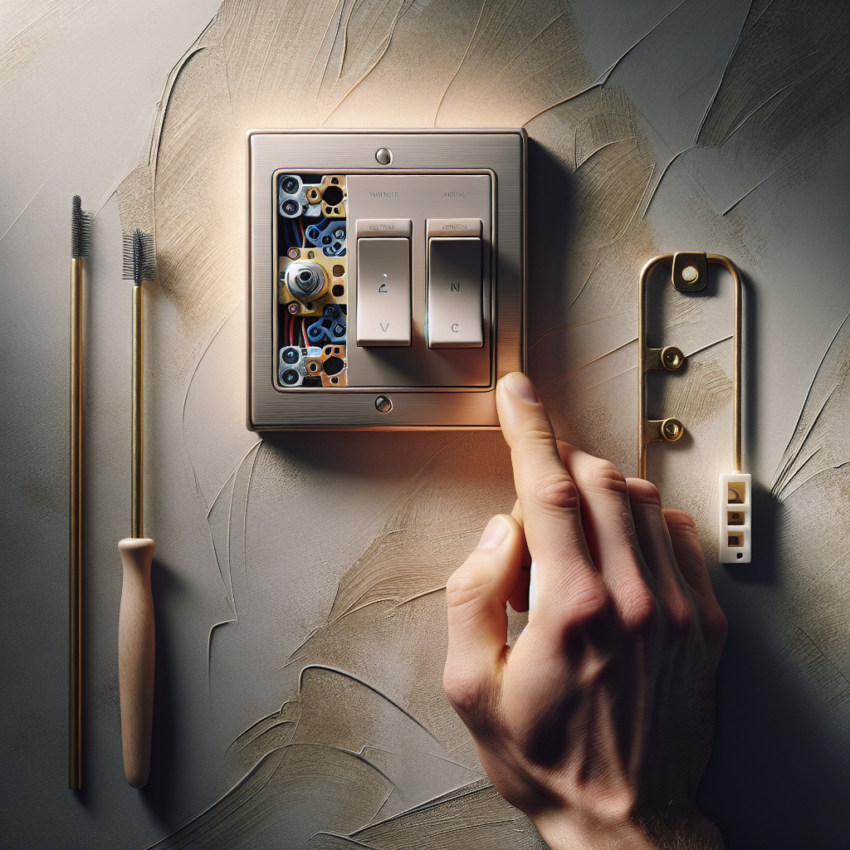
Upgrading your home’s lighting can be a great way to enhance both functionality and aesthetics. Understanding how to wire a light switch is a skillful way to add a personal touch to your lighting features. This guide will walk you through the steps needed to safely and effectively wire a light switch, enhancing your home’s atmosphere while ensuring its safety.
How to Wire a Light Switch
Before starting any electrical project, it’s crucial to ensure your safety. Begin by turning off the power to the circuit you’ll be working on from the main electrical panel. Confirm with a voltage tester that the power is indeed off before proceeding. With safety ensured, you can proceed confidently in learning how to wire a light switch.
Gathering the Necessary Tools and Materials
Having the right tools and materials is important for a smooth installation process. You will need:
- Flat-head and Phillips-head screwdrivers
- Wire stripper and cutter
- Voltage tester
- Electrical tape
- New light switch
- Wire nuts
Understanding Your Existing Wiring
Before replacing the light switch, examine the existing wiring to understand its current configuration. You will typically see two or more wires: line wires, which bring power into the switch, and load wires, which carry power from the switch to the light fixture.
Most new light switches will include clear instructions. If you are replacing an old switch, take note of which wires are connected to the existing switch and their respective terminals.
Removing the Old Switch
With the power off and tools ready, start by carefully removing the switch cover plate with a screwdriver. Next, unscrew the existing switch from the electrical box and gently pull it out to expose the wires. Carefully loosen the terminal screws and disconnect the wires from the switch. Remember the configuration for installing the new switch.
At this stage, it’s a good idea to check for any damaged wires and replace them if necessary. For a detailed look at enhancing your home’s appeal, consider exploring creative options, such as decorating your home with vintage maps for a timeless trend.
Installing the New Light Switch
With your wiring configuration understood, you’re ready to install the new switch. Typically, the process involves connecting the line wire to the terminal marked “Line” or “L.” The load wire connects to the terminal marked “Load” or “Out.” Tighten the terminal screws securely.
If your switch requires grounding, connect the ground wire to the green terminal or a grounding wire. Secure all connections with wire nuts and wrap them with electrical tape for added safety.
Testing Your Work
Once you have installed the new switch, gently push it back into the box and screw it in place. Replace the cover plate, ensuring everything is flush and secure. Finally, restore the power from the electrical panel and test your new switch. If everything is functioning correctly, congratulations! You’ve successfully learned how to wire a light switch.
Be sure to address any issues, such as flickering lights or non-functionality, by double-checking connections and ensuring all wiring is properly secured and insulated.
Safety Precautions
It cannot be overstated how important safety is during electrical work. Always work slowly and methodically, double-checking each step. If you feel unsure at any point, consult a professional electrician to avoid the risk of electric shock or fire.
Light switch installation is a beginner-friendly project that can improve your home’s designs and lighting efficiency. By learning how to wire a light switch properly, you enhance not only your skills but also your living environment.
For broader information on home wiring and safety, NFPA.org offers guidelines and recommendations that are critical to follow.
Takeaways
- Always turn off power at the circuit breaker before starting.
- Use correct tools: wire strippers, screwdrivers, and voltage testers.
- Understand existing wiring configurations before removal.
- Ensure secure connections and use wire nuts for safety.
- Double-check work by testing the functionality of the new switch.
FAQ
What should I do if the light switch doesn’t work?
Verify that the power is on and connections are secure. Use a voltage tester to ensure the circuit is live. If problems persist, consult an electrician.
Can a beginner learn how to wire a light switch safely?
Yes, with careful attention to safety and step-by-step guidelines, a beginner can learn how to wire a light switch effectively and safely.
What if there are more wires than the new switch can accommodate?
Consider using wirenuts to group excess wires and connecting a short pigtail wire to the switch, or consult an electrician for complex configurations.
How do I know if I need a single-pole or a three-way switch?
Single-pole switches are for controlling one light from one location. Three-way switches control one light from two different locations, often found in staircases.
Is it necessary to replace a light switch if it’s functional but old?
Replacing old switches can enhance safety and match your home’s decor, but if they’re functioning well, replacement is not mandatory unless upgrading.