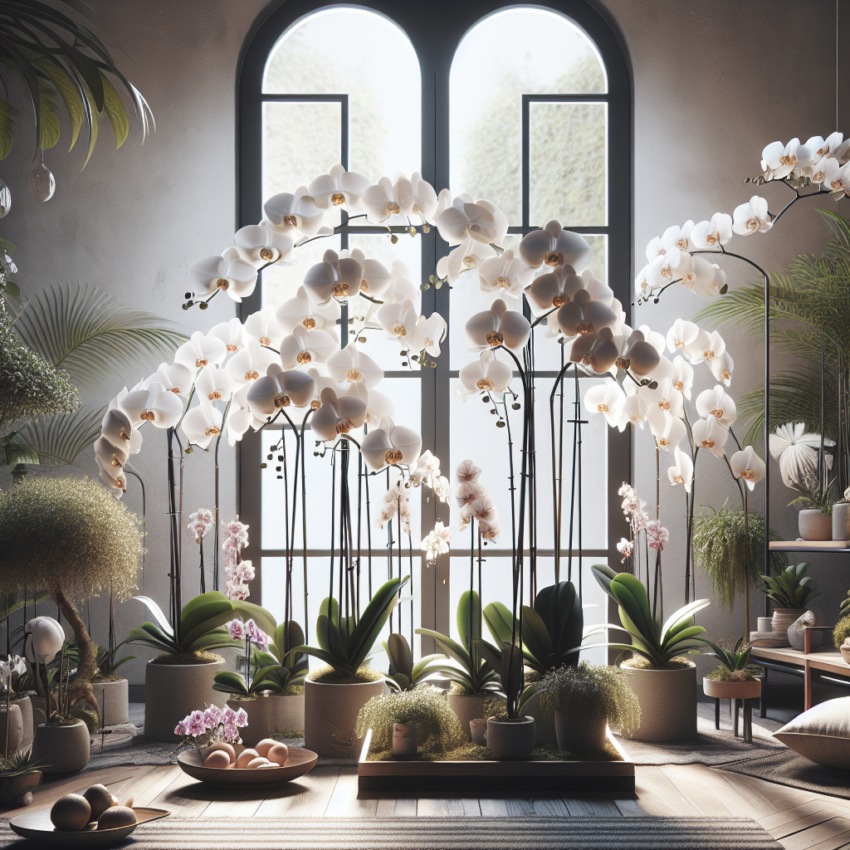
In the world of indoor gardening, orchids are a popular choice due to their stunning beauty and exotic allure. Understanding how to take care of orchids is essential for anyone looking to add these fascinating plants to their home. Although orchids might have a reputation for being difficult to maintain, with the right knowledge and practices, even novice gardeners can succeed in cultivating a thriving orchid garden.
How to Take Care of Orchids
Orchids come in many varieties, each with its unique needs. However, some general care guidelines apply to most orchids. Let’s delve into the essentials of watering, light, and temperature to help you ensure your orchids flourish.
Watering: Finding the Right Balance
Orchids thrive in environments that mimic their natural habitat. Typically, this means a humid atmosphere with occasional rainfall. Watering your orchid once a week is usually sufficient, though this can vary depending on your orchid’s species and the humidity level in your home. Ensure that the potting mix is allowed to dry out slightly between waterings to prevent root rot.
Light Requirements: Mimicking Natural Conditions
Light is crucial for the health of your orchids. They need indirect sunlight to bloom successfully. Too much direct sunlight can scorch the leaves, while insufficient light might prevent blooming. A north or east-facing window is often ideal. Alternatively, you can use sheer curtains to diffuse bright sunlight.
Temperature and Humidity: Creating a Tropical Environment
Orchids generally prefer warm temperatures during the day, around 70-85°F, and slightly cooler nights, around 60-70°F. Maintaining humidity levels between 40-70% can be beneficial. You can increase humidity by placing a water tray nearby or using a humidifier.
Potting Medium and Containers
Choosing the right potting medium and container is crucial for orchid health. Orchids typically thrive in bark-based mixes rather than soil or peat-based media. The container should allow for proper drainage and air circulation around the roots. Consider using a pot with drainage holes or a specially designed orchid pot.
Feeding Your Orchid: Proper Nutrition
To encourage growth and blooms, feed your orchids with a balanced orchid fertilizer. Apply a diluted fertilizer every two to four weeks during the growing season, typically spring through fall. Be cautious not to over-fertilize, as this can harm the plant.
Common Orchid Issues: Troubleshooting Tips
Orchids can face various challenges, from pests to diseases. Keep an eye out for common issues such as aphids, spider mites, and fungal infections. Regularly inspect your plants for any signs of distress like wilting or discolored leaves. Immediate action can prevent issues from worsening.
For pet owners, ensuring orchid care doesn’t negatively impact their furry friends is also important. You can learn more about balancing plant care and pet safety by exploring effective strategies for maintaining a pet-friendly environment.
Blooming and Maintenance
Encouraging Blooming
If your orchid isn’t blooming, consider adjusting its light exposure or reviewing its fertilization schedule. Additionally, orchids need a period of cooler temperatures to trigger blooms, so ensure they are exposed to cooler environments at night.
Repotting: When and How
Orchids should be repotted every one to two years, or when root crowding occurs. Choose a new pot that’s slightly larger than the current one. Repotting is best done after the plant has finished blooming to minimize stress.
Pruning and Deadheading
Regular pruning can encourage healthier growth. Remove any dead or diseased leaves, and trim back flower spikes once they fade. Deadheading spent blooms can also stimulate the plant to produce new buds.
With these tips, you can develop a comprehensive understanding of how to take care of orchids, ensuring they thrive in your indoor garden.
Takeaways
- Orchids require moderate light and warm temperatures with high humidity.
- Watering should be done weekly, allowing the medium to dry out slightly between waterings.
- Use a suitable bark-based potting medium for proper air and moisture control.
- Regular feeding during the growing season supports blooming.
- Monitor for pests and adjust care practices to address common orchid issues.
FAQs
How often should I water my orchids?
Water orchids about once a week, ensuring the potting medium dries slightly between waterings to prevent root rot.
Can I use regular potting soil for my orchids?
No, regular potting soil is too dense for orchids. Use a bark-based medium for better drainage and aeration.
Why won’t my orchid bloom?
Check light, temperature, and feeding conditions. Orchids need indirect light, cooler nighttime temperatures, and balanced fertilization to bloom.
Are orchids safe for pets?
Orchids are generally non-toxic to cats and dogs, but it’s best to keep plants out of reach to prevent any accidental ingestion.
Where can I find more information on orchid care?
You can learn more about orchid care from credible sources like the Orchidaceae page on Wikipedia for general knowledge and insights.