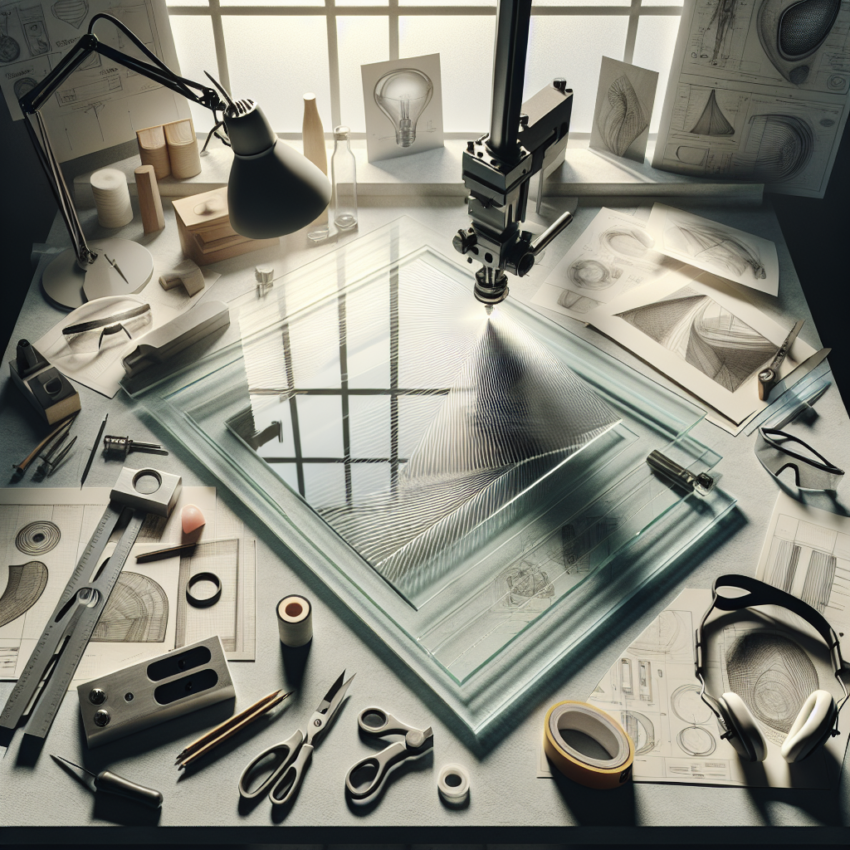
Cutting plexiglass can seem daunting, especially for DIY enthusiasts without prior experience. However, mastering the technique of how to cut plexiglass allows you to achieve professional results with precision and ease. Whether you’re working on a home improvement project or a craft, learning this skill can open up myriad possibilities.
How to Cut Plexiglass: Getting Started
Plexiglass, a type of acrylic, is a versatile and lightweight material that can be cut in various ways. For beginners, understanding the properties of plexiglass is crucial. It’s shatter-resistant compared to glass, making it a popular choice for DIY projects. However, its rigidity requires special attention to avoid cracking or chipping during cutting.
Essential Tools and Materials
Before you start, gather the necessary tools and materials. The choice of tool depends on the thickness of the plexiglass. Common tools include:
- Scoring knife: Best for sheets less than 1/4 inch thick.
- Jigsaw: Ideal for thicker sheets and curved cuts.
- Circular saw: Effective for cutting straight lines in thick plexiglass.
Ensure you also have protective equipment like safety goggles and gloves. A ruler or straightedge will help guide your cuts accurately. For more details on other material handling, you might find this article about ensuring safety and effectiveness insightful.
Step-by-Step Process for Cutting Plexiglass
Here’s a detailed guide on how to cut plexiglass to achieve clean cuts:
- Mark the Cutting Line: Use a non-permanent marker and a ruler to mark the line where you will cut.
- Secure the Sheet: Clamp the plexiglass onto a stable surface. This prevents movement and ensures precision.
- Score the Plexiglass: If using a scoring knife, apply consistent pressure and drag it across the line, repeating until it’s halfway through the sheet. Snap the glass by aligning the score with the edge of the table and applying pressure.
- Use Correct Tooling: For thicker sheets, use a jigsaw or circular saw. Ensure the saw blade is specifically designed for cutting plastics to reduce the risk of chipping.
- Smooth the Edges: After cutting, use sandpaper or a sanding block to smooth any rough edges.
Tips for Avoiding Common Mistakes
Here are some tips to ensure success when learning how to cut plexiglass:
- Always measure twice to ensure your cutting line is accurately placed.
- Choose the right blade designed for plastic to prevent chipping.
- Work slowly and steadily, allowing the tool to do the work without excess pressure.
- Keep the protective film on the plexiglass until the cutting process is complete to avoid scratches.
The Benefits of Using Plexiglass
Plexiglass is not only lightweight but also durable, making it ideal for projects that require optimal clarity and weather resistance. Its flexibility allows for creative freedom, whether in crafting, home decor, or protective barriers. Furthermore, with proper cutting techniques, the end result can be visually striking and long-lasting.
Safety Considerations
When cutting plexiglass, safety is paramount. Always wear protective goggles to shield your eyes from debris and gloves to protect your hands from sharp edges. Ensure your work area is well-ventilated, especially if using powered tools, as they can generate fine dust that might be harmful when inhaled.
Choosing the Right Plexiglass for Your Project
The type of plexiglass you choose depends on its intended use. For intricate designs, thinner sheets offer more flexibility, while thicker sheets provide added strength and durability for structural applications. It’s beneficial to consult with a supplier to determine the appropriate thickness and type of plexiglass for your specific needs. For more information about the properties and applications of plexiglass, visit our external resource on Wikipedia.
Final Thoughts on Mastering Plexiglass Cutting
By understanding how to cut plexiglass effectively, you empower yourself to take on a variety of creative projects. With the right tools and techniques, you can achieve clean, precise cuts that enhance the aesthetics and functionality of your work. This mastery not only enriches your DIY repertoire but also provides satisfaction and potential cost savings.
- Plexiglass is a versatile and durable material ideal for various projects.
- Choosing the right tools is key to achieving clean cuts.
- Safety practices are crucial during the cutting process.
- Correct techniques prevent damage and ensure professional results.
- Experiment with different thicknesses and types to suit your project needs.
FAQs
Can I score and snap plexiglass by myself?
Yes, using a scoring knife works well for sheets less than 1/4 inch thick. Score halfway through and apply firm pressure to snap.
What is the best tool for cutting thicker plexiglass?
A jigsaw or circular saw is ideal for cutting thicker sheets. Ensure the blade is suitable for plastic to avoid chipping.
How can I smooth rough edges after cutting?
Sandpaper or a sanding block can be used to smooth the edges after cutting. This prevents injury and improves appearance.
Is plexiglass safe to work with?
Yes, plexiglass is safe when proper safety procedures are followed, including eye and hand protection and adequate ventilation.
Where can I find more information about plexiglass projects?
Online resources and DIY forums offer valuable information and inspiration for plexiglass projects. Always start with reputable sources for the best guidance.