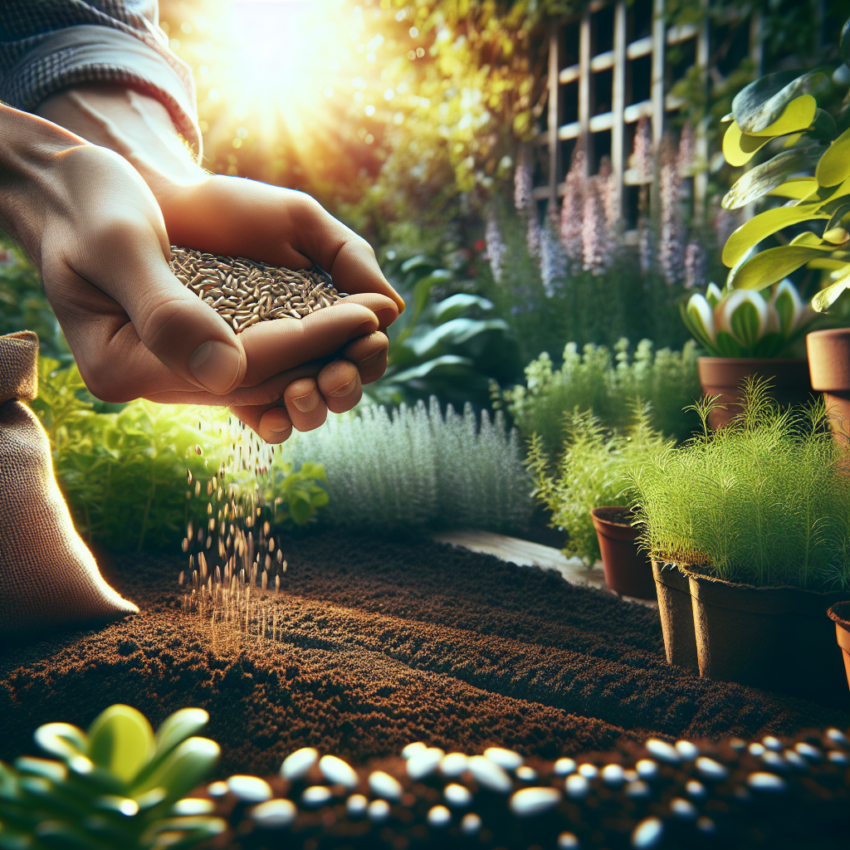
When it comes to cultivating a thriving garden, mastering the art of sowing is key. Sowing, the process of planting seeds in the ground, is an essential skill for gardeners aiming to create a lush, vibrant outdoor space. Whether you’re working with flowers, vegetables, or herbs, understanding the techniques of sowing can significantly impact the success of your garden. Let’s dive into the various methods and practices that can transform your backyard into a flourishing haven.
The Essentials of Sowing
Sowing is the crucial first step in garden development, setting the stage for healthy growth and abundant harvest. To start, it’s important to select the right seeds for your climate and soil type. Once you’ve chosen your seeds, prepare your soil by removing weeds and stones. You can enrich the soil with compost to provide nutrients that will support the young plants.
Before sowing, consider whether direct sowing or starting seeds indoors is best for your plants. While direct sowing involves planting seeds directly in the ground, starting seeds indoors can protect young seedlings from harsh weather conditions and pests. Each method has its own advantages, and your choice will depend on the specific needs of your plants and your local environment.
Direct Sowing Techniques
Direct sowing is often favored for plants that do not transplant well, such as root vegetables like carrots and radishes. To begin, use a hoe to create rows or patches in your prepared soil. Follow the seed packet instructions for the appropriate depth and spacing. Gently water the newly sown area, keeping it moist until the seeds germinate.
For those new to gardening, it may be helpful to mark where you’ve sown seeds with small stakes or labels. This makes it easier to differentiate emerging seedlings from weeds.
Starting Seeds Indoors
If you choose to start your seeds indoors, you’ll need containers, a seed-starting mix, and adequate lighting. Fill your containers with the mix, then plant seeds at the recommended depth. Place the containers in a warm area with plenty of natural light or under grow lights.
Once seedlings appear, ensure they receive consistent moisture and gradually acclimate them to outdoor conditions before transplanting. This process, known as hardening off, typically involves exposing seedlings to outdoor conditions for increasing amounts of time over a week or two.
Sowing for Success: Tips and Tricks
Timing is crucial when it comes to sowing. Many gardeners follow a planting calendar, sowing seeds when the soil temperature is right and after the last expected frost date in their region. This information can often be found in local gardening guides or extension services.
Regular watering is just as important. Seeds and seedlings require consistent moisture, especially during the germination period. However, avoid overwatering, which can lead to rot or fungal diseases.
Additionally, consider using irrigation systems to ensure even moisture distribution without excessive labor.
Common Sowing Mistakes to Avoid
One common mistake is planting seeds too deeply, which can prevent germination. Always follow the seed packet instructions for depth. Another is overcrowding, which leads to competition for resources among seedlings. Proper spacing will ensure that each plant has enough sunlight, nutrients, and room to grow.
It’s also important to regularly thin seedlings if necessary. This involves removing weaker plants to allow healthier ones to flourish.
Understanding Plant Needs
Different types of plants have unique requirements. For example, some flowers prefer partial shade, while most vegetables thrive in full sun. Conducting a soil test can provide insights into pH and nutrient levels, guiding your fertilization decisions. Consult reliable resources, such as the Health Wikipedia page, for additional gardening guidance.
The Final Steps of Sowing
Once your plants are established through proper sowing techniques, consistent care will ensure their health and productivity. This includes regular weeding, pest monitoring, and the possible application of organic fertilizers to enhance growth.
With dedication and practice, sowing can turn your garden into a lush, nourishing space. By understanding the essentials and avoiding common pitfalls, you pave the way for successful gardening ventures.
Benefits of Mastering Sowing
Mastering sowing not only enhances the aesthetic appeal of your yard but can also provide a sense of accomplishment and an abundance of fresh produce. By following the guidance above, you’ll be well on your way to cultivating a successful garden.
- Choose the right seeds and prepare your soil properly for successful sowing.
- Decide between direct sowing or starting seeds indoors, depending on your plant’s needs.
- Practice consistent watering and avoid overcrowding your seedlings.
- Use available resources for optimal gardening strategies and problem-solving.
- Conduct soil tests to tailor your approach to your garden’s specific needs.
FAQ
What is the best time for sowing seeds?
The best time for sowing depends on your local climate and the type of plant. Generally, seeds should be sown after the last frost date when the soil temperature is suitable for germination.
How should I water newly sown seeds?
Water gently to keep the soil consistently moist, but avoid waterlogging, which can hamper seed germination. Continue watering regularly as seedlings develop.
What should I do if my seedlings are too crowded?
If seedlings are crowded, thin them out by removing weaker plants. This provides space and resources for stronger seedlings to grow.
Can I sow seeds directly into clay soil?
Clay soil can be challenging for seed growth. Amend it with organic matter to improve drainage and structure before sowing. Alternatively, consider raised beds with amended soil.
How do I protect my seedlings from pests?
To protect seedlings, use physical barriers like row covers or natural deterrents such as neem oil. Regular monitoring and maintenance can help manage pest issues early.