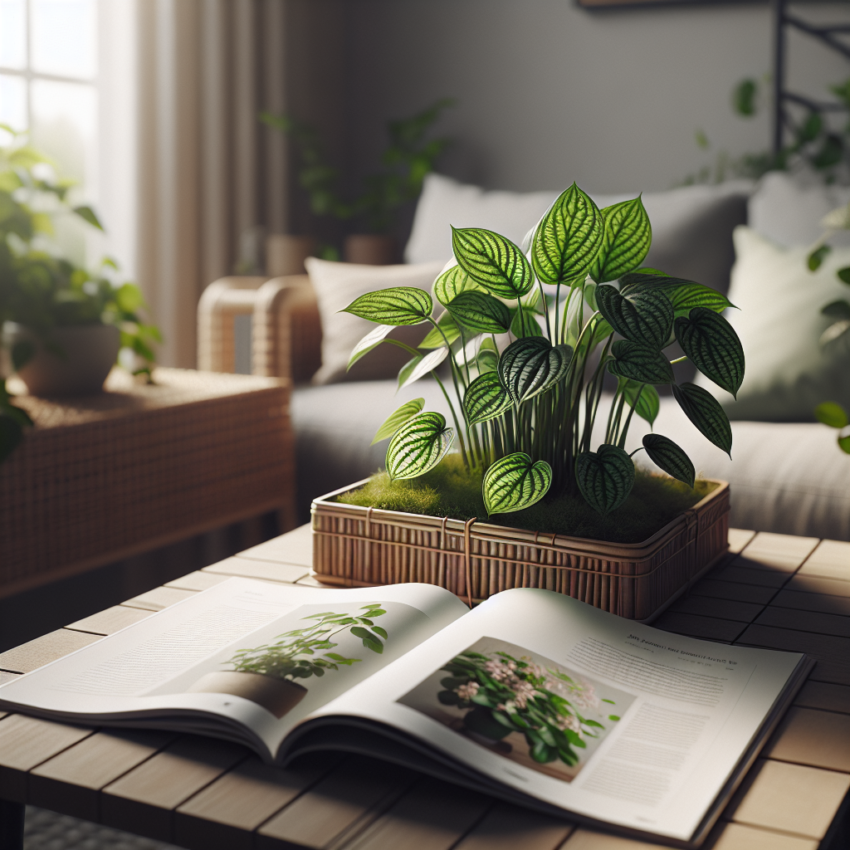
If you’re looking to add a lush touch to your indoor garden, the peperomia plant is an excellent choice. Known for its vibrant foliage and diverse varieties, this plant is perfect for both novice and experienced gardeners. Peperomia plants are not only aesthetically pleasing but also relatively low maintenance, making them a popular choice for indoor plant enthusiasts.
Understanding the Peperomia Plant
Peperomia plants belong to the Piperaceae family and are native to tropical and subtropical regions. With over 1,000 varieties, these plants can vary significantly in appearance, with leaves ranging from bright green to deep maroon. Despite their diversity, they share common care requirements that make them universally appreciated by plant lovers.
Light Requirements for Peperomia Plants
Peperomia plants thrive in bright, indirect light. While they can tolerate lower light levels, insufficient light can lead to leggy growth and dull foliage. Place your peperomia near a window with filtered sunlight to maintain healthy, vibrant leaves.
Watering Guidelines
One of the key aspects of caring for a peperomia is not to overwater it. These plants are somewhat drought-tolerant, so it’s best to allow the top inch of soil to dry before watering again. Overwatering can lead to root rot, which is the most common issue faced by peperomias. Ensure your pot has good drainage to prevent water from accumulating at the bottom.
Optimal Soil and Potting
Peperomia plants prefer a well-draining potting mix to prevent waterlogging. A blend of peat moss and perlite or orchid bark is ideal for these plants. Since they don’t have a deep root system, they don’t require large pots, making them a versatile option for small spaces.
Humidity and Temperature Needs
Originating from tropical climates, peperomias enjoy a warm, humid environment. They thrive in temperatures between 65°F and 80°F. Increasing humidity by placing the plant on a pebble tray with water or using a humidifier can promote healthier growth, especially during the dry winter months.
Fertilization Practices
Fertilize your peperomia plant monthly during the growing season (spring and summer) with a balanced, water-soluble fertilizer. Over-fertilizing can harm the plant, causing leaf burn and other issues, so it is vital to adhere to the fertilizer’s instructions.
Common Pests and Problems
Peperomia plants are generally resistant to pests, but you may occasionally encounter mealybugs and spider mites. Regularly inspecting your plant and cleaning the leaves can help prevent these pests. In case of infestation, gentle wiping with a soapy water solution can effectively remove the pests without harming the plant.
Repotting Your Peperomia Plant
Although peperomias don’t require frequent repotting, it’s beneficial to change the soil every couple of years to maintain its health. When repotting, opt for a container that is slightly larger than the current one and ensure the new soil matches the recommended composition.
Propagation Tips
Peperomias are easy to propagate, making it simple to expand your collection or share with friends. You can propagate them through leaf or stem cuttings. Simply place the cutting in water or soil, and within a few weeks, roots will begin to develop. This process is not only satisfying but also an excellent way to ensure you always have healthy backups of your beloved plants.
Creating a Complementary Indoor Garden
Pair your peperomia plant with other plants that have similar light and water requirements for a cohesive indoor garden. Consider combining them with other tropical plants like pothos or philodendrons for a vibrant, lush display. For more tips on combining natural elements in your home, read our article on harnessing natural elements for wellness.
In summary, the peperomia plant is a resilient addition to any indoor space. By providing the right light, water, and care, you can enjoy its beautiful foliage year-round. For more extensive information on indoor plants and gardening, consider exploring resources like this Wikipedia page on houseplants.
- Peperomia plants are versatile and low-maintenance, making them great for indoor gardens.
- Bright, indirect light and well-draining soil are key to healthy growth.
- Avoid overwatering to prevent root rot.
- Support healthy growth with seasonal fertilizing and adequate humidity.
- Propagation is straightforward, offering a way to multiply your collection easily.
How much light does a peperomia plant need?
Peperomias require bright but indirect sunlight to flourish. Direct sunlight can scorch the leaves, while too little light can result in leggy growth.
Is it okay to mist peperomia plants?
Misting can help increase humidity, which is beneficial for peperomias, especially in dry climates. However, avoid direct misting on the leaves to prevent bacterial and fungal issues.
What should I do if my peperomia leaves are dropping?
If you notice leaf drop, it could be due to overwatering or sudden temperature changes. Check your watering habits and ensure the plant is in an environment with stable temperatures.
Can peperomia plants grow in low light?
While they can tolerate lower light conditions, peperomias prefer bright, filtered light to maintain vibrant foliage and compact growth.
How often should I repot my peperomia plant?
Repotting every 2-3 years is generally sufficient unless you notice significant root growth or soil depletion. Use fresh, well-draining soil to ensure the plant stays healthy.