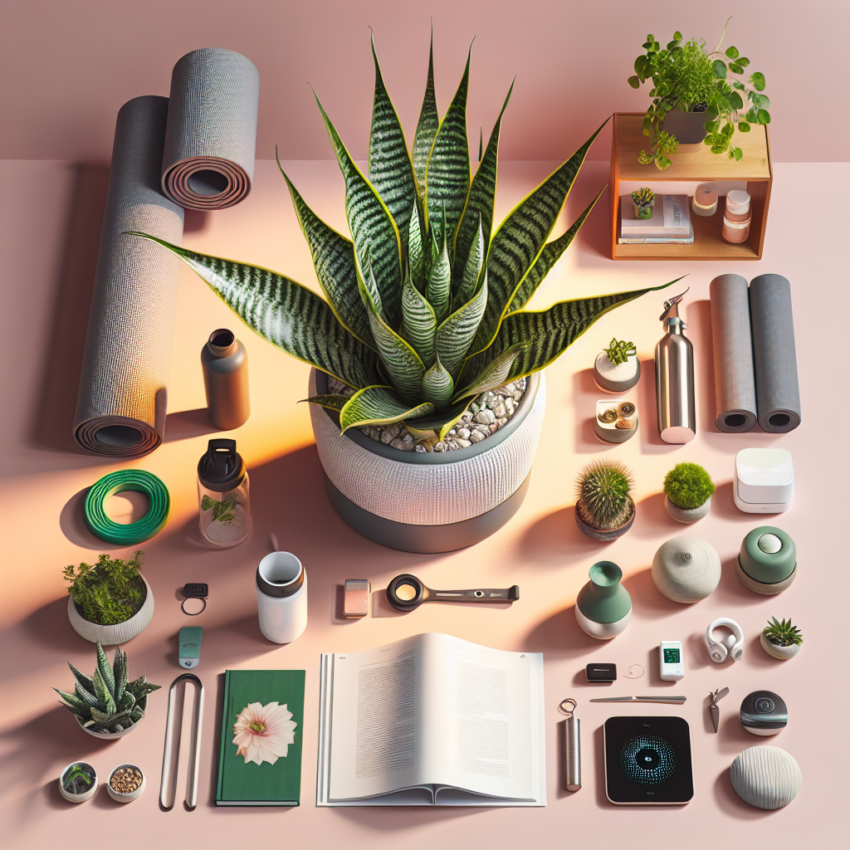
The beautiful and unique rattlesnake plant, known for its striking leaf pattern and vibrant foliage, has become a popular choice for indoor gardeners looking to create a lush indoor oasis. With its wavy leaves and intricate designs resembling that of a rattlesnake’s skin, this captivating plant can instantly add a touch of the exotic to any room. But to truly thrive and showcase its vivid colors, the rattlesnake plant requires specific care and attention.
Understanding the Rattlesnake Plant
Native to the tropical climates of Brazil, the rattlesnake plant, also known as rattlesnake calathea, belongs to the Marantaceae family. It thrives in environments that mimic its natural habitat. This means providing the plant with warm temperatures, high humidity, and indirect, filtered light. Such conditions are crucial for the health of the rattlesnake plant, allowing it to develop its striking leaf patterns and maintain its vibrant colors.
Light Requirements
The rattlesnake plant prefers indirect and filtered light to thrive. Direct sunlight can cause the leaves to bleach or develop sunburn spots. Ideally, place your plant near a window with sheer curtains or in a well-lit room that doesn’t receive too much direct light. If natural light is inadequate, consider enhancing the lighting conditions with artificial grow lights to ensure your plant’s health.
Watering Guidelines
A key aspect of rattlesnake plant care involves proper watering. These plants prefer moist soil but are sensitive to overwatering. Water your plant when the top inch of soil feels dry to the touch. Using distilled or rainwater is ideal since tap water can lead to mineral buildup and damage the leaves over time. Ensuring that excess water drains properly is crucial to preventing root rot.
Soil and Potting Needs
Rattlesnake plants do best in a well-draining potting mix that retains some moisture. A peat-based soil mix with added perlite or orchid bark can help achieve the right balance. Choosing a pot with drainage holes is vital to prevent water stagnation. Repotting every two years can help refresh the soil nutrients and give the plant room to grow.
Humidity and Temperature
Being native to tropical environments, the rattlesnake plant thrives in high humidity. Aim for humidity levels above 50%, which can be achieved by using a humidifier or by setting up a pebble tray with water. Snug-fitting in temperatures between 65°F and 80°F, the plant should be kept away from drafts and sudden temperature changes to avoid stress.
Fertilizing Practices
During the growing season, typically in spring and summer, apply a balanced houseplant fertilizer every month to support healthy growth. Diluting the fertilizer to half strength can prevent excess buildup and potential damage to the plant’s roots. Avoid fertilizing in the fall and winter months when the plant’s growth naturally slows.
Maintaining Your Rattlesnake Plant
Maintenance is key for a healthy rattlesnake plant. Regularly clean the leaves to remove dust and allow photosynthesis to occur efficiently. This not only keeps your plant looking its best but also reduces the risk of pests. Pruning any damaged or yellowing leaves will help direct the plant’s energy towards new growth.
Dealing with Pests
Common pests such as spider mites and mealybugs can affect rattlesnake plants. Regularly inspect your plant for signs of infestation, which can include webbing, sticky residue, or discolored patches. If pests are detected, treat the plant with insecticidal soap or neem oil, and ensure isolation from other plants to prevent the spread.
Creating a vibrant indoor oasis is achievable by carefully integrating plants like the rattlesnake calathea into your home design. For ideas on how to use plants and other decor items to enhance your space, consider exploring the delight of decorating with vintage maps.
As with any plant care routine, understanding the needs of your rattlesnake plant will set you up for success. By providing the right conditions, you can enjoy the vibrant display of colorful foliage that this captivating plant is known for. For more detailed information on plant care, you might find this Wikipedia article on health informative as a resource for overall well-being.
Takeaways
- Rattlesnake plants require indirect light and high humidity.
- Water when the top inch of soil is dry, avoiding overwatering.
- Maintain temperatures between 65°F and 80°F, free from drafts.
- Fertilize monthly during the growing season with a diluted solution.
- Regularly check for pests and prune damaged leaves.
FAQs
How often should I water my rattlesnake plant?
Water your rattlesnake plant when the top inch of soil feels dry. Ensuring the pot drains well is crucial to prevent root rot.
What lighting conditions are best for the rattlesnake plant?
Rattlesnake plants thrive in indirect, filtered light. Too much direct sunlight can damage their leaves.
What can I do to maintain high humidity for my plant?
Use a humidifier or a pebble tray with water to create a humid environment. Grouping plants together can also help increase humidity.
Should I repot my rattlesnake plant regularly?
Repot every two years with fresh potting mix to provide new nutrients and space for growth.
How can I address a pest infestation on my plant?
Inspect the plant regularly and treat with insecticidal soap or neem oil if pests are detected.